Custom landscaping and hardscape solutions designed to enhance your property, increase value, and create spaces you actually use.
Project Timelines and Curing Expectations
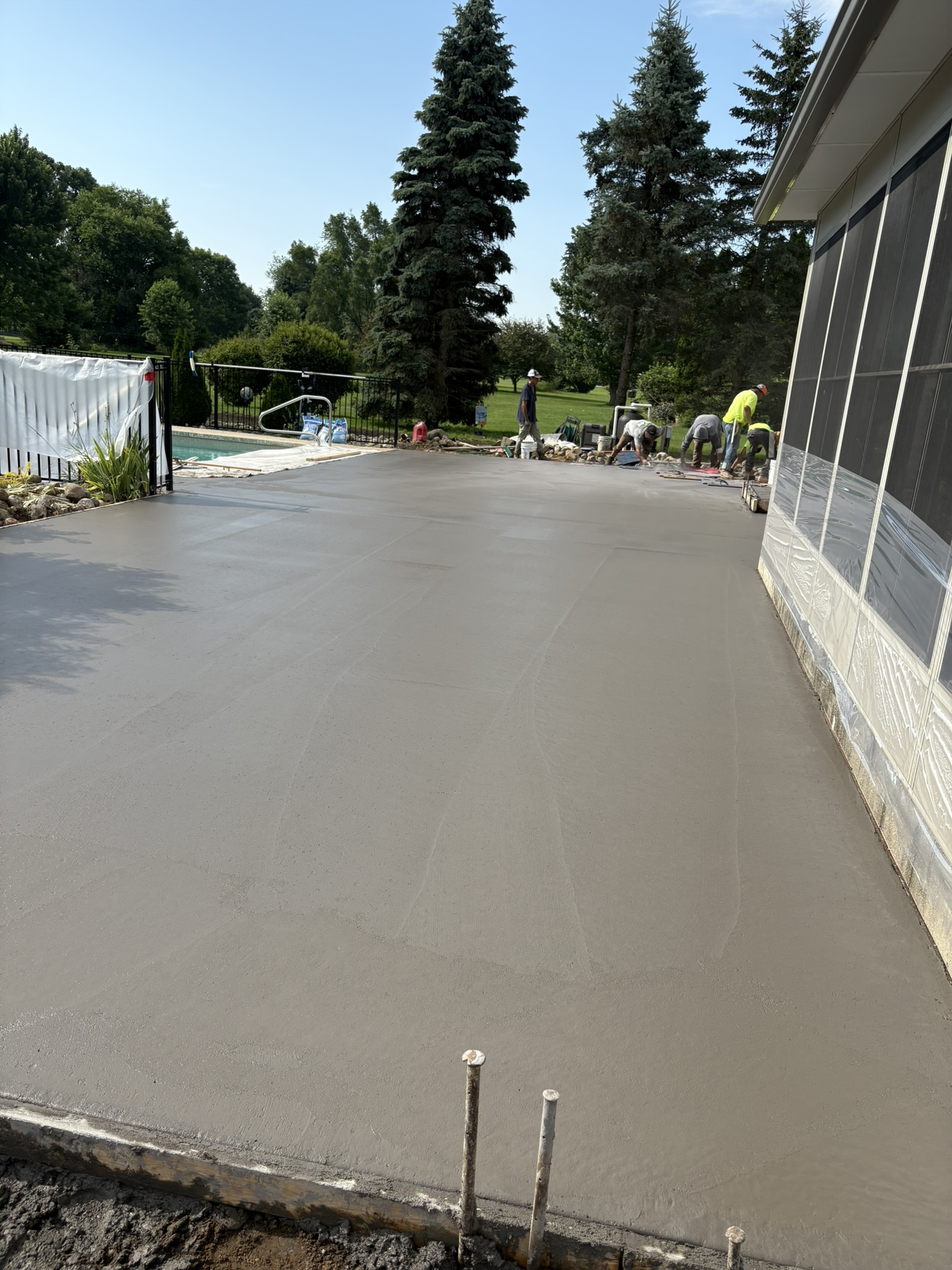
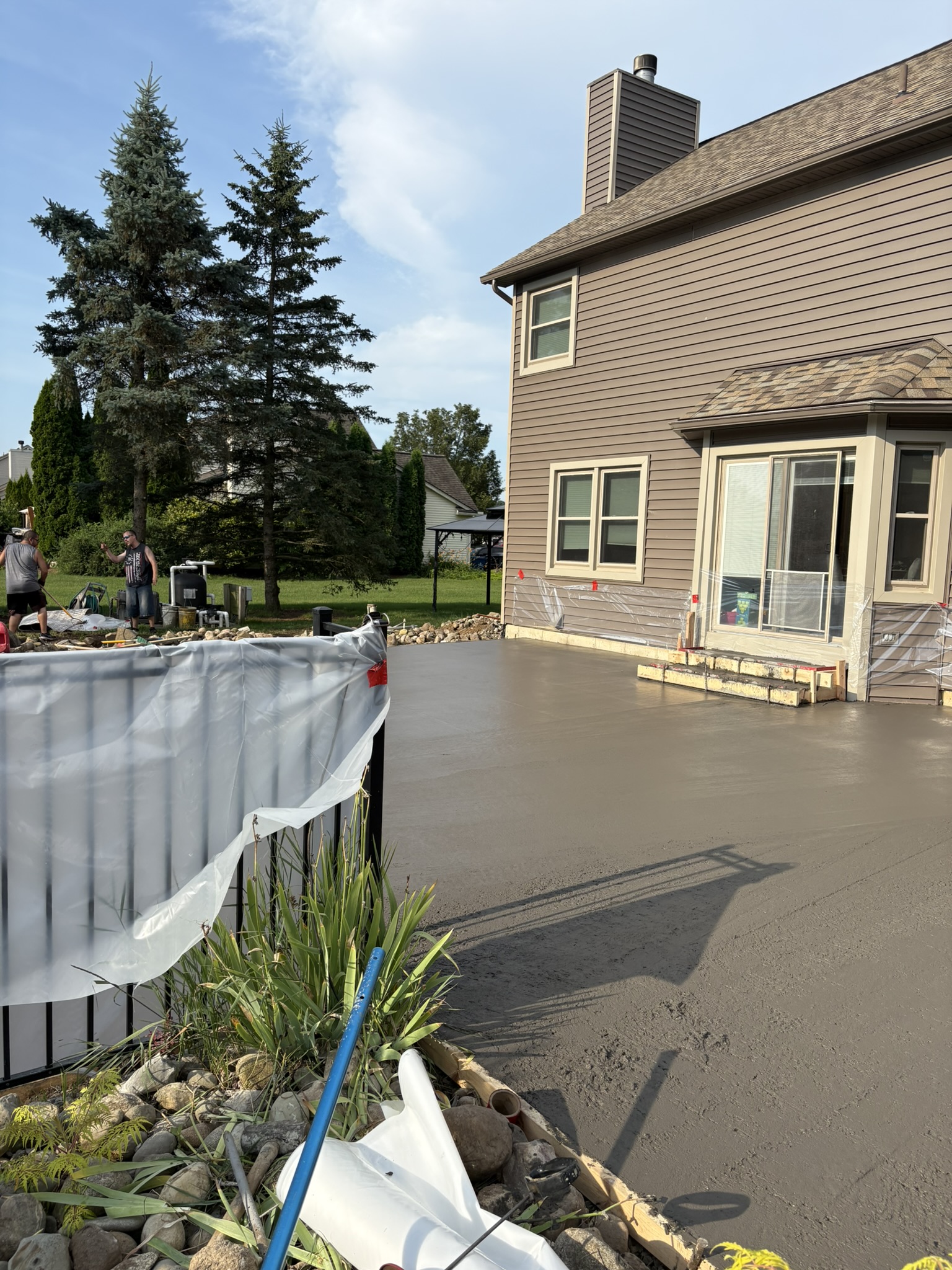
When working with professional concrete contractors in Royal Oak, MI, clients deserve clarity on how long each phase of a concrete project truly takes.At Black Pearl Landscaping & Concrete Services, timelines are engineered around structural integrity – not shortcuts. Most residential pours begin with one to two days of excavation and base preparation. Following this, we dedicate a full day to setting up reinforced forms and completing final layout checks. Once poured, concrete enters its critical curing phase. While surfaces may be walkable within 24to 48 hours, heavy loads and vehicle traffic should be avoided for at least seven days. Full curing continues for up to 28 days, during which the slab gains strength, resists cracking and stabilizes against Michigan’s freeze–thaw cycles. Commercial projects or decorative installations may require extended curing windows, especially when color hardeners, stamping or sealants are applied. This disciplined approach ensures each project performs as intended for decades.
Maintenance and Seasonal Care
Long-term durability depends on proper maintenance, especially in a climate like Royal Oak, MI. Concrete should be sealed every one to three years to protect against moisture intrusion, deicing chemicals and surface wear. During winter, avoid salt-based deicers that accelerate surface breakdown; instead, use calcium magnesium acetate or sand for traction. In spring, inspect expansion joints, drainage paths and any areas exposed to heavy runoff. Hairline cracks should be addressed early to prevent water penetration and freeze-related expansion. For decorative surfaces, gentle cleaning and periodic resealing preserve color depth and texture. A well-maintained slab not only looks better but also performs better—reducing long-term repair costs and extending the life of your investment with a trusted concrete company.
Schedule a consultation with Black Pearl Landscaping & Concrete Services to discuss timelines, design options and long-term performance strategies tailored to your property.
Building for the Michigan Climate
Winters in the Midwest take a toll on outdoor surfaces. Concrete expands and contracts as temperatures fluctuate, leading to surface cracks if the installation isn't handled correctly.At Black Pearl Landscaping, we build hardscapes specifically to survive this harsh climate.
Our crews focus on proper subgrade compaction and precise reinforcement spacing. By using strategic control joints, we give the slab room to move naturally. This approach preserves the look and structural integrity of your investment for years
LEARN MORE
Advanced Water Management Solutions
A durable patio relies heavily on what happens underneath it. Standing water can wash out the soil foundation and cause settling over time.As an experienced concrete company, we make sure surface water flows away from your home. We handle all the necessary drainage work directly during the hardscape installation. Whether that means adjusting the slope grade or installing channel drains, we keep water away from your foundation to prevent long-term soil erosion.
LEARN MORE
Commercial and HOA Hardscaping
Large-scale properties have very different requirements than a residential backyard. Homeowners associations and commercial property managers need reliable concrete contractors who understand strict compliance codes.
We take on high-volume public walkways and ADA-compliant entryways. Our teams also build heavy-duty parking surfaces designed for constant use.
We understand that commercial construction can impact daily operations. That is why we work within your institutional timelines to deliver environments that handle heavy foot traffic without requiring continuous repairs or prolonged closures.
LEARN MORE
Site Development and Preparation
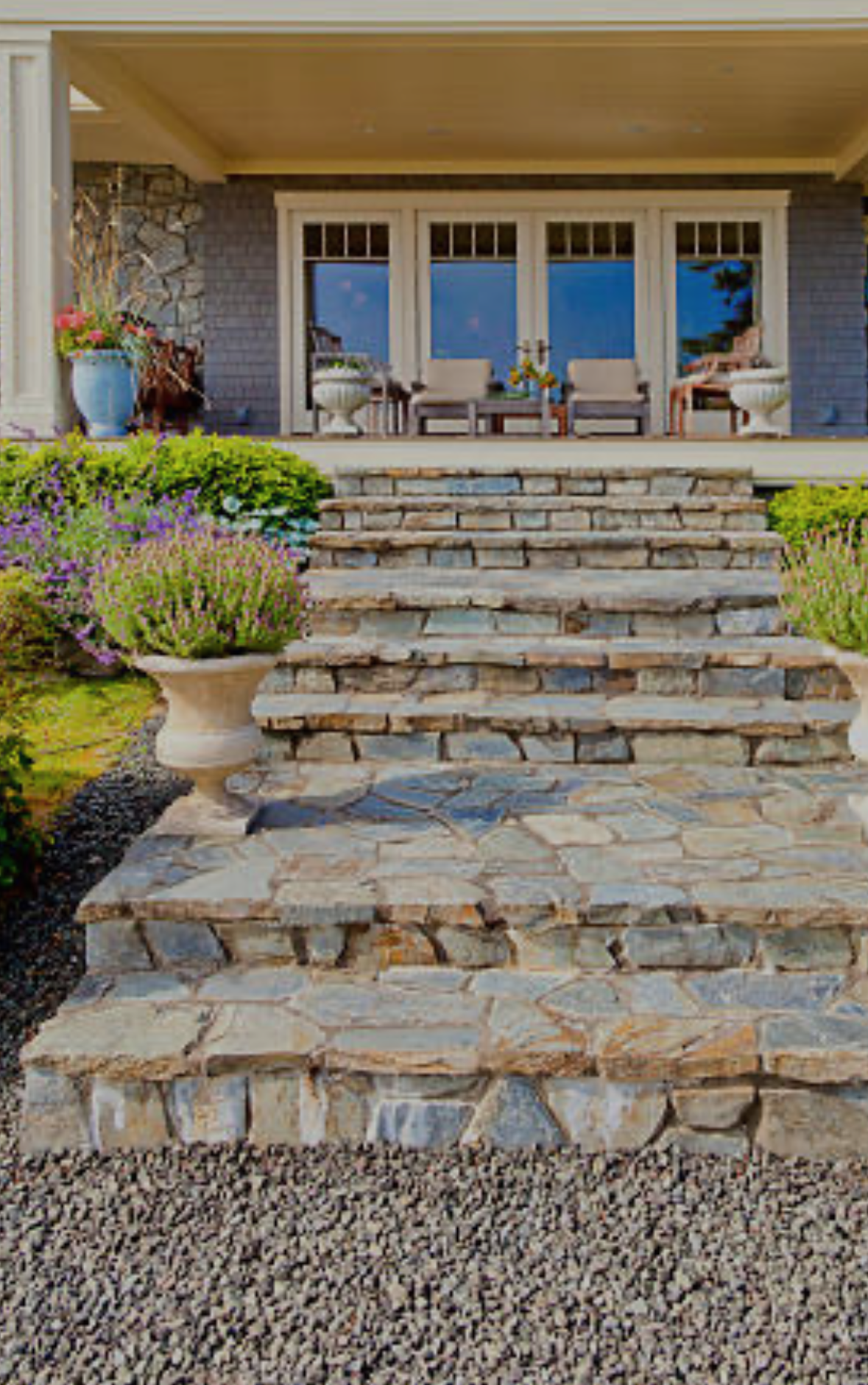
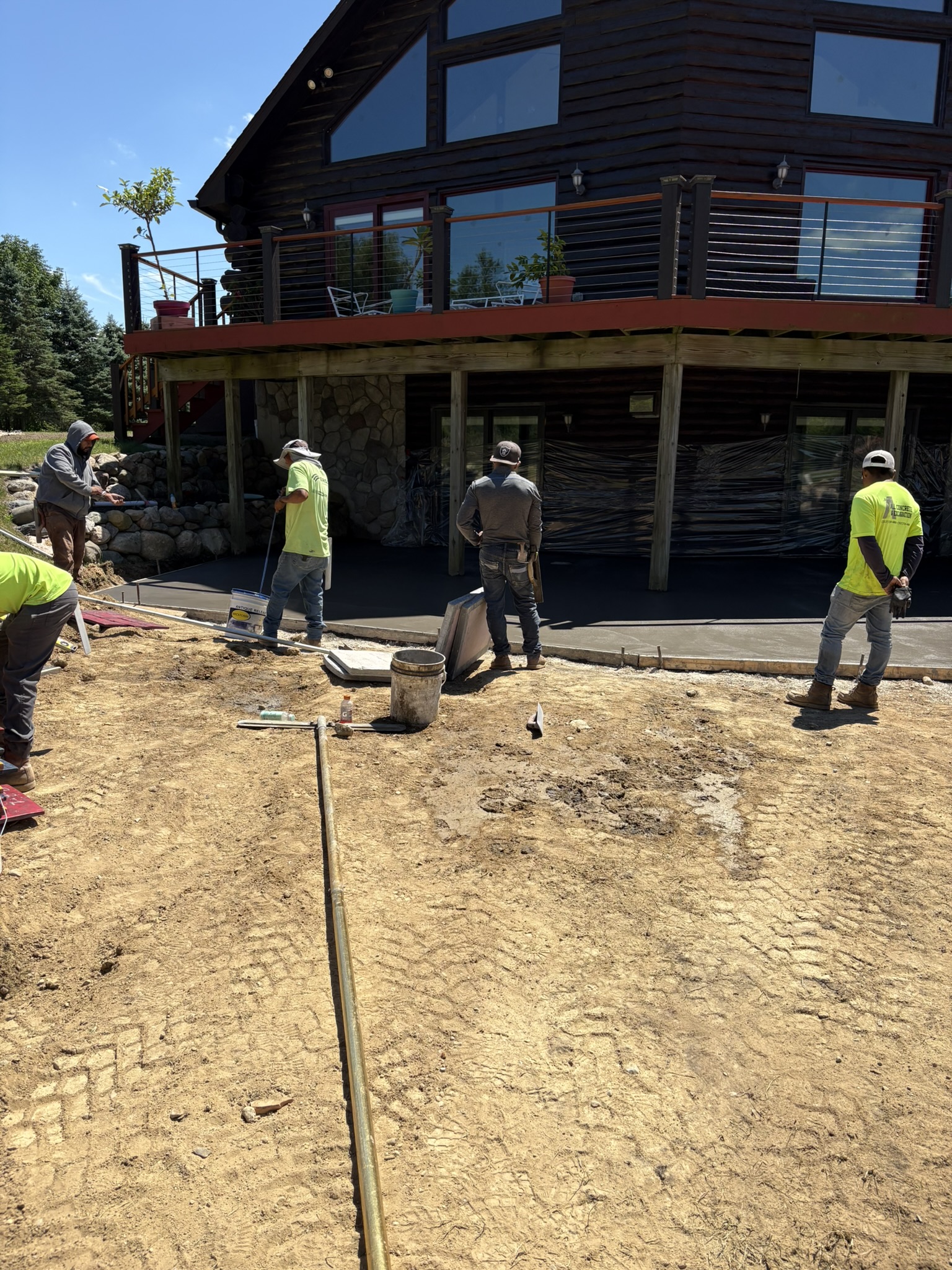
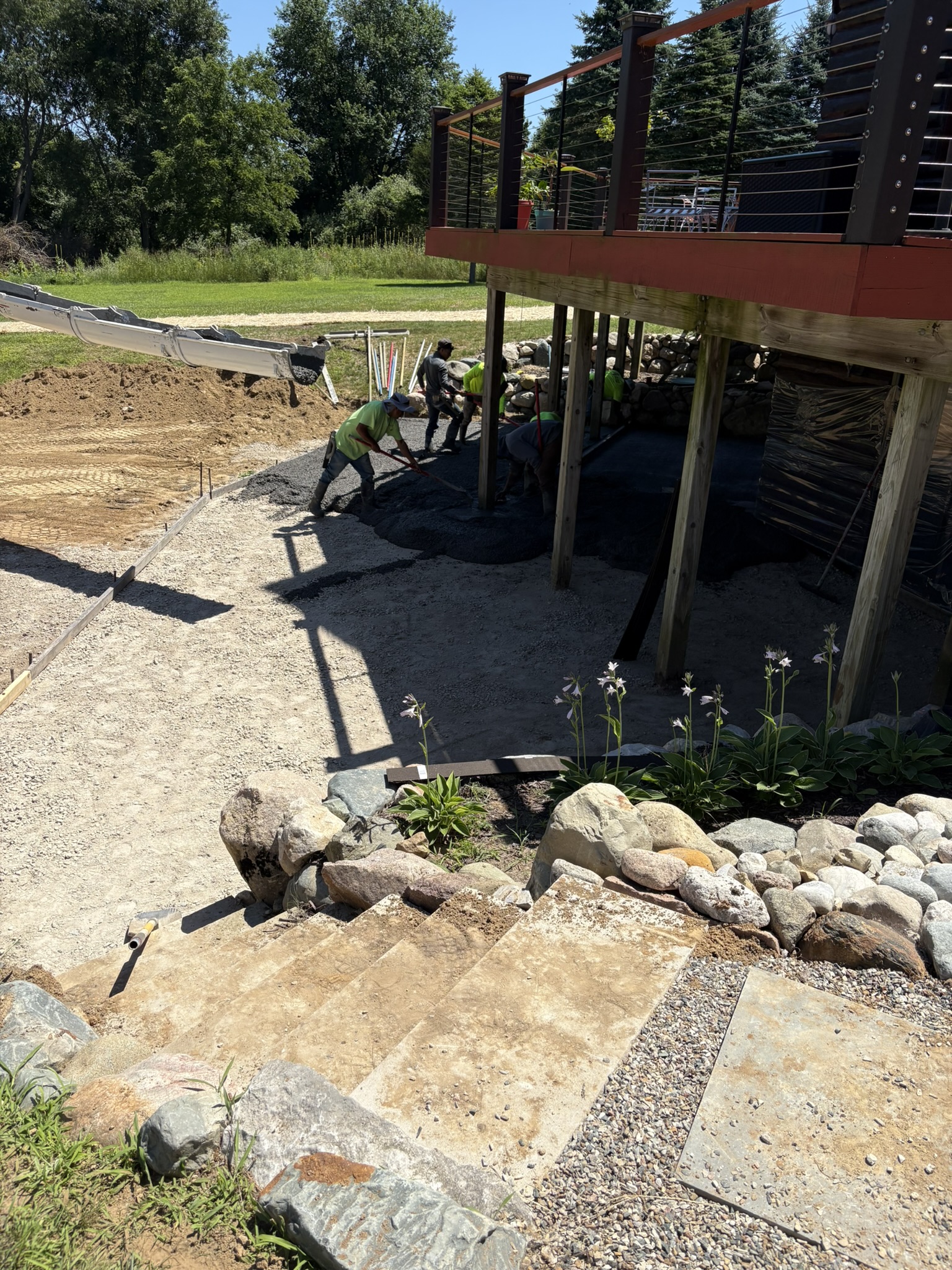
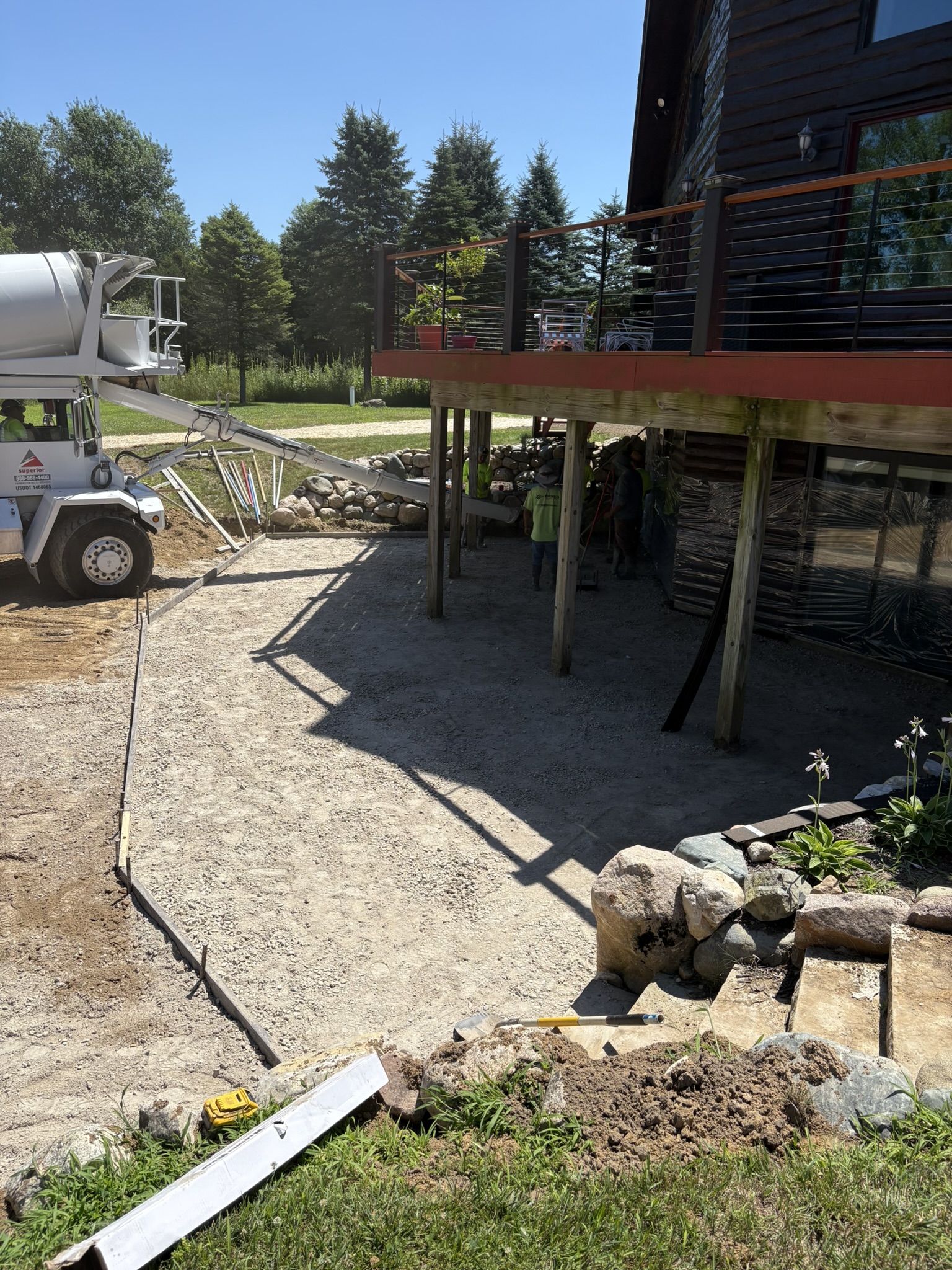
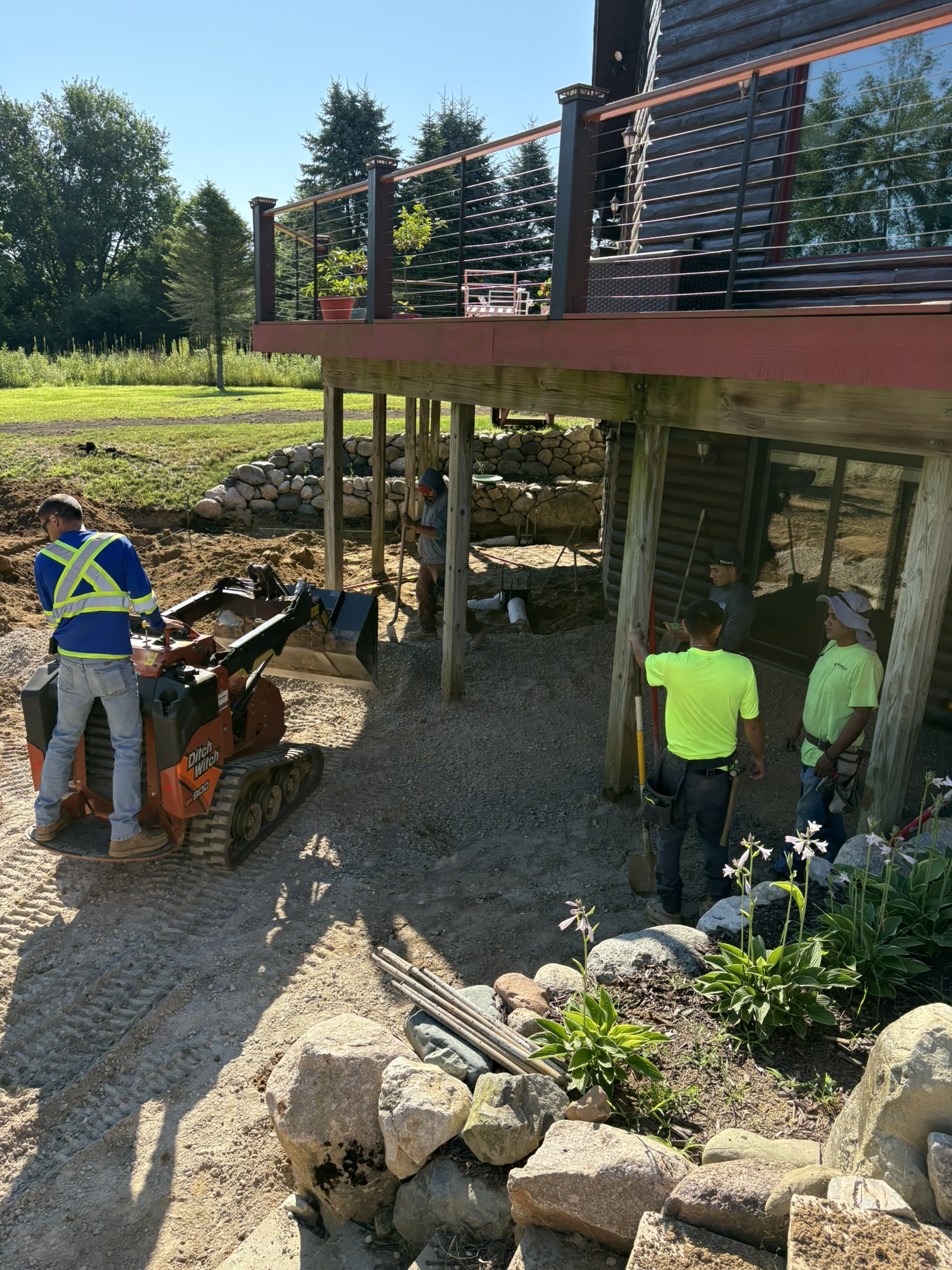
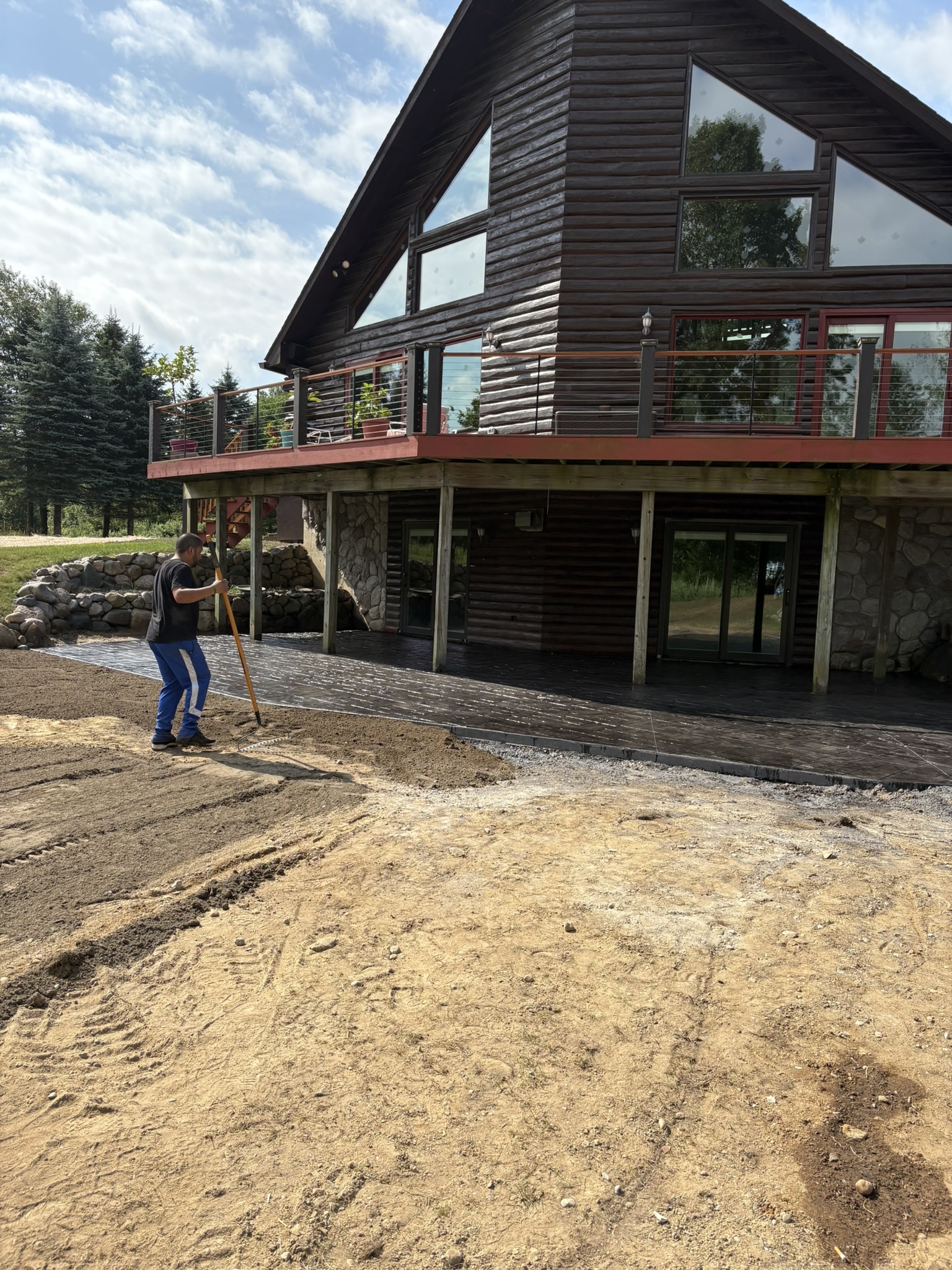
Preparing a site is the most critical phase before any pouring begins. We manage the entire excavation process, from clearing the land to establishing the final grade. Moving heavy earth allows us to integrate structural retaining walls seamlessly into the natural surroundings.
Proudly serving Royal Oak, MI, and surrounding areas, our crews bridge the gap between raw dirt and a highly functional outdoor space. We ensure every base is perfectly prepped so the final product stands the test of time.
Ready to upgrade your property with a structurally sound hardscape? Give our team a call to schedule your consultation today.
LEARN MORE
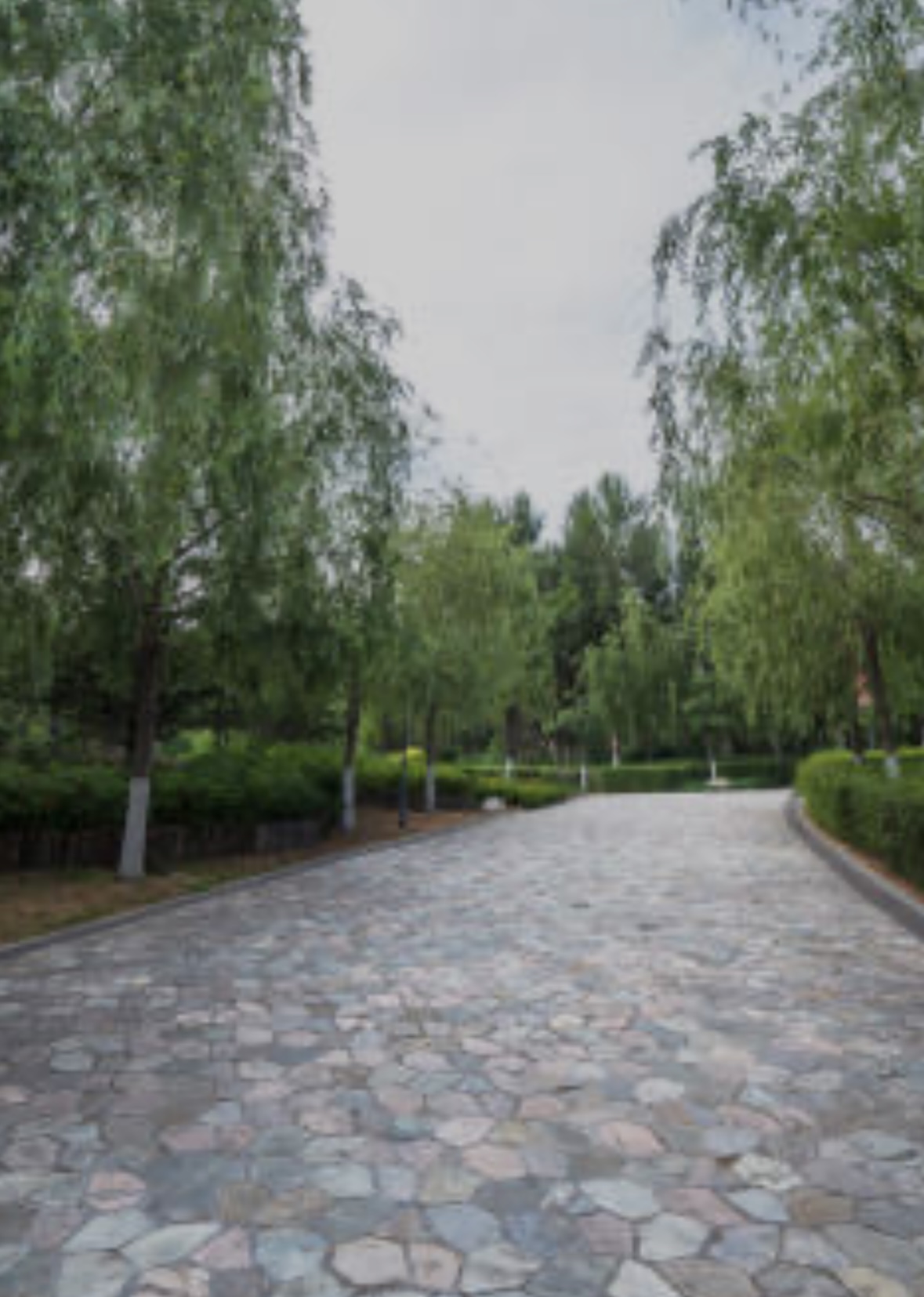
Exposed Aggregate Concrete
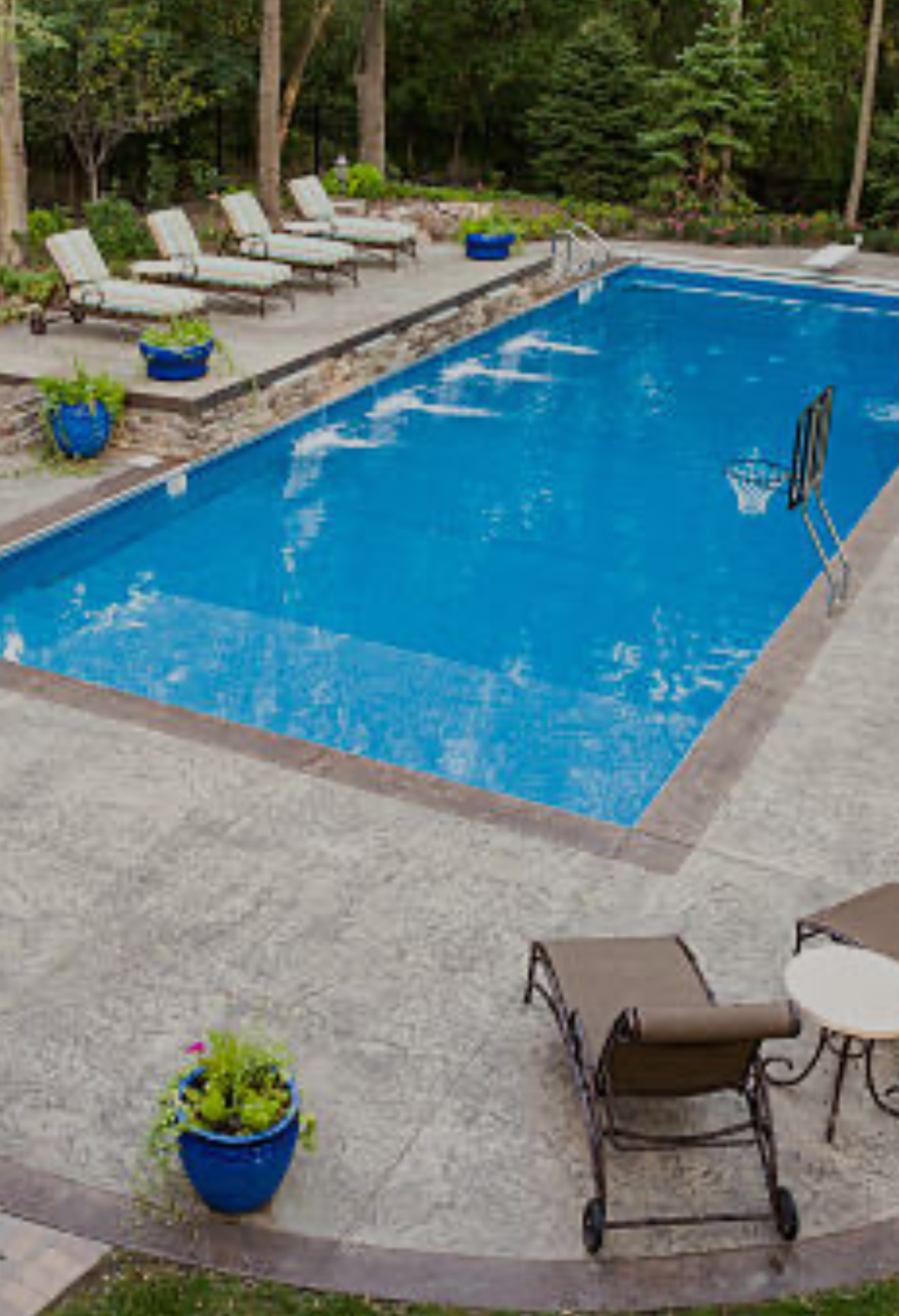
Exposed aggregate concrete is a decorative and rugged surface finish achieved by removing the top layer of cement paste after the concrete is laid, thereby revealing the embedded aggregates—such as pebbles, gravel, natural stones, or even glass and shells.
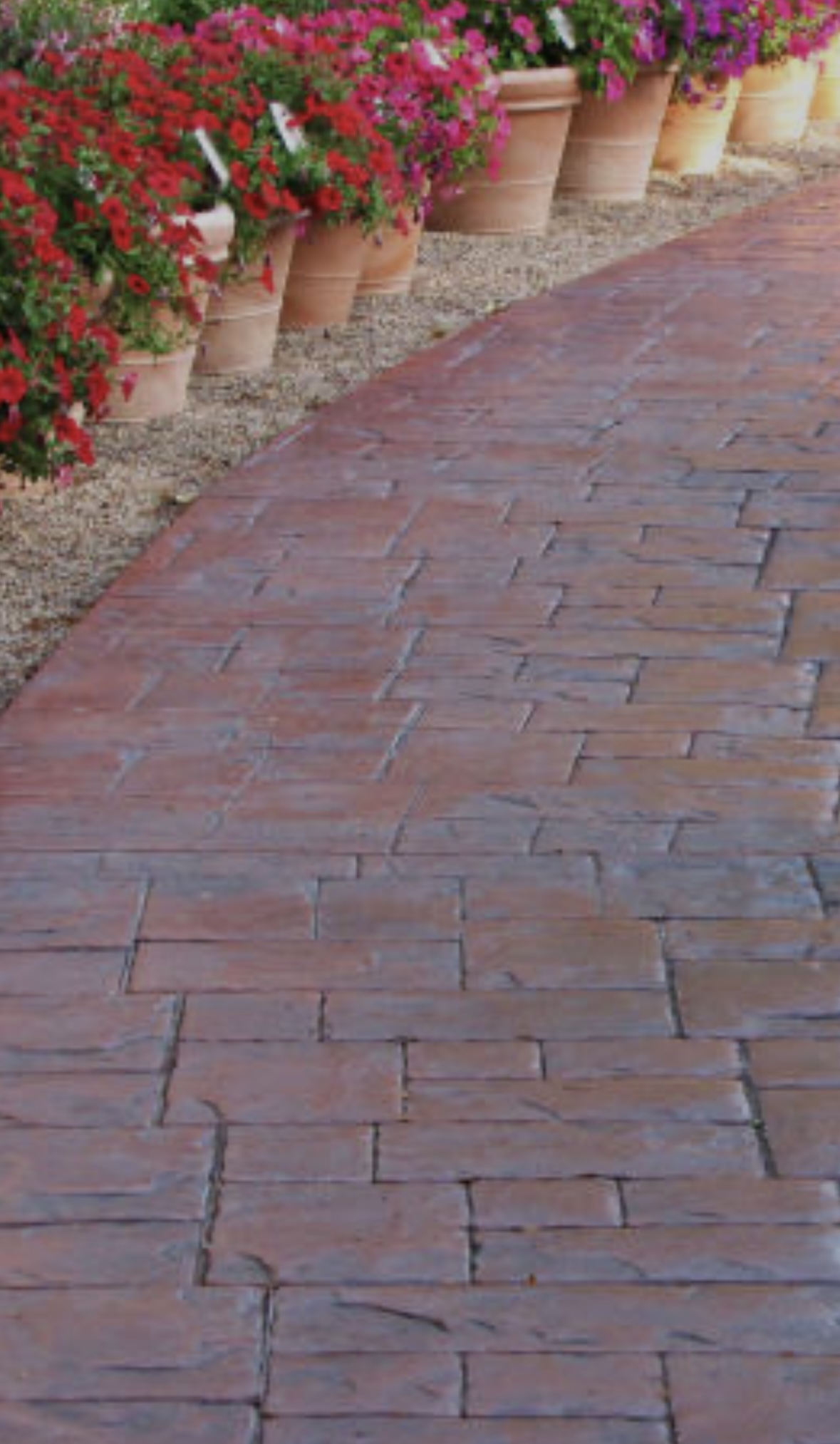
Stamped Concrete
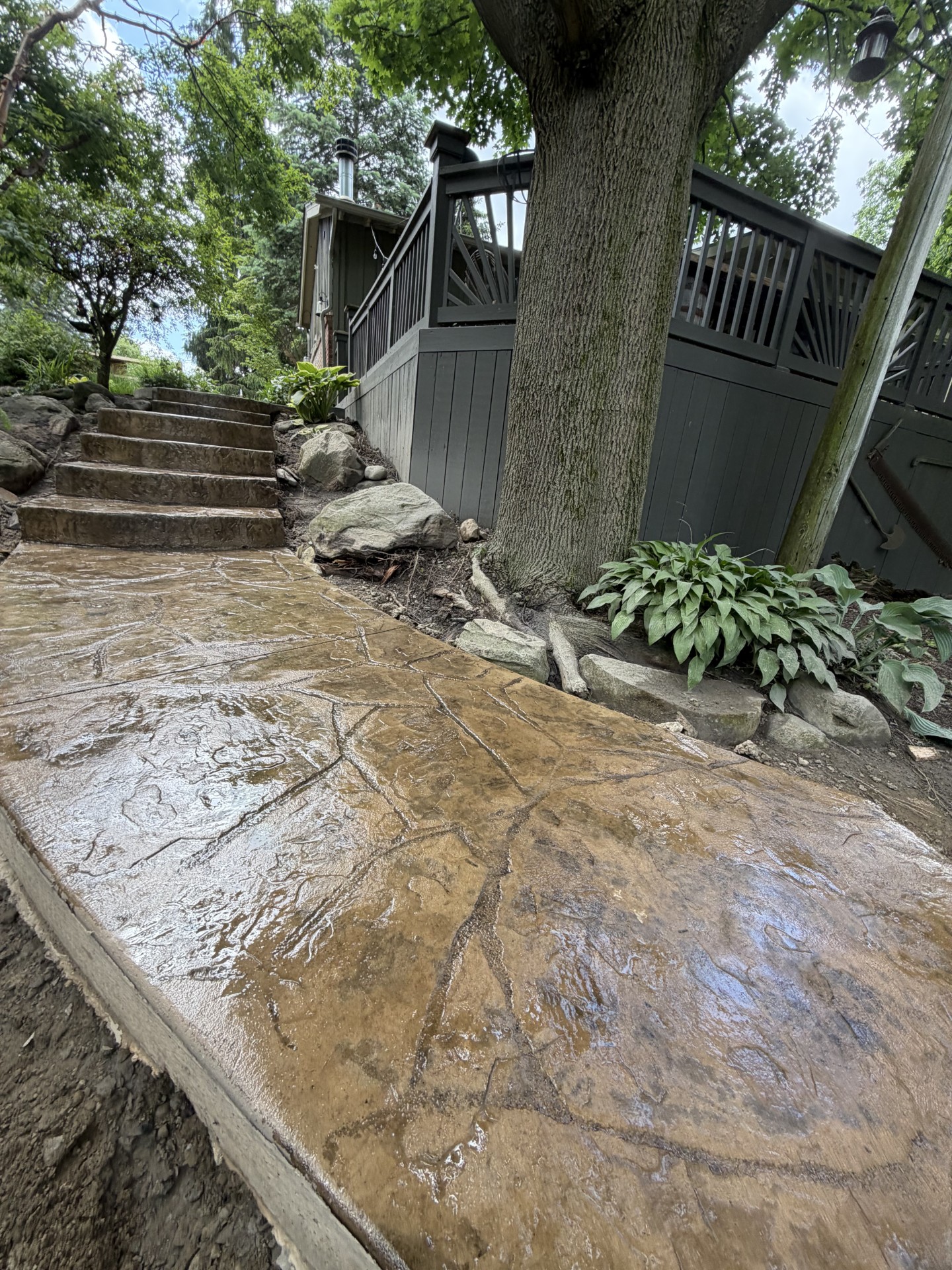
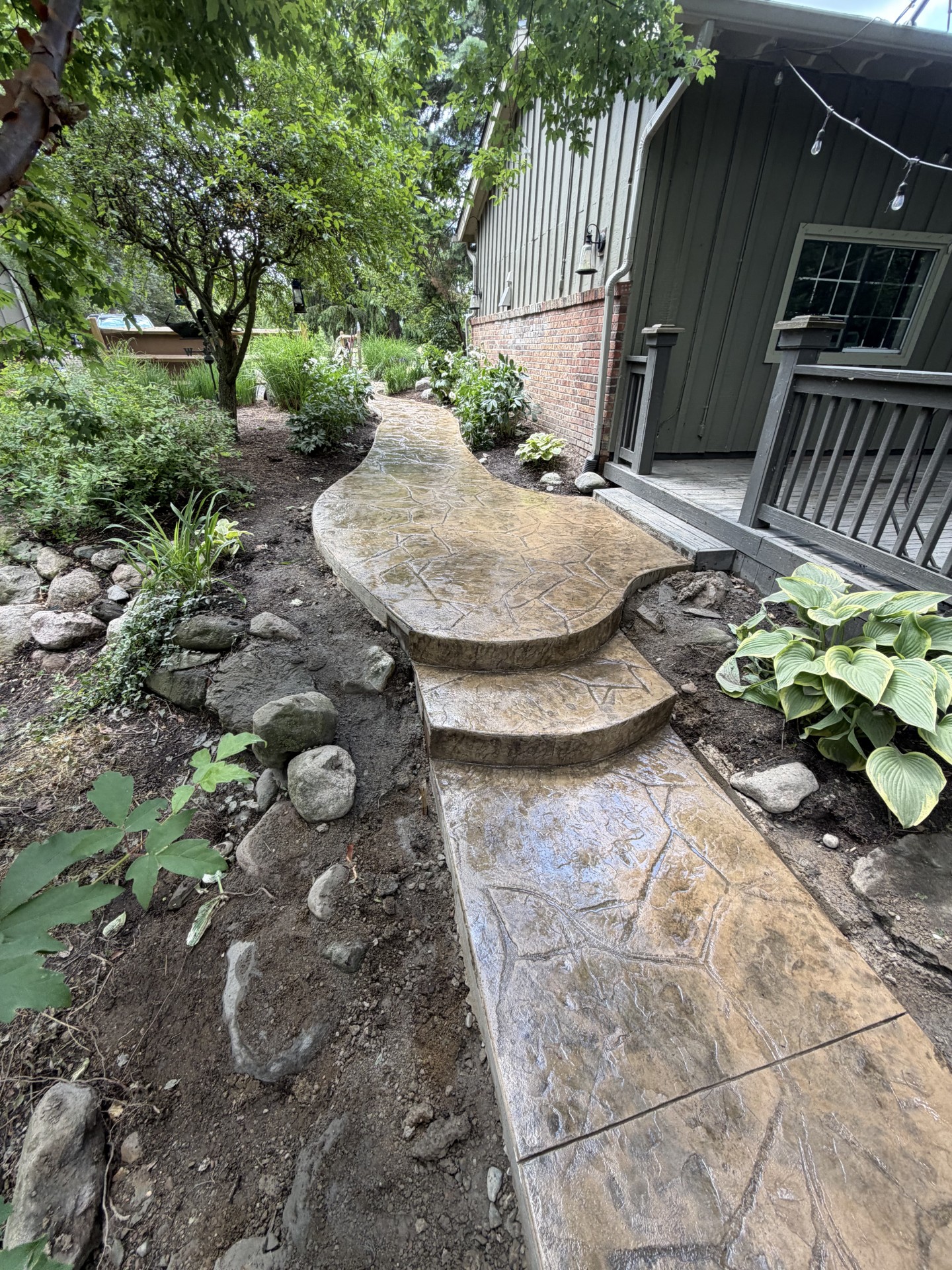
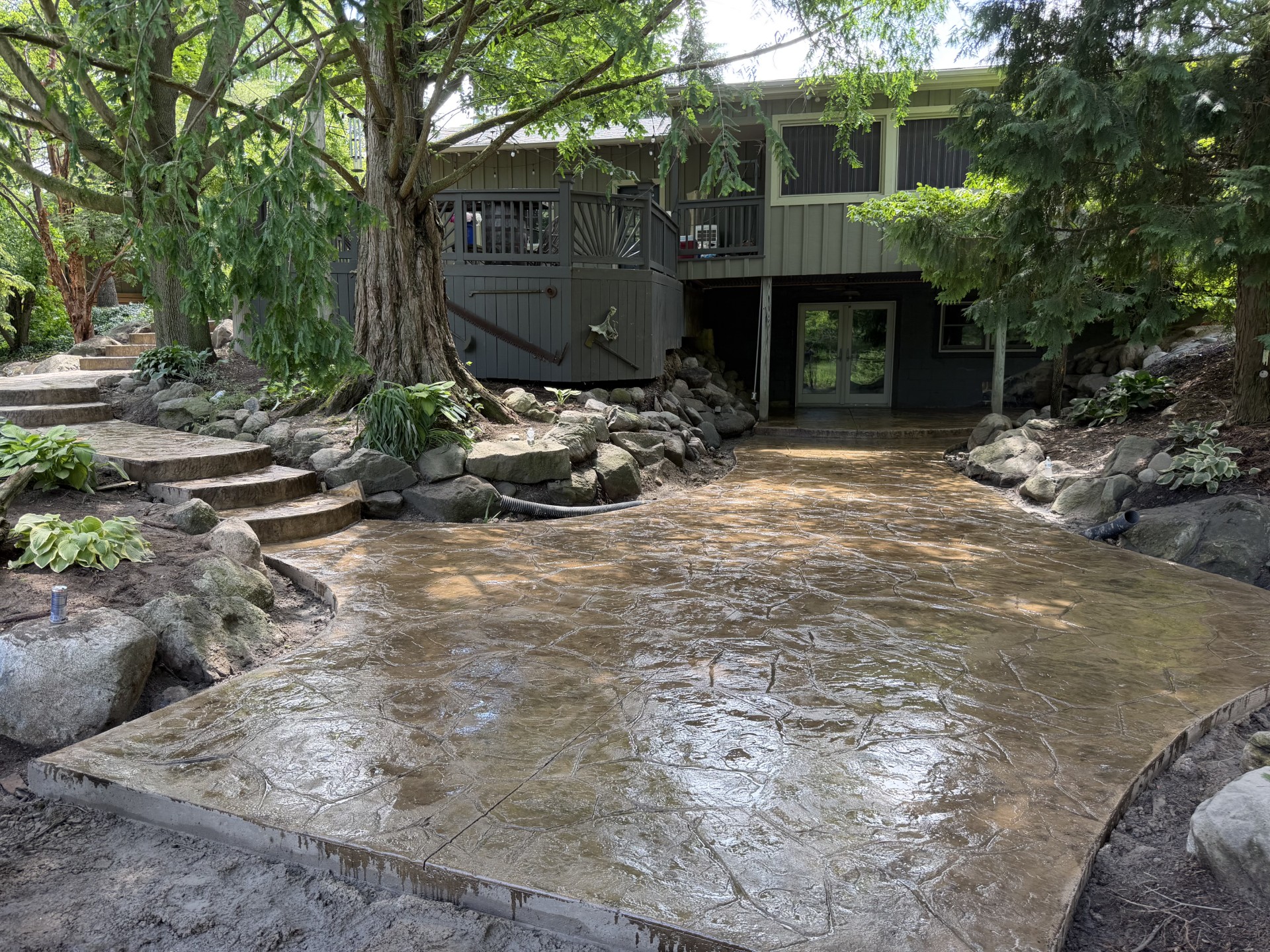
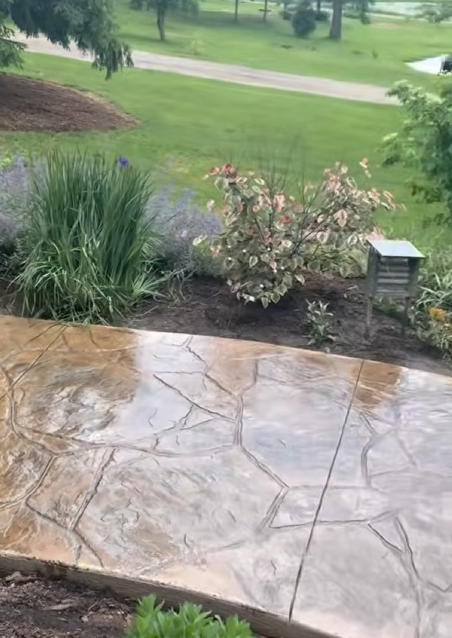
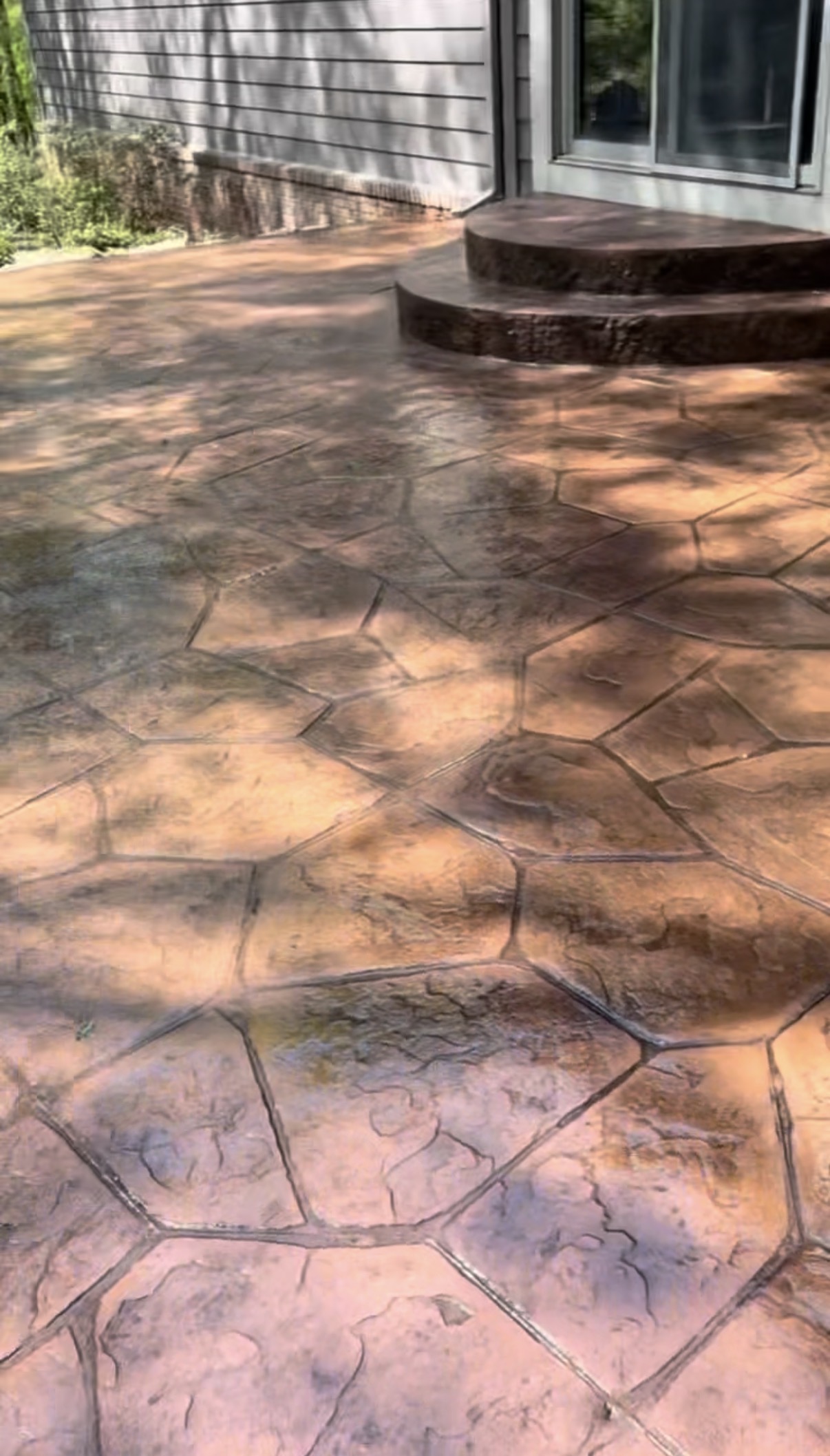
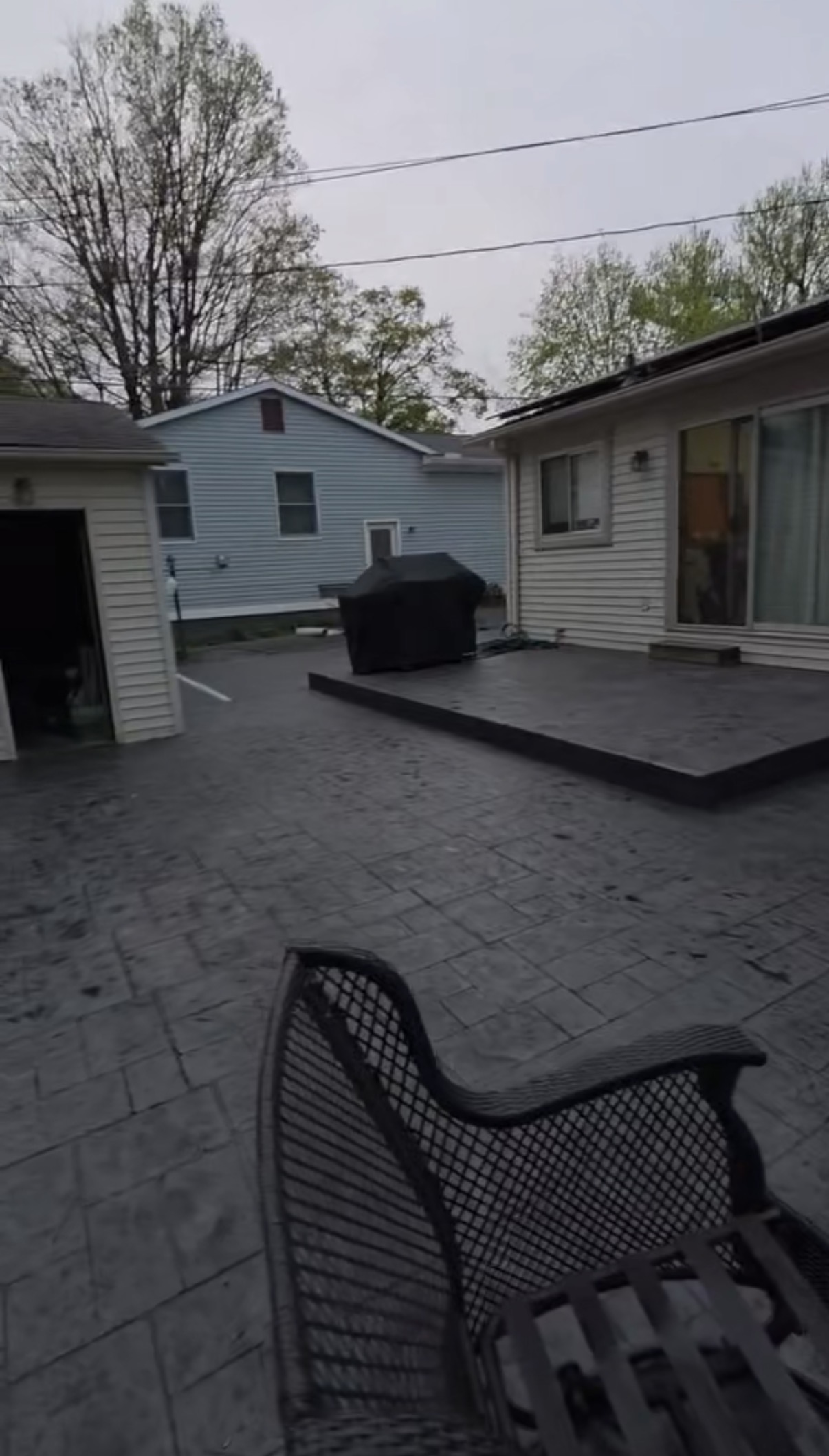
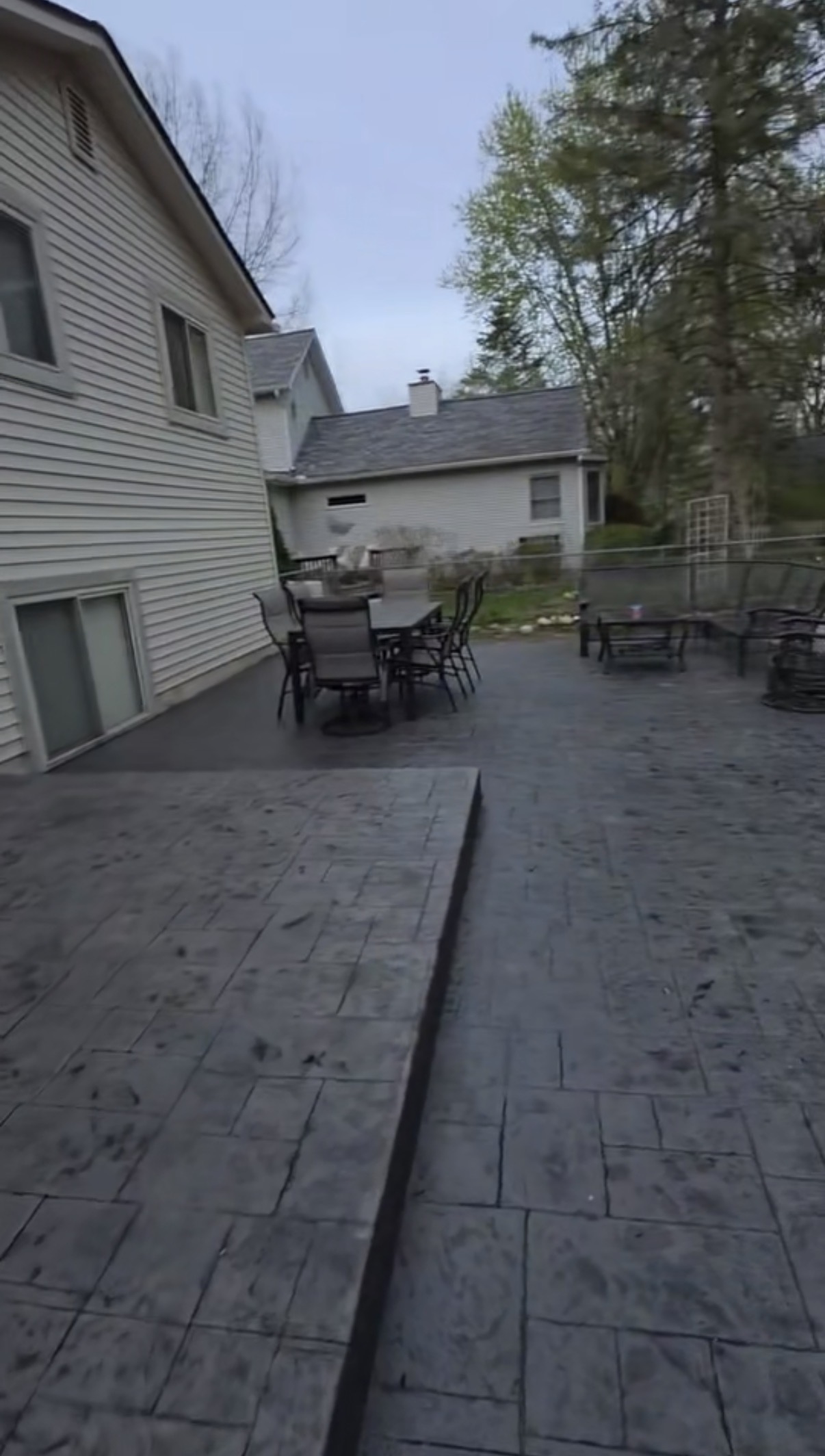
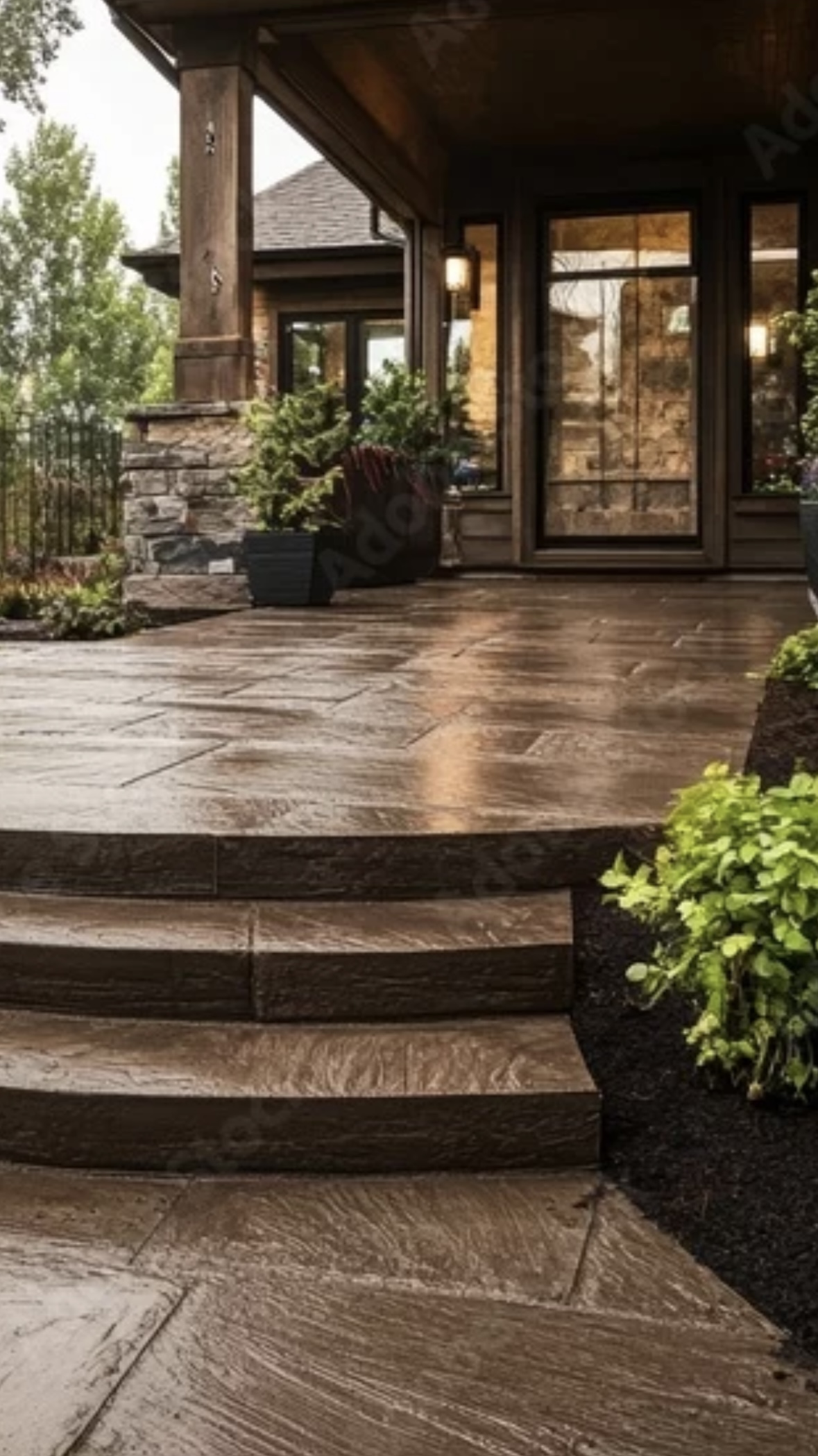
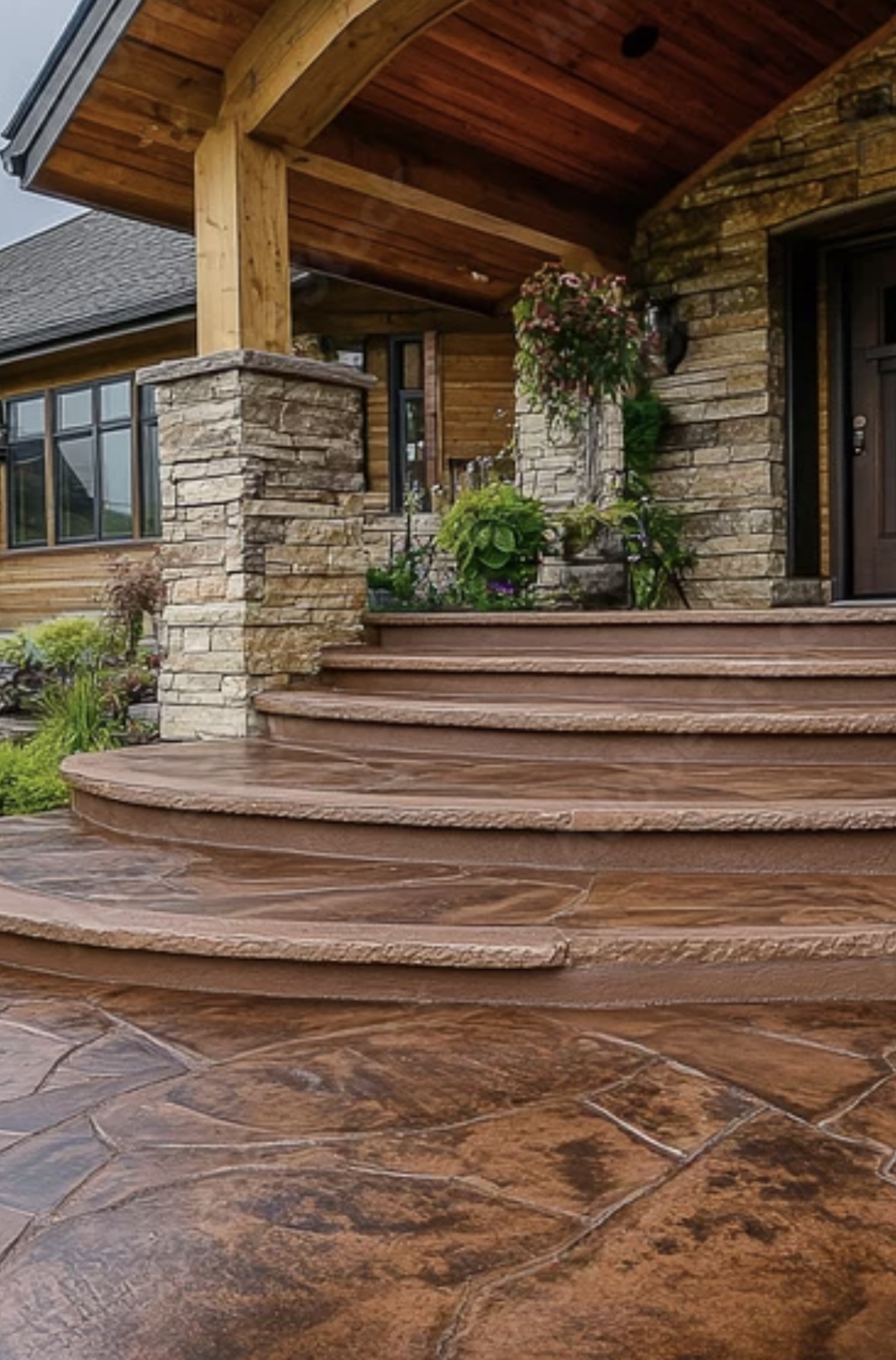
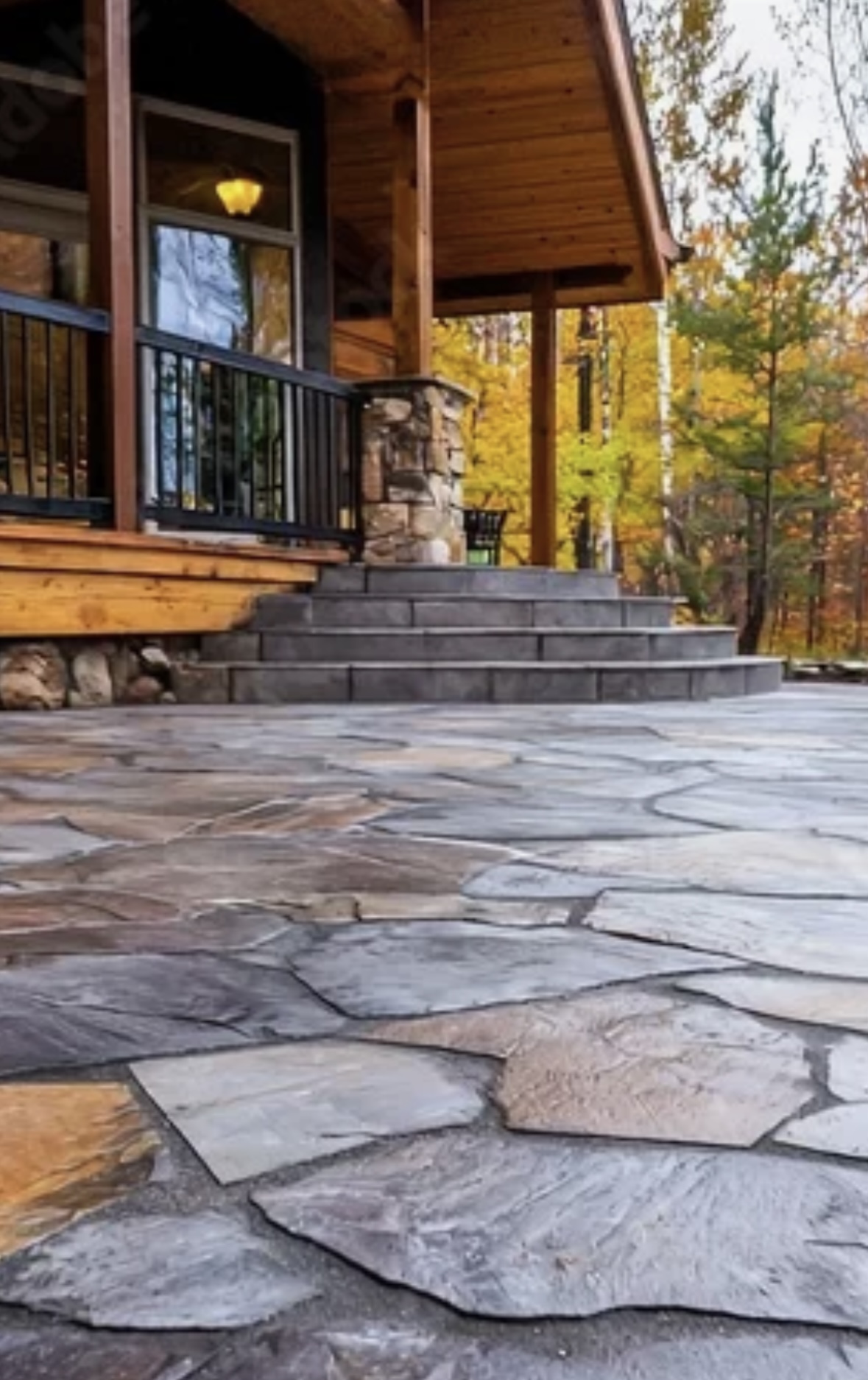
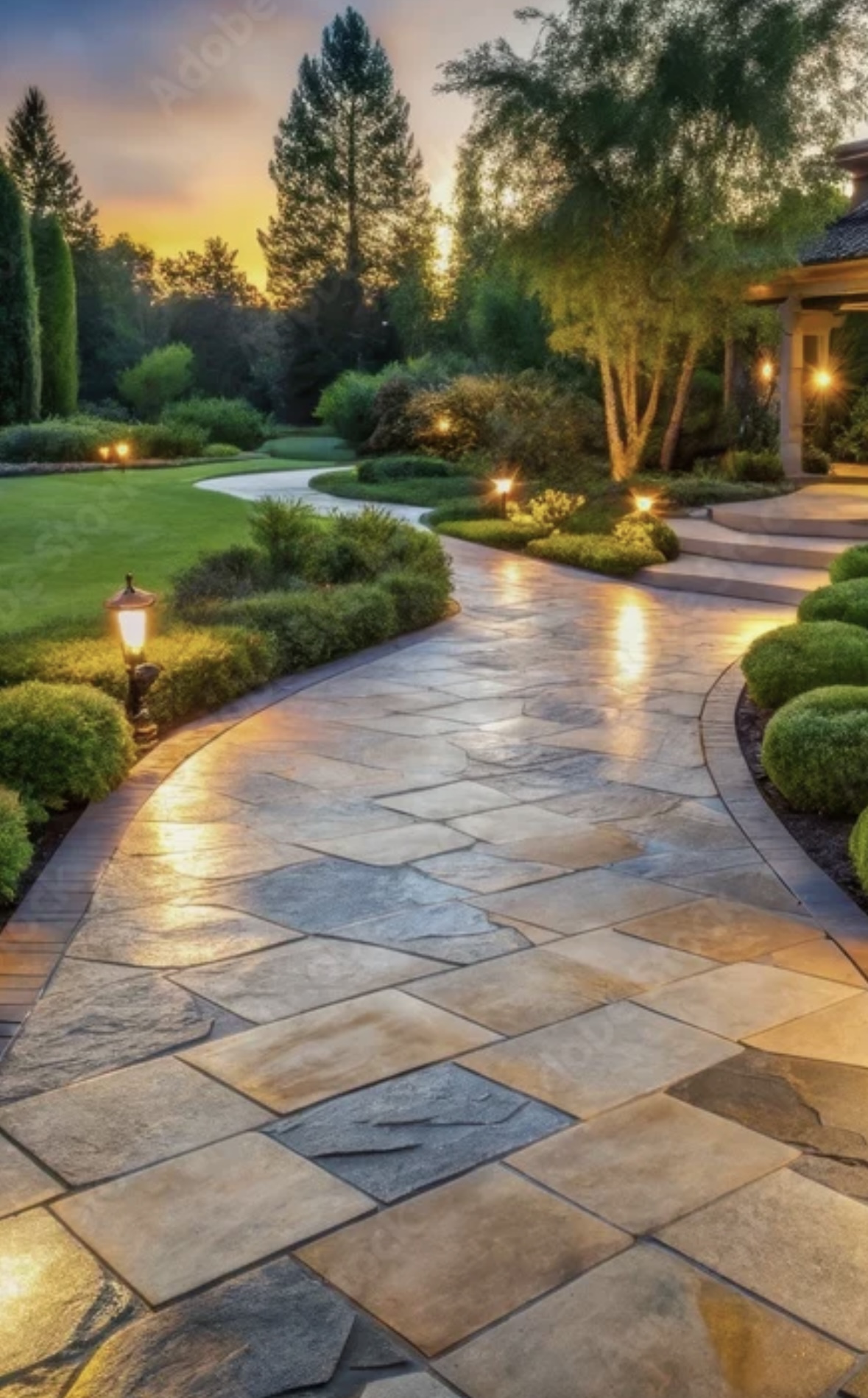
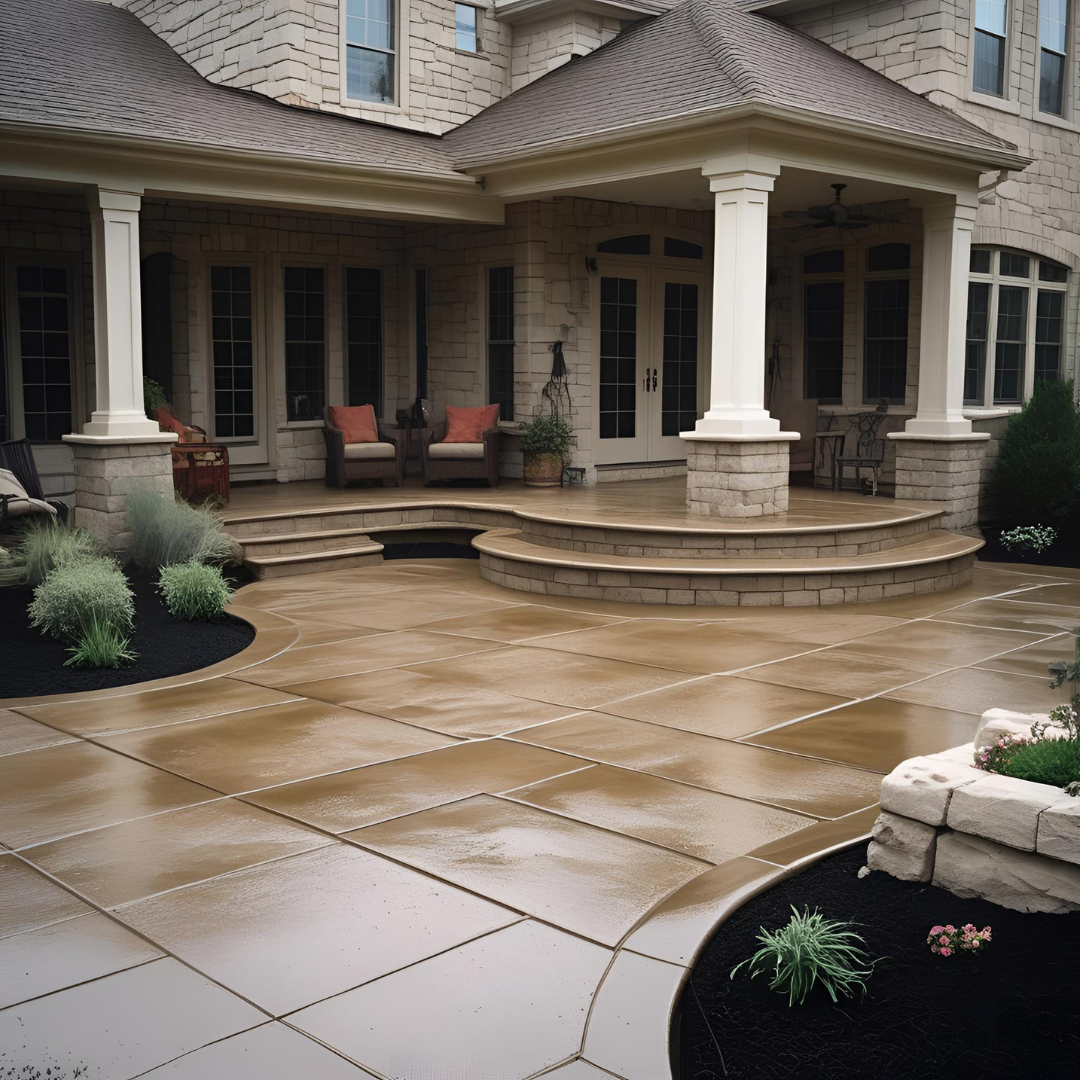
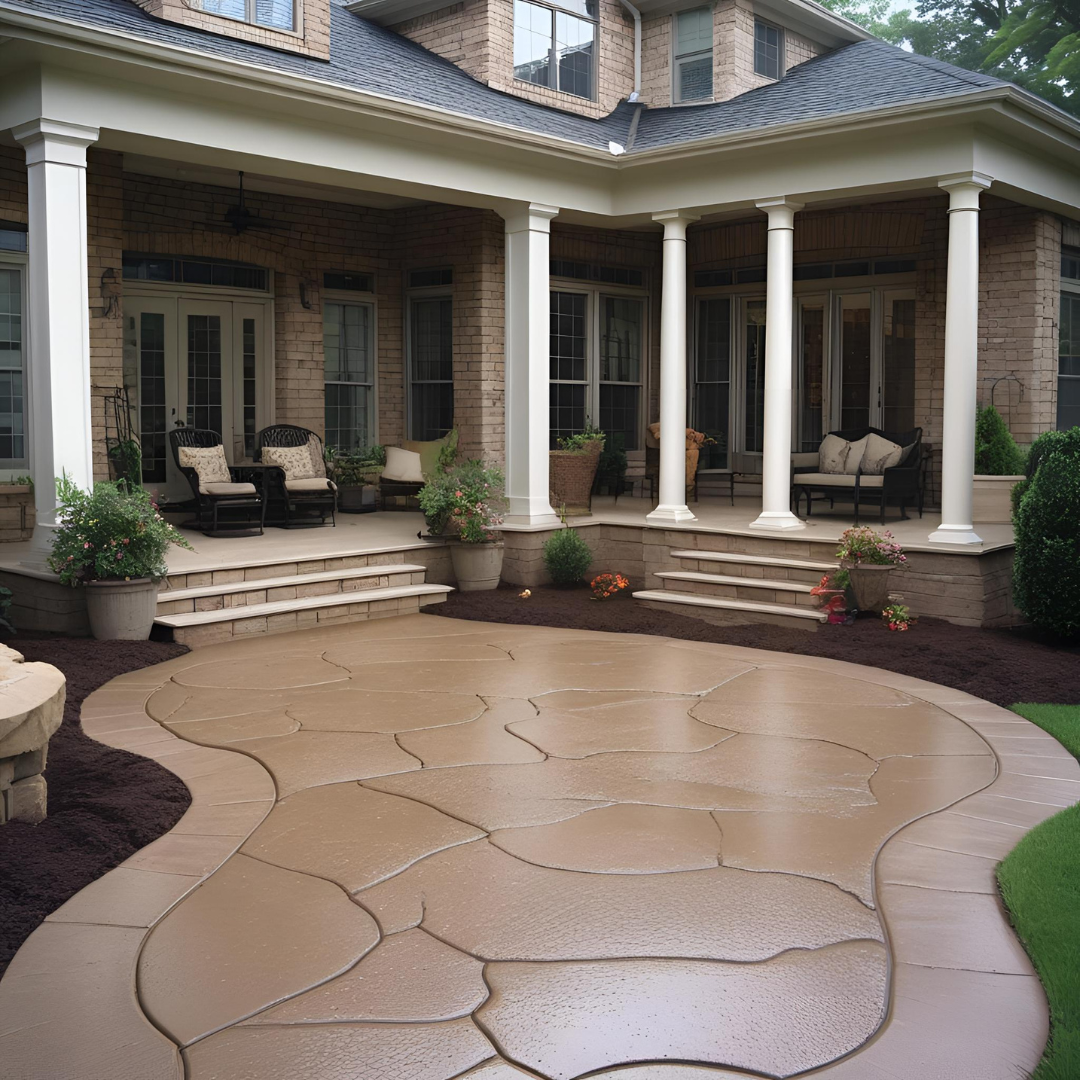
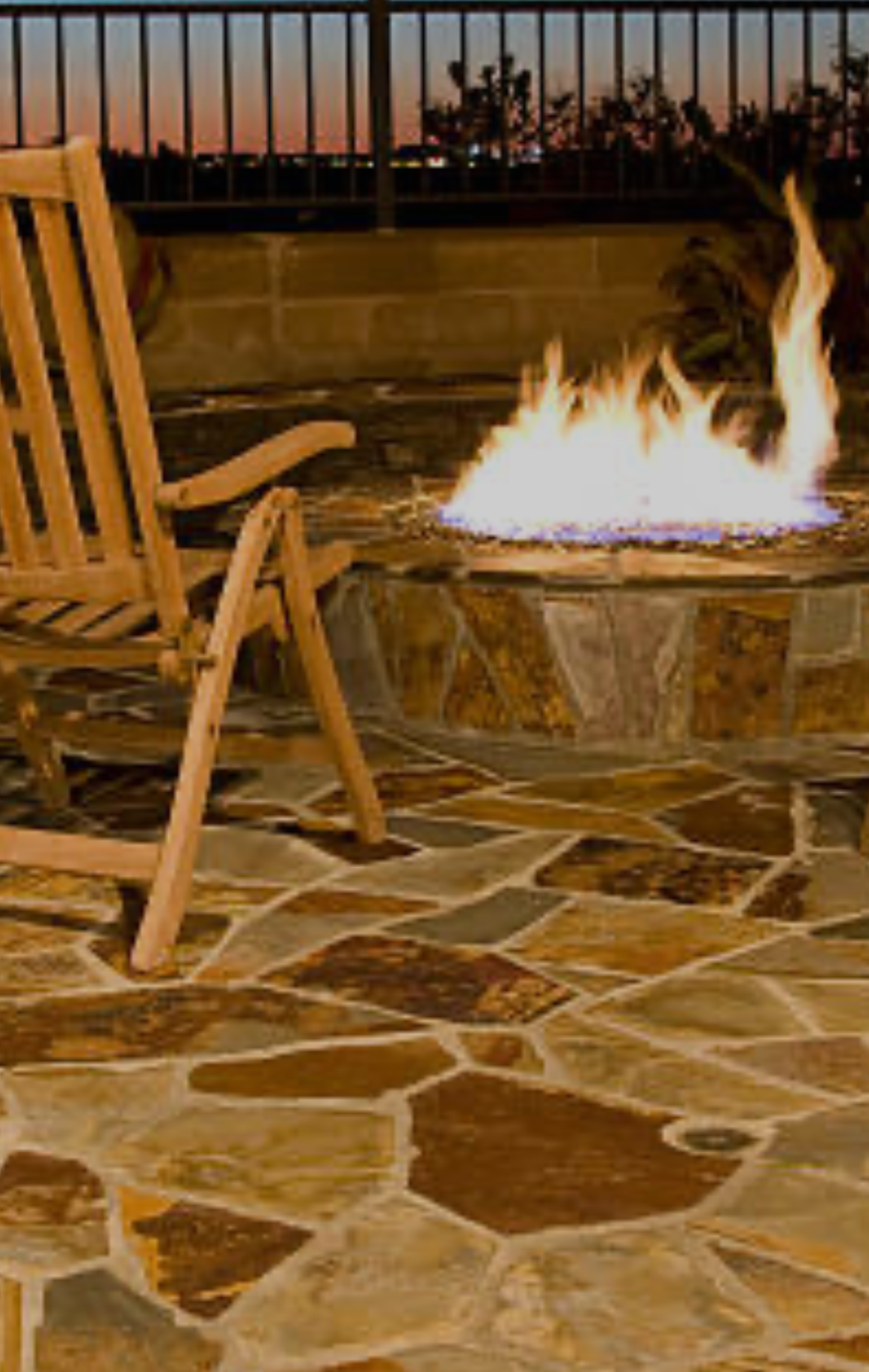
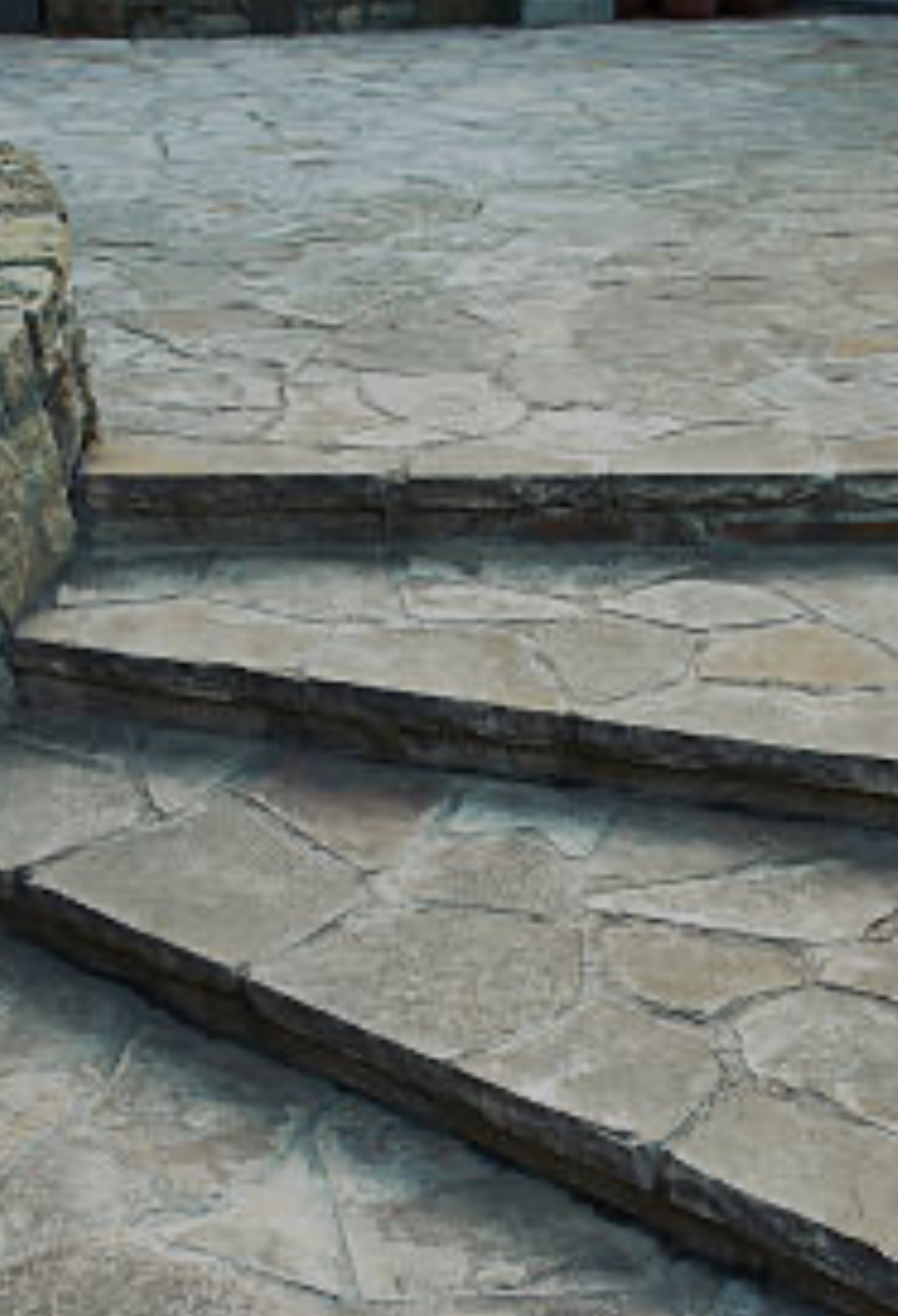
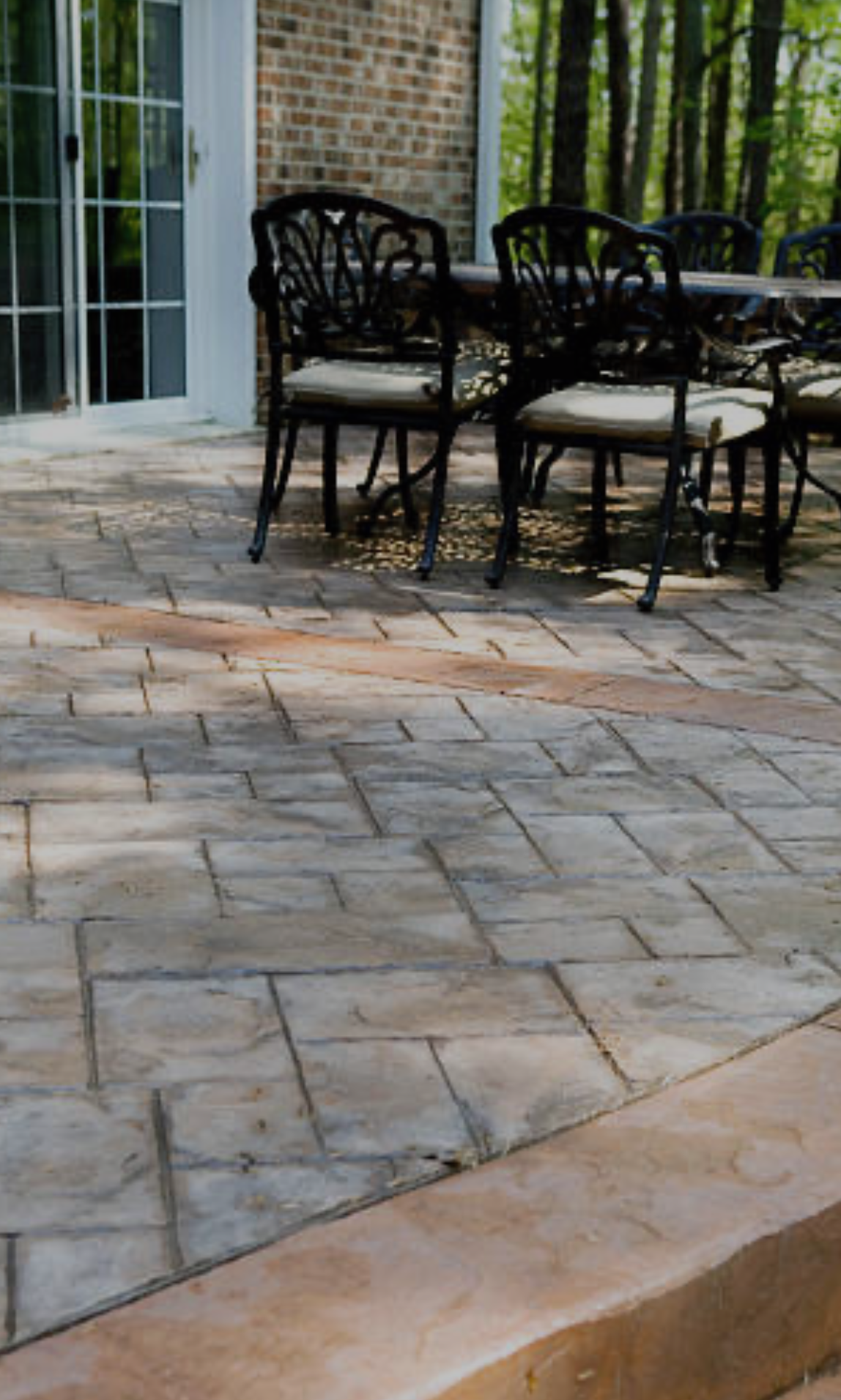
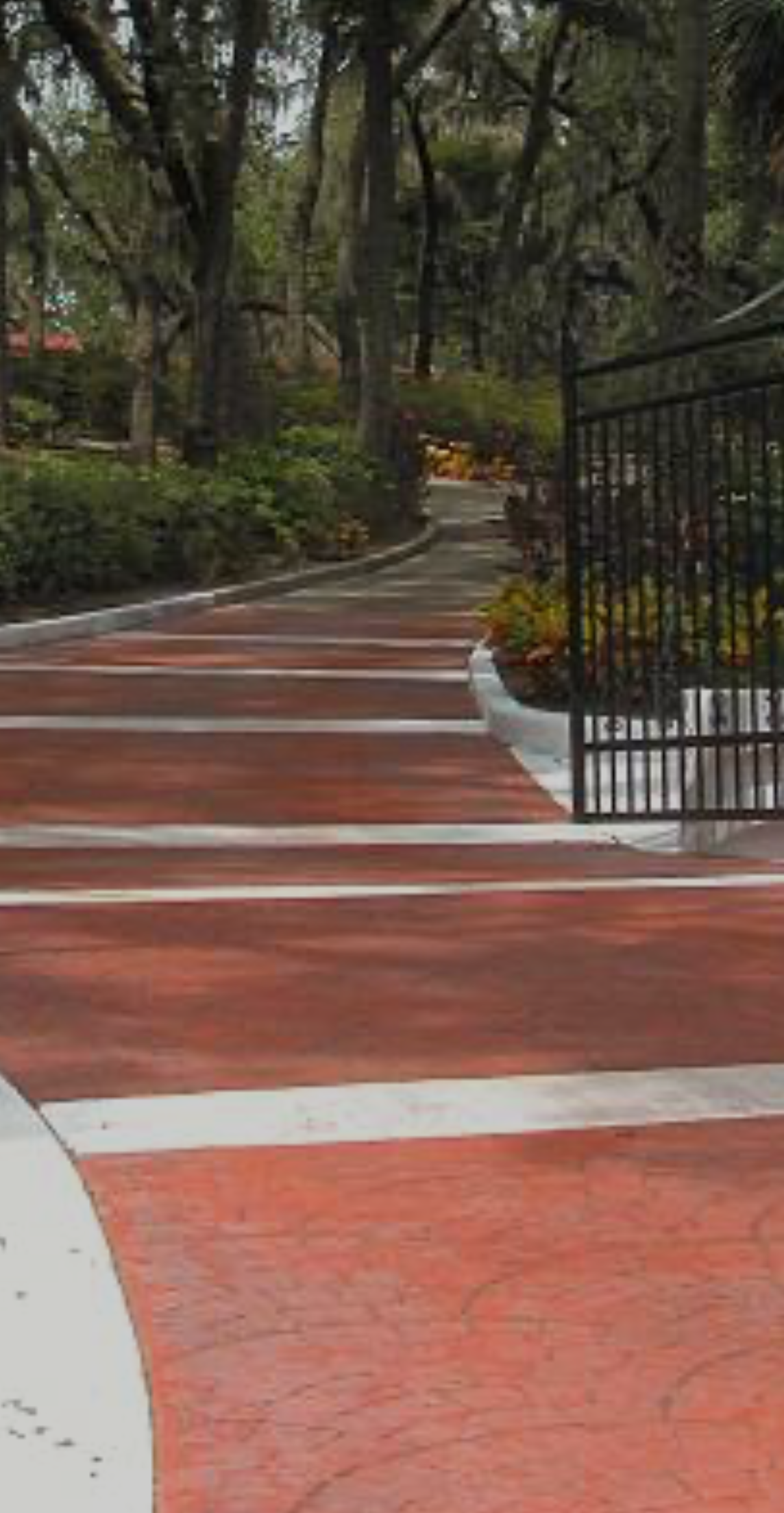
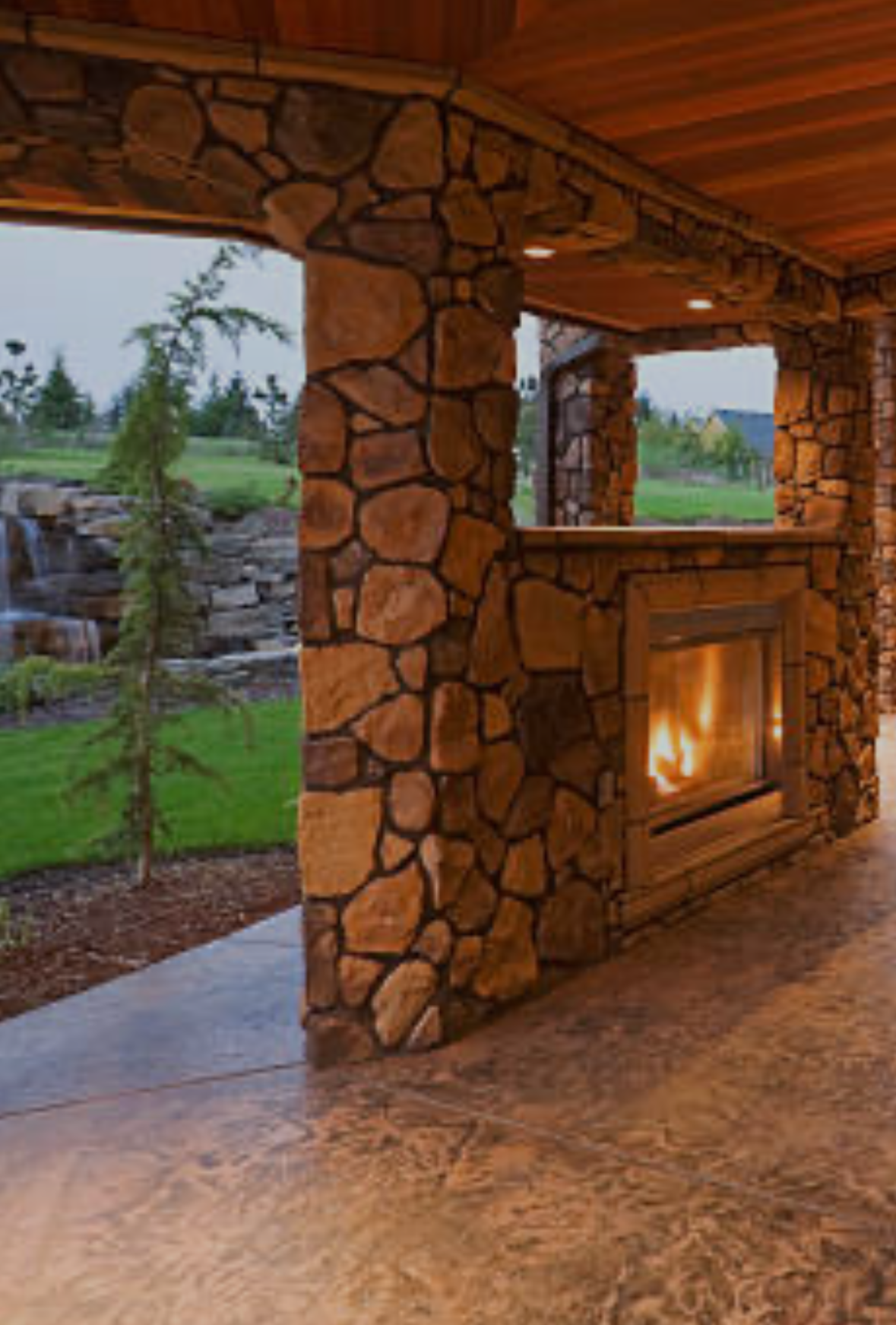
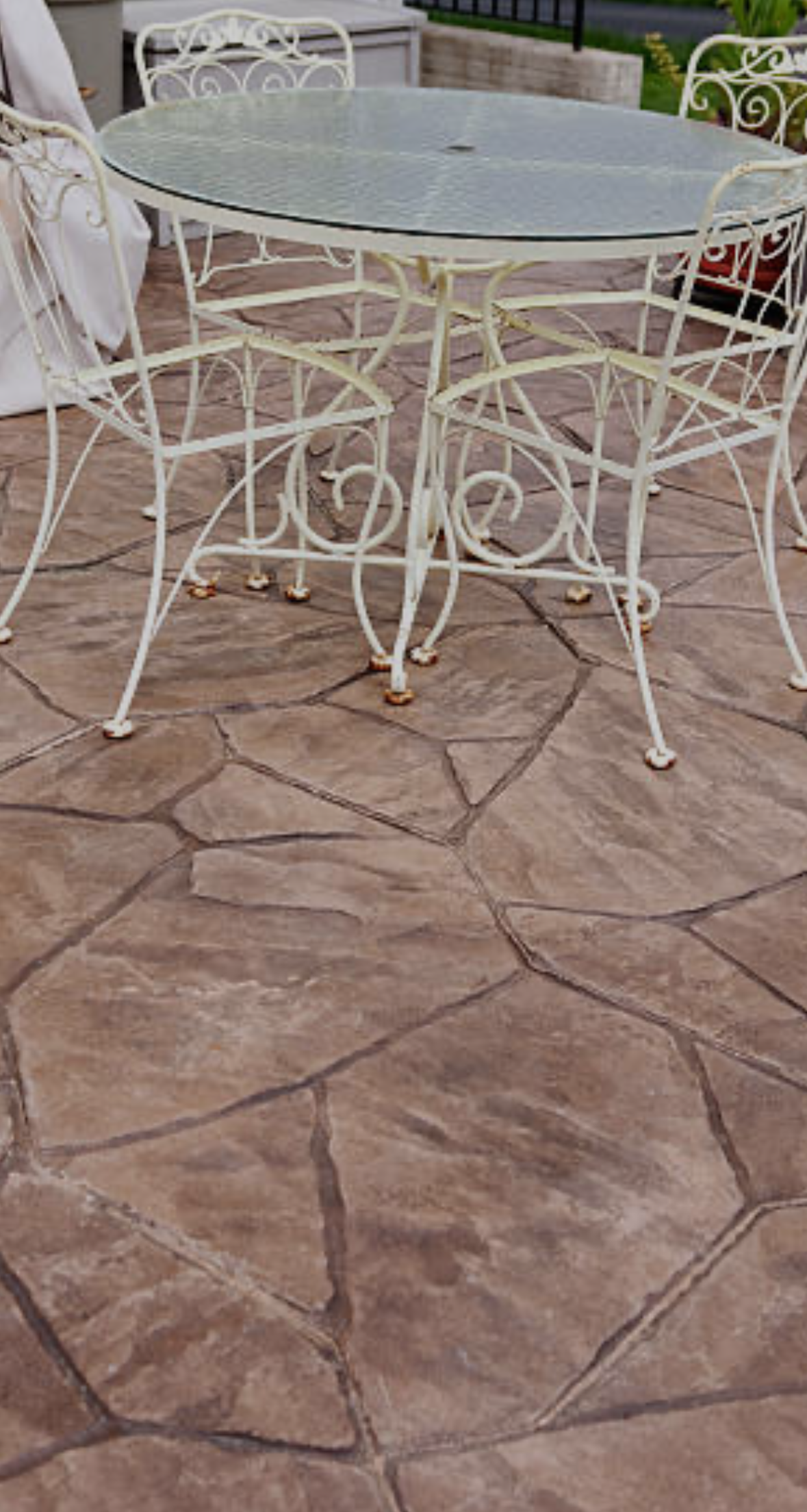
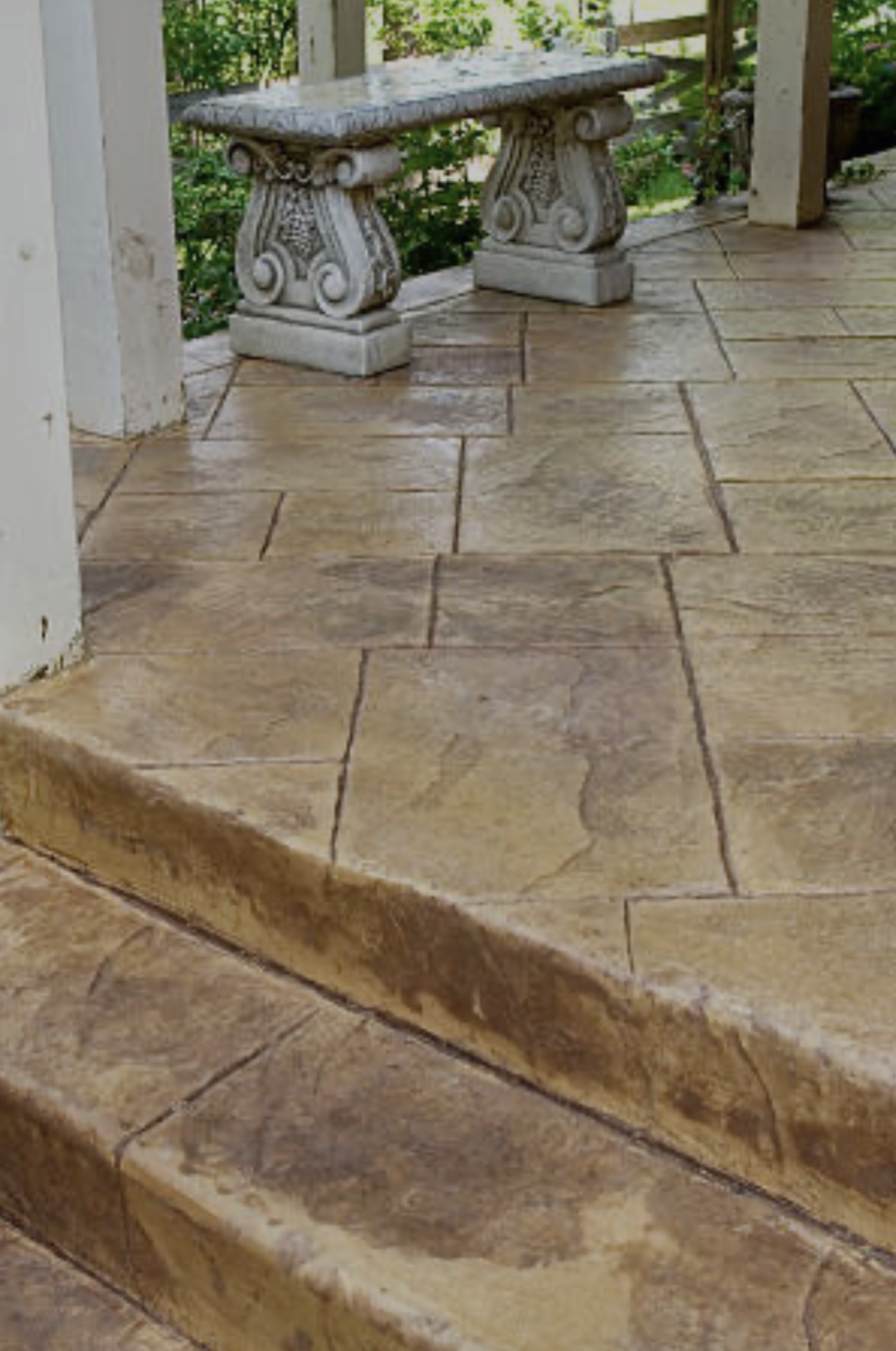
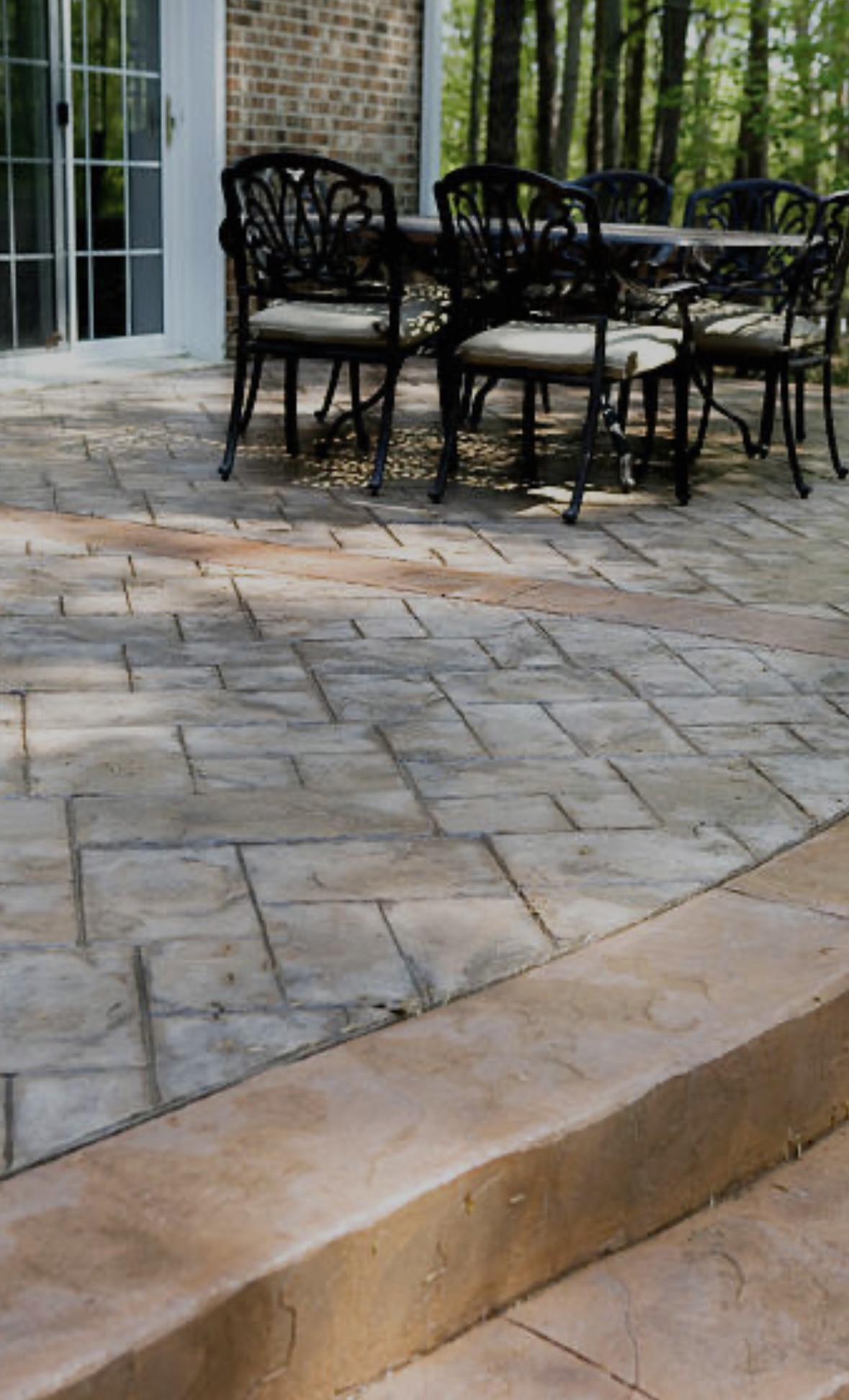
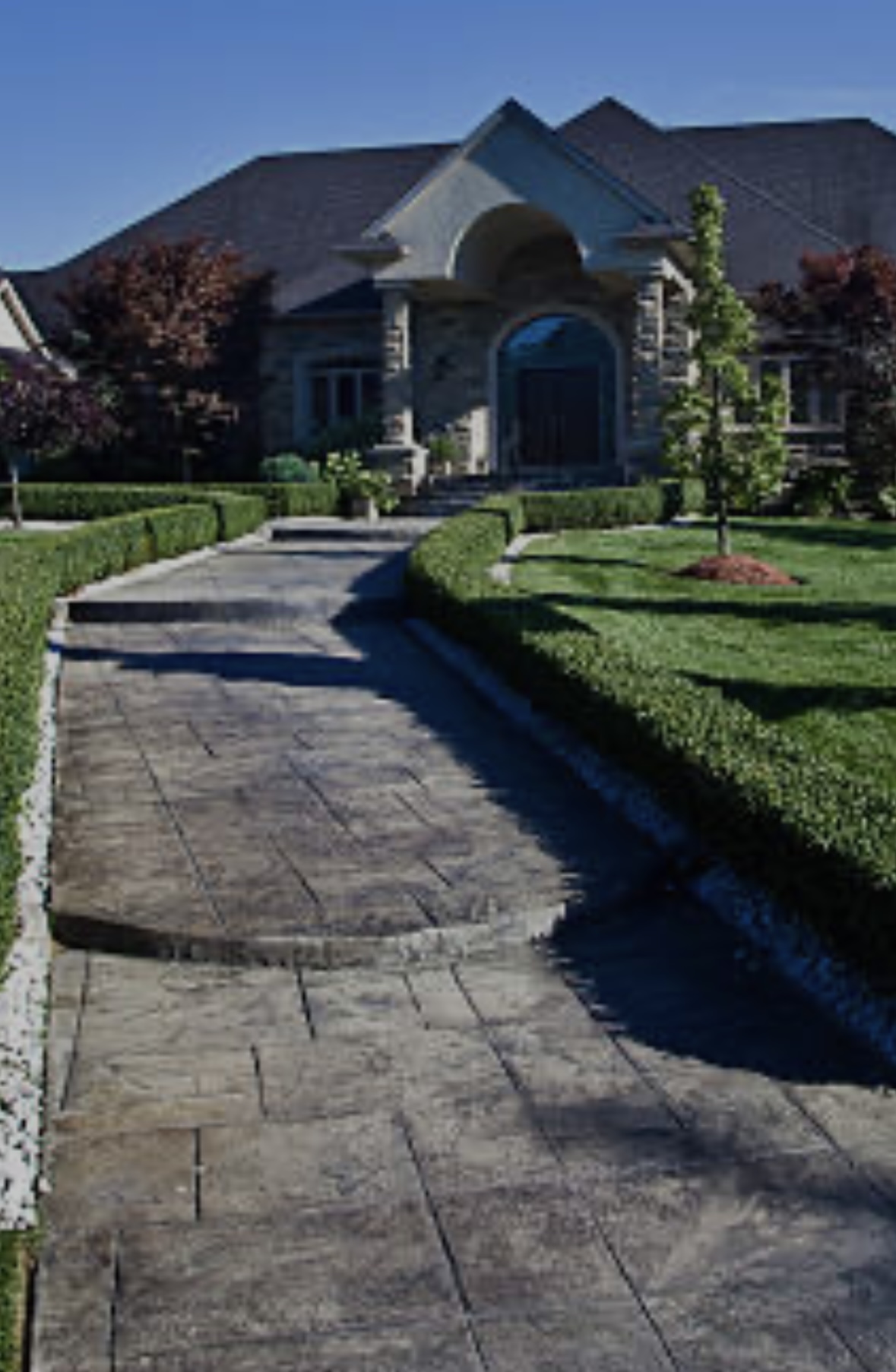
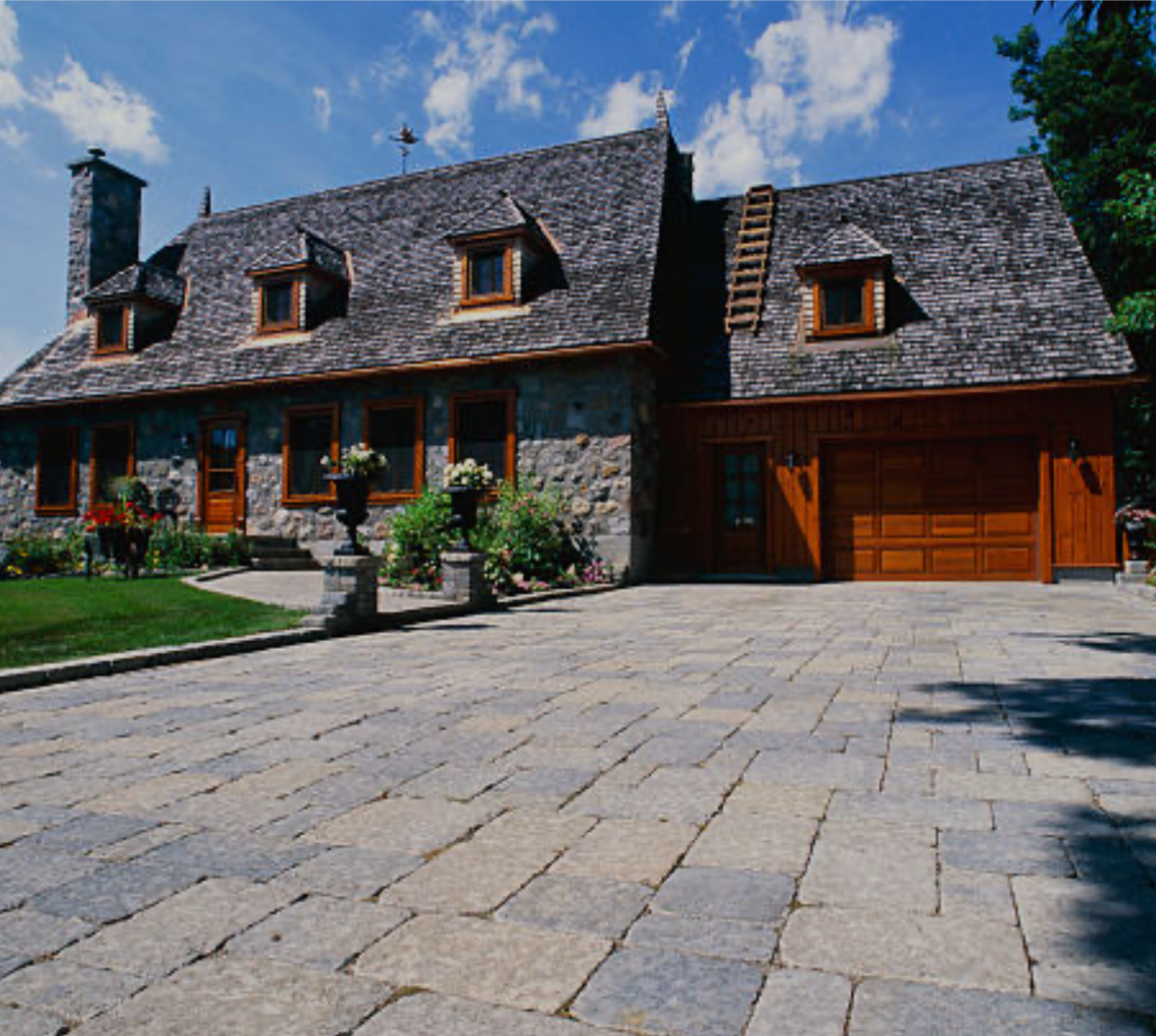
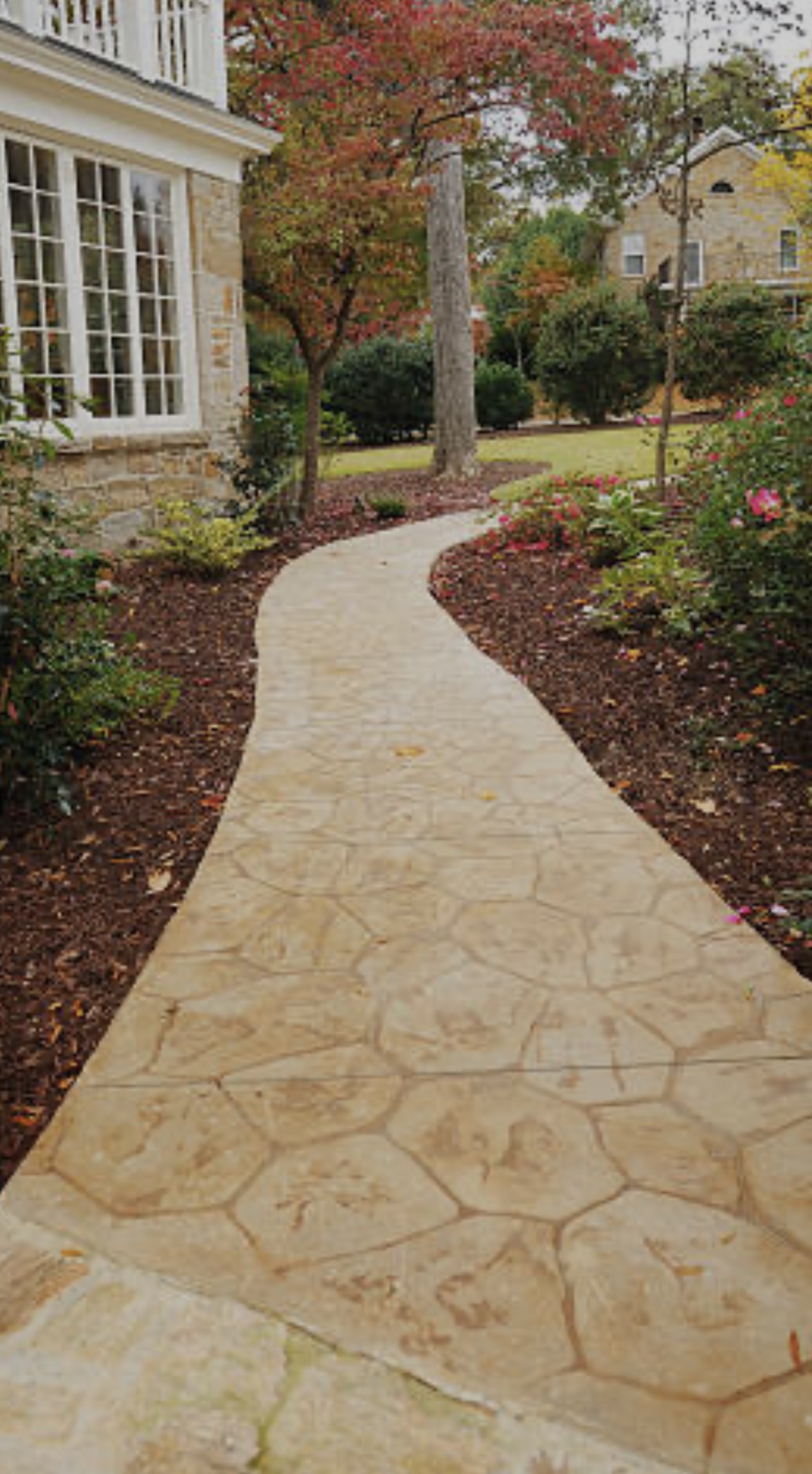
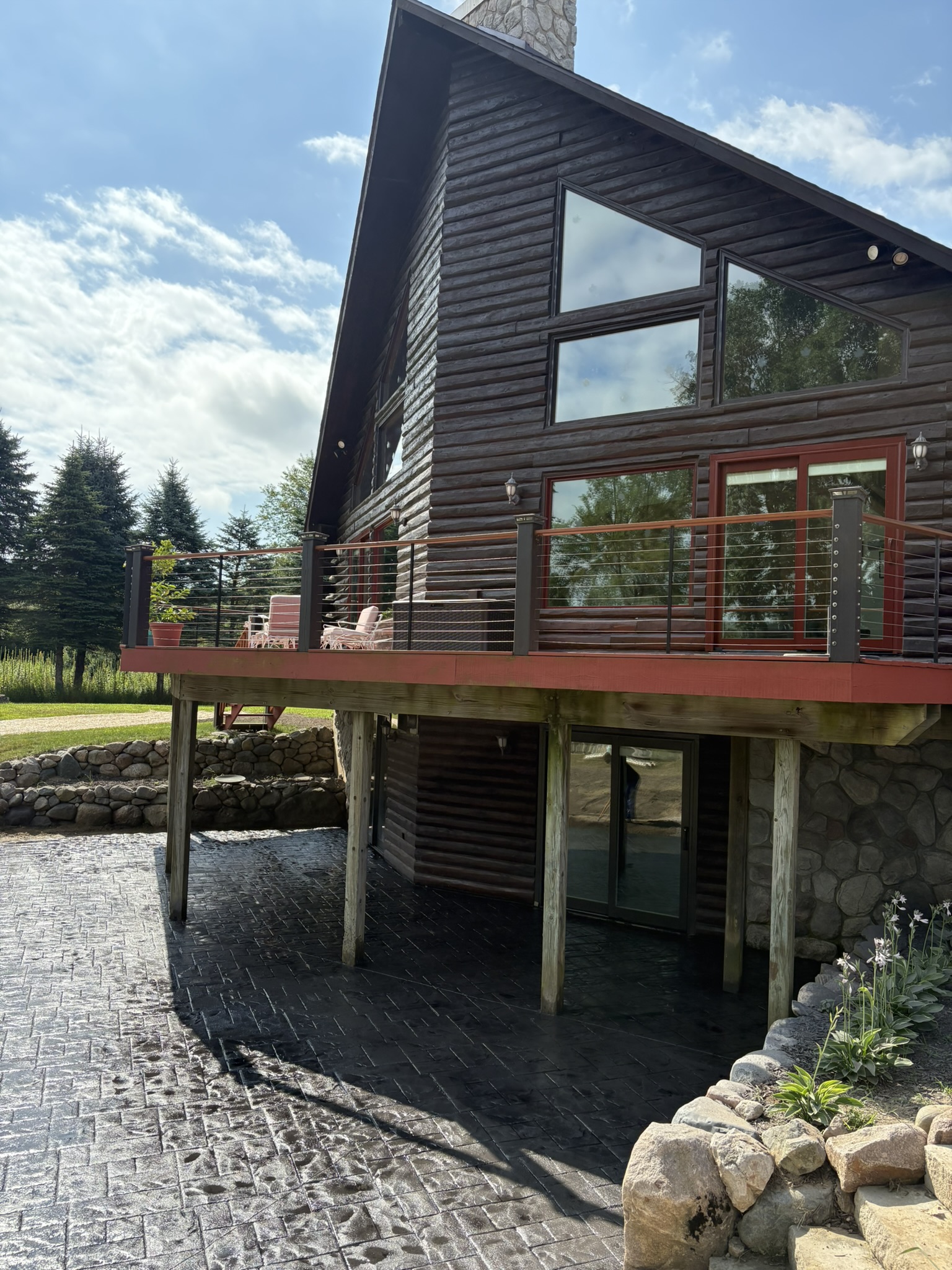
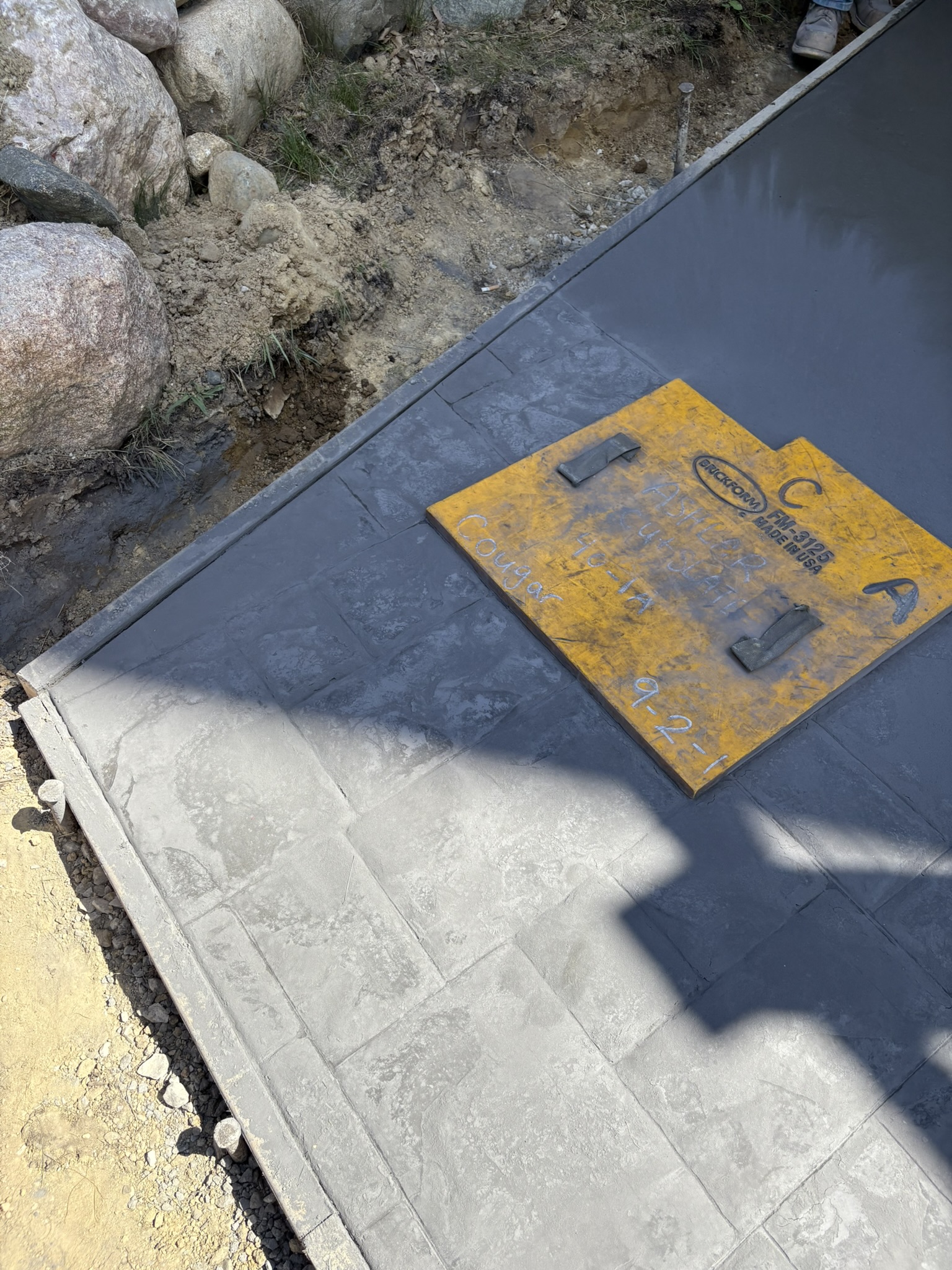
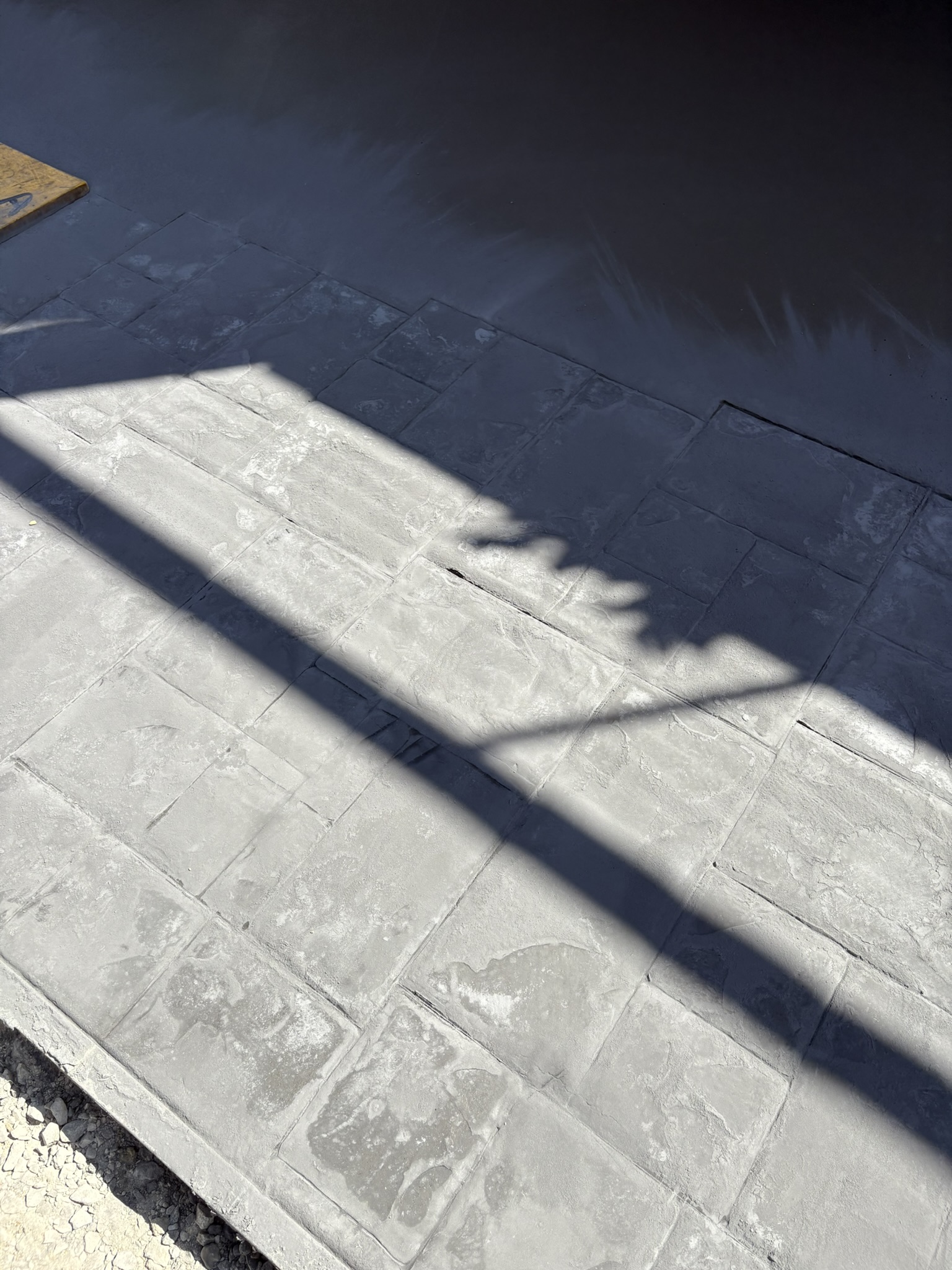
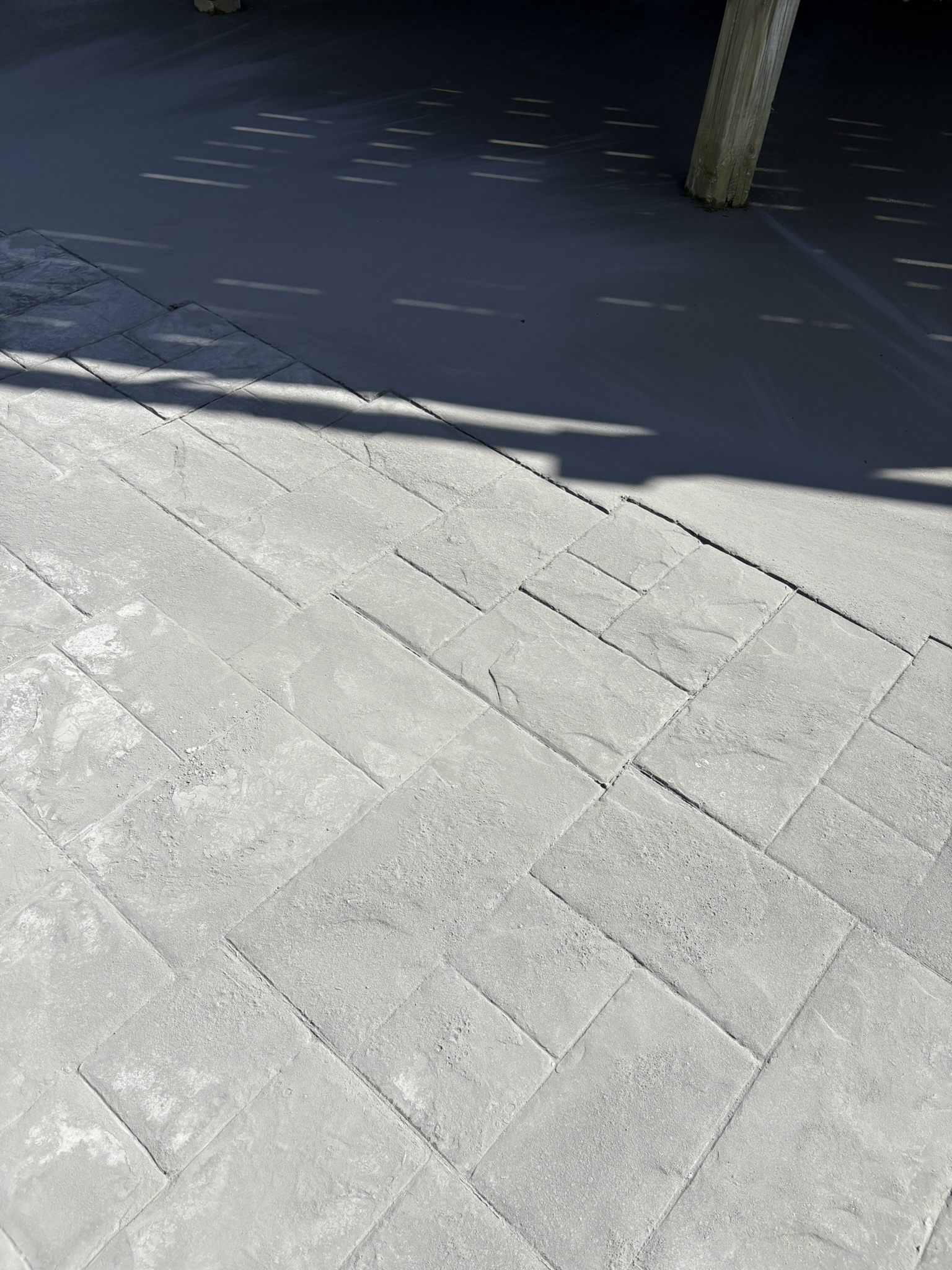
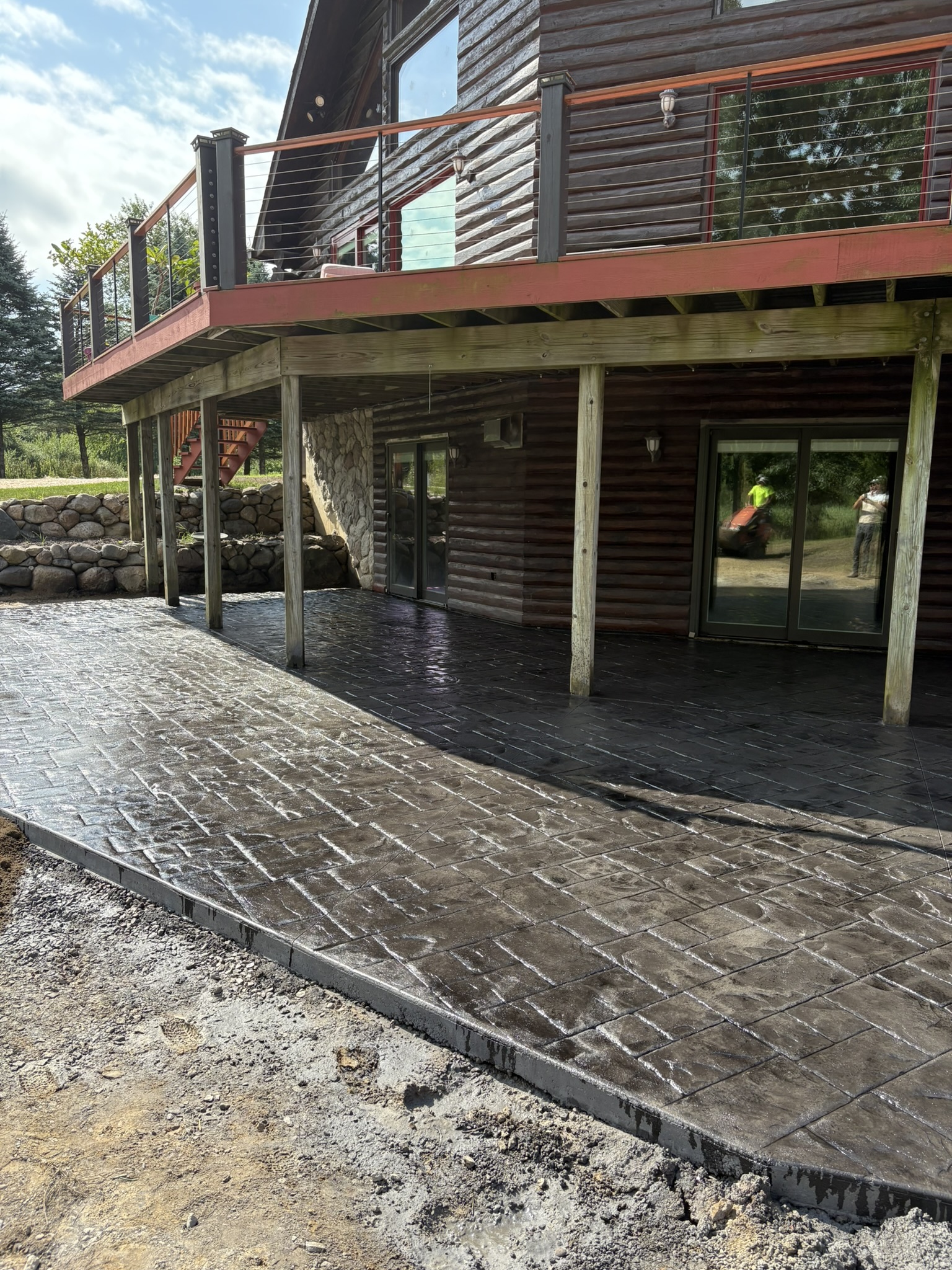
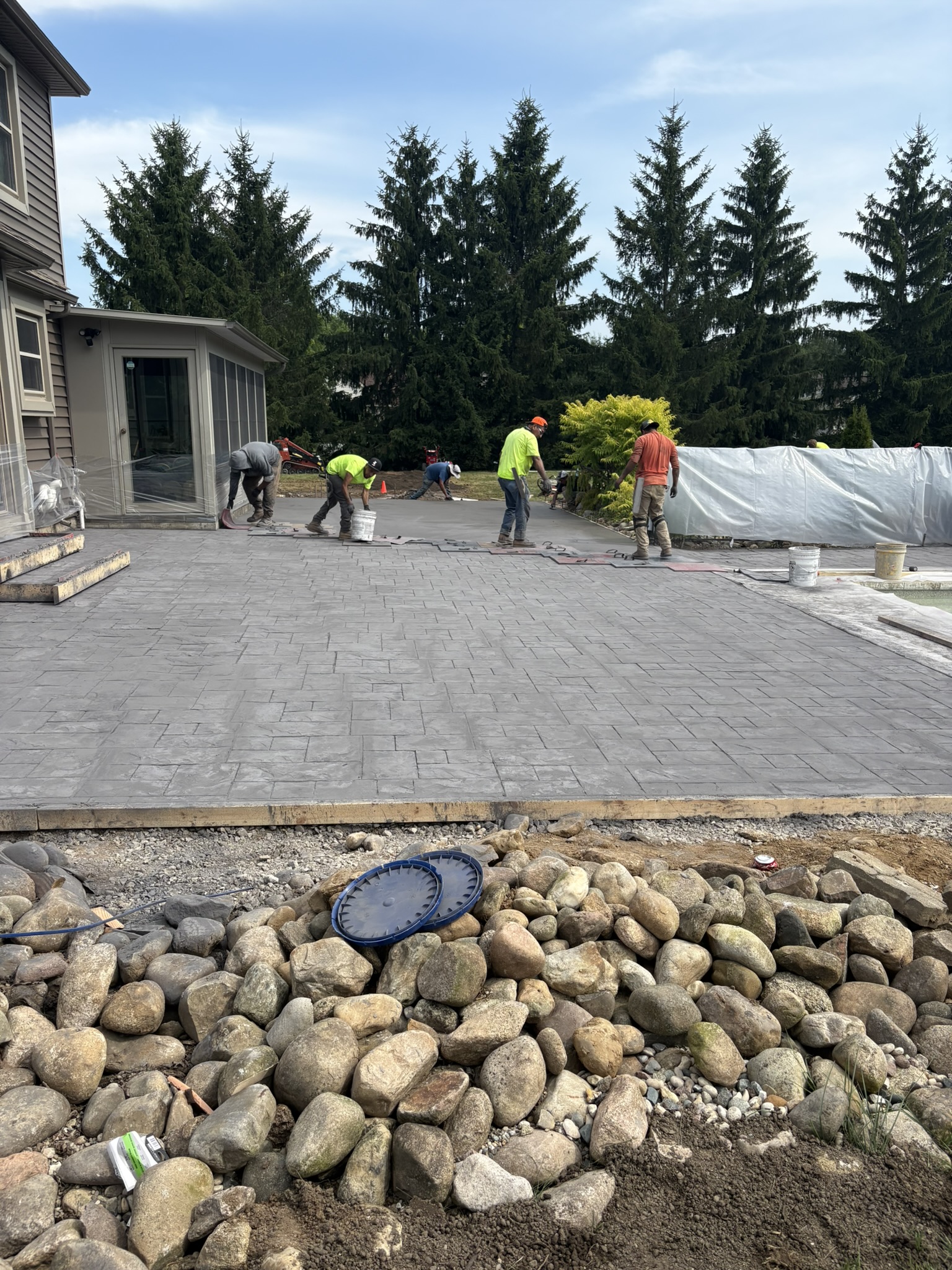
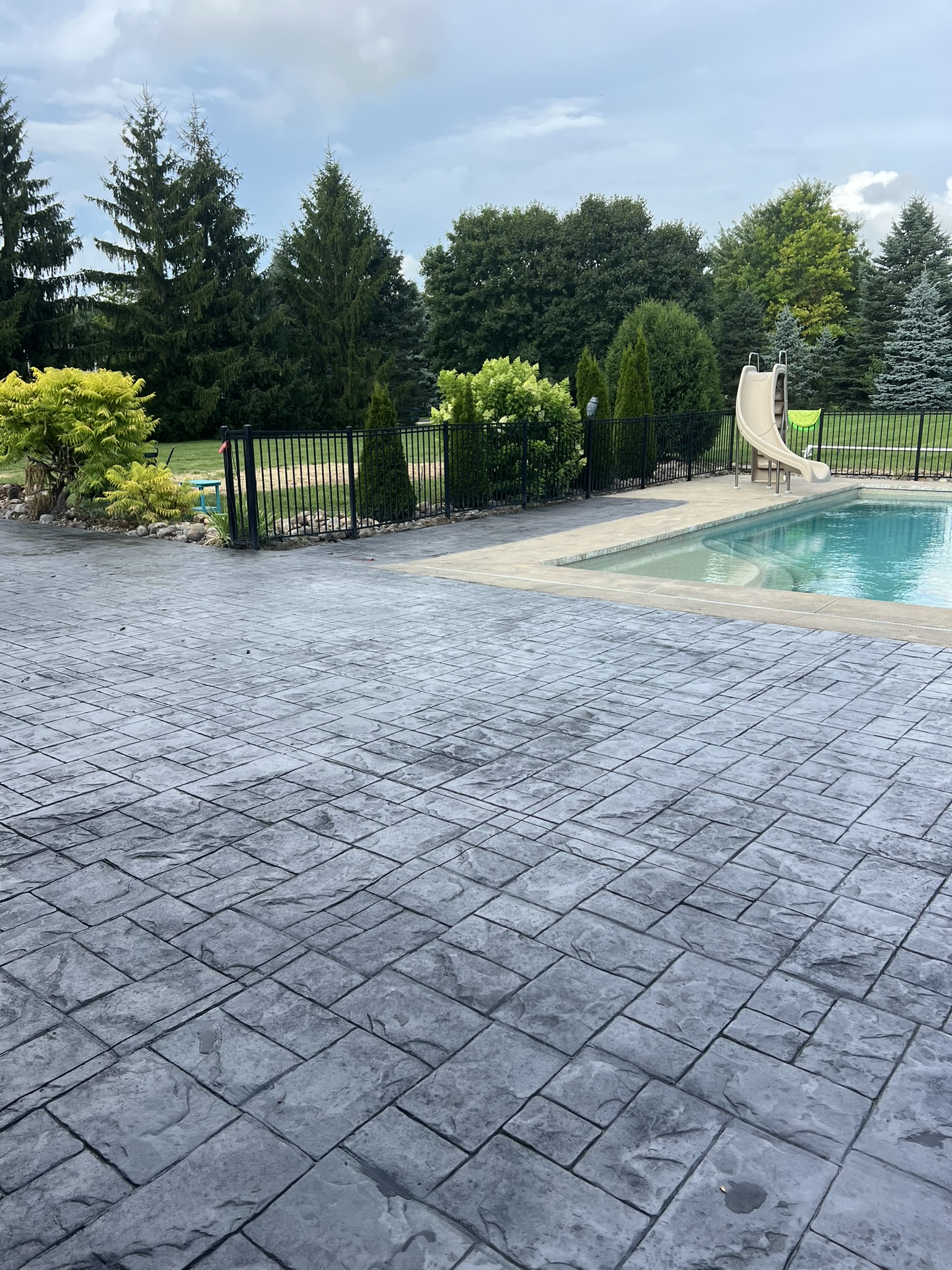
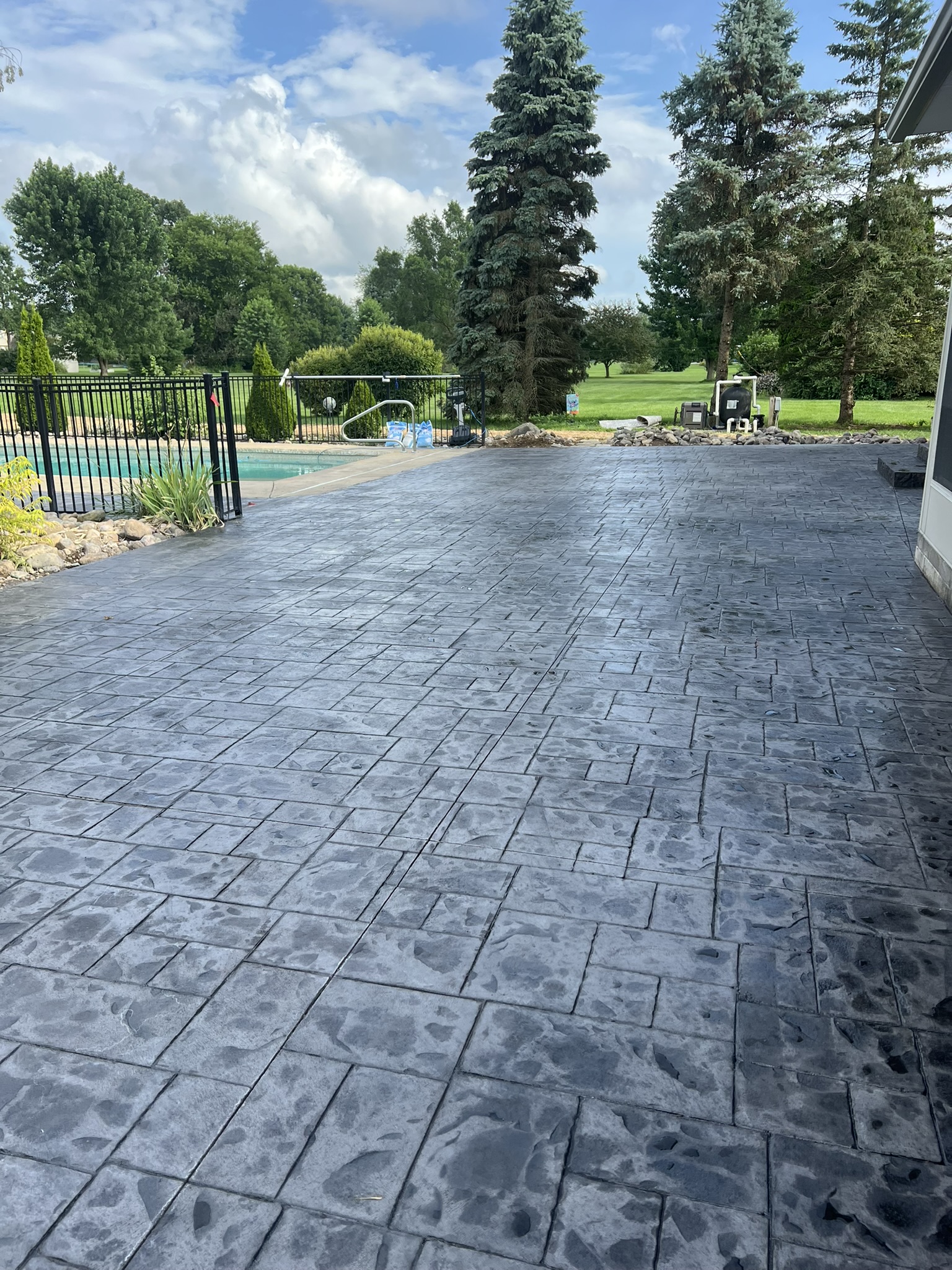
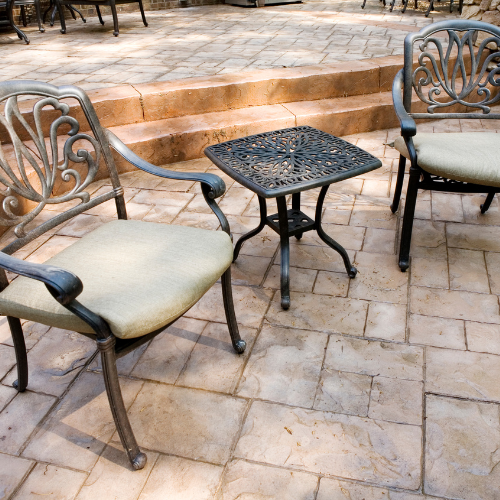
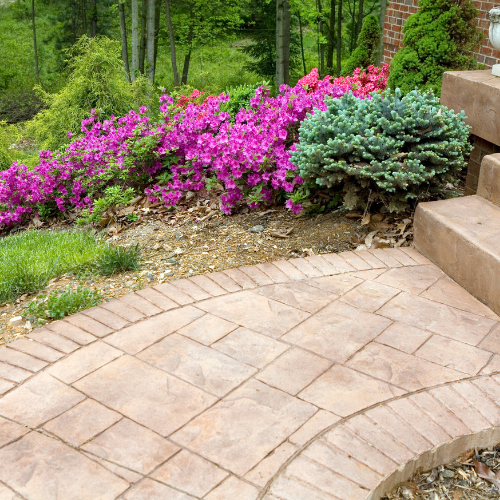
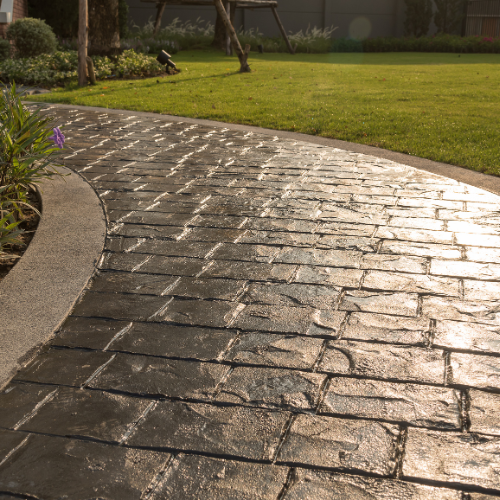
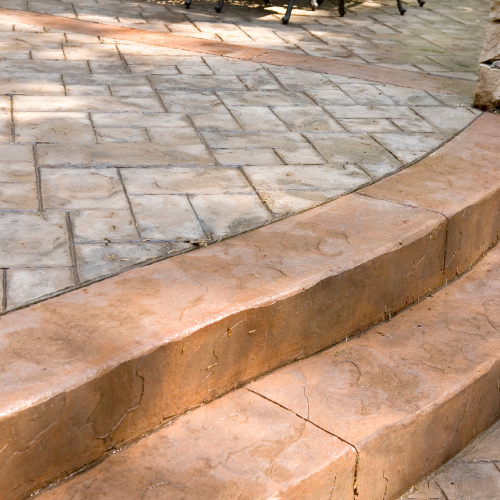
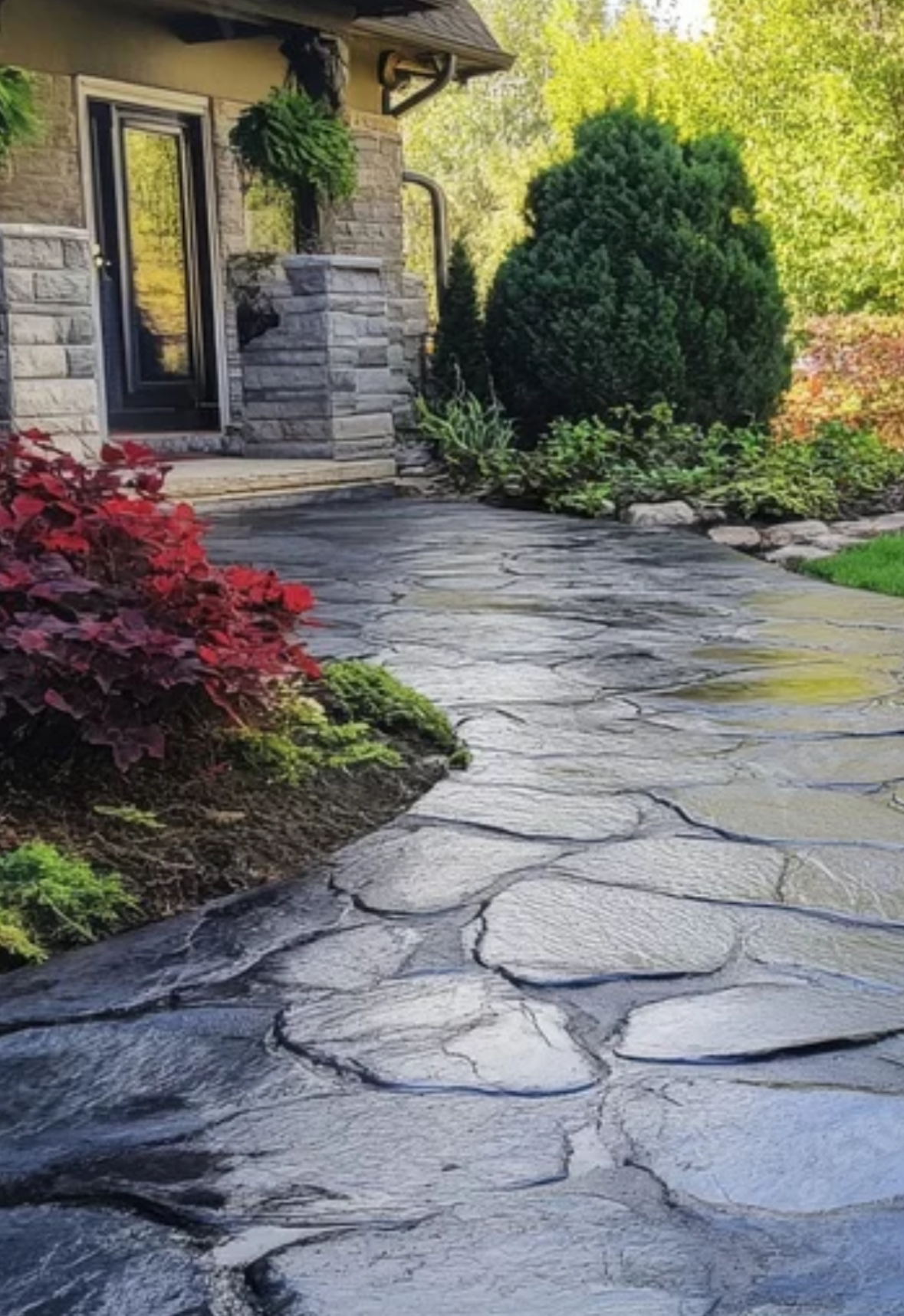
Stamped concrete is a decorative technique that transforms ordinary concrete into visually engaging surfaces that mimic materials like natural stone, brick, slate, or even wood and tile

Why Exposed Aggregate is Perfect for Your Concrete Solutions?
Exposed aggregate concrete is a decorative and rugged surface finish achieved by removing the top layer of cement paste after the concrete is laid, thereby revealing the embedded aggregates—such as pebbles, gravel, natural stones, or even glass and shells. This treatment creates a textured appearance with rich visual depth, as the color, size, and variety of the aggregates contribute significantly to the overall aesthetic.
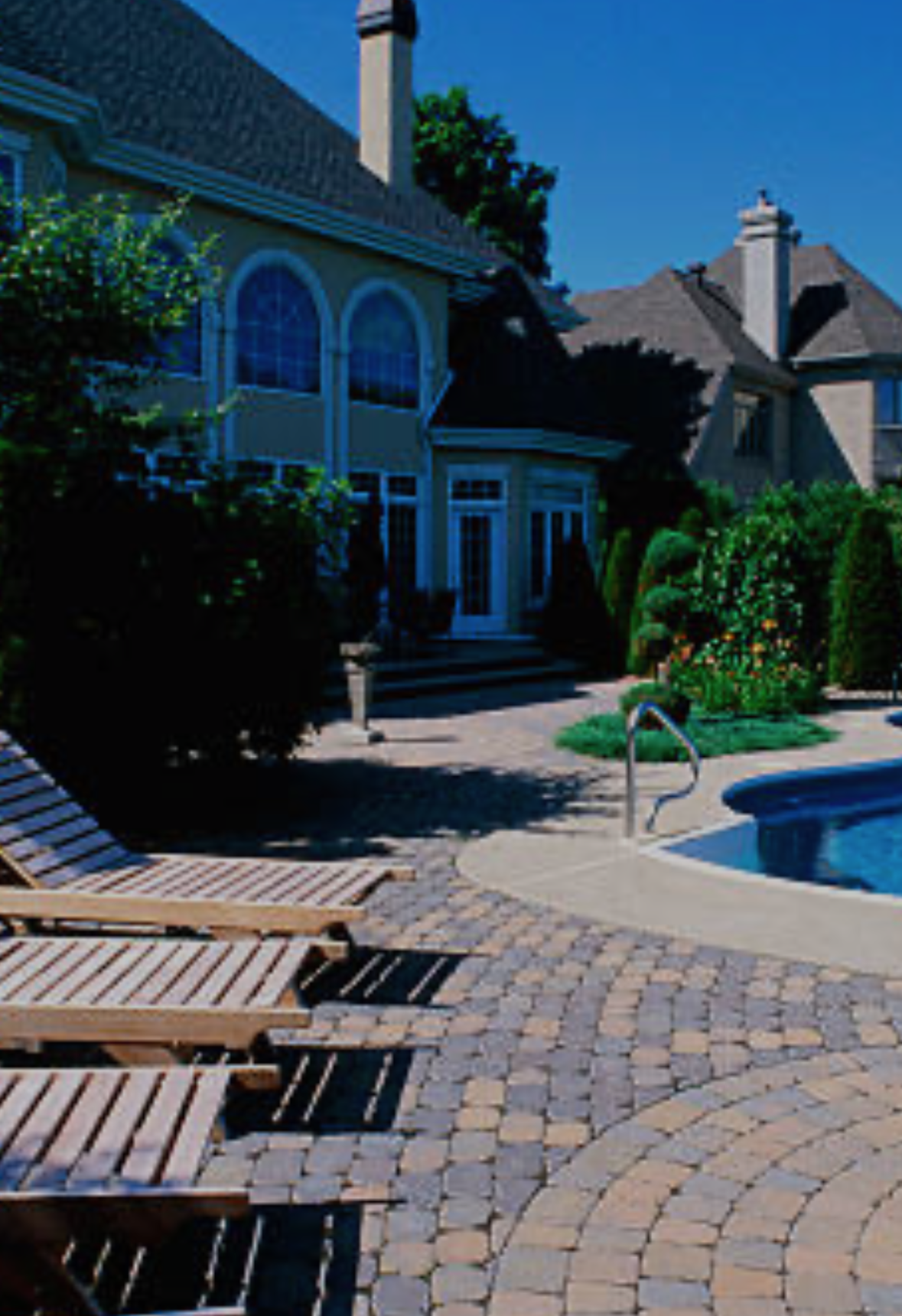
One of the standout features of this finish is its excellent durability. The embedded aggregates make the surface highly resistant to wear, heavy foot and vehicle traffic, as well as harsh weather conditions, making it well-suited for driveways, patios, sidewalks, pool decks, and commercial walkways. Additionally, the rough, textured surface offers enhanced traction, reducing slip hazards—an advantage particularly appreciated around pool areas or during wet weather.
LEARN MORE
Why Stamped Concrete is Perfect for Your Concrete Solutions?
When it comes to upgrading outdoor spaces, stamped concrete stands out as one of the most versatile and cost-effective solutions available. It combines the durability of traditional concrete with the ability to mimic the look of high-end materials such as natural stone, brick, or slate. This makes it an ideal choice for homeowners and property owners looking to achieve a custom, polished appearance without the higher cost or upkeep.
One of the biggest advantages of stamped concrete is its versatility. It can be used to enhance patios, driveways, walkways, pool decks, and more. With a wide range of patterns, colors, and textures to choose from, stamped concrete can be tailored to match nearly any style, from modern to rustic. This flexibility allows property owners to create a unique look that complements their home’s exterior or landscape design.
Stamped concrete is not just about appearance—it’s built to last. When properly installed and sealed, it provides excellent resistance to weather, stains, and heavy foot or vehicle traffic. Unlike individual pavers or stone, there are no gaps for weeds to grow through, and maintenance is minimal compared to other decorative surfaces.
Choosing stamped concrete means you don’t have to compromise between beauty and practicality. It delivers the strength and longevity of concrete while giving you the design freedom to create an eye-catching space that boosts curb appeal and property value.
LEARN MORE

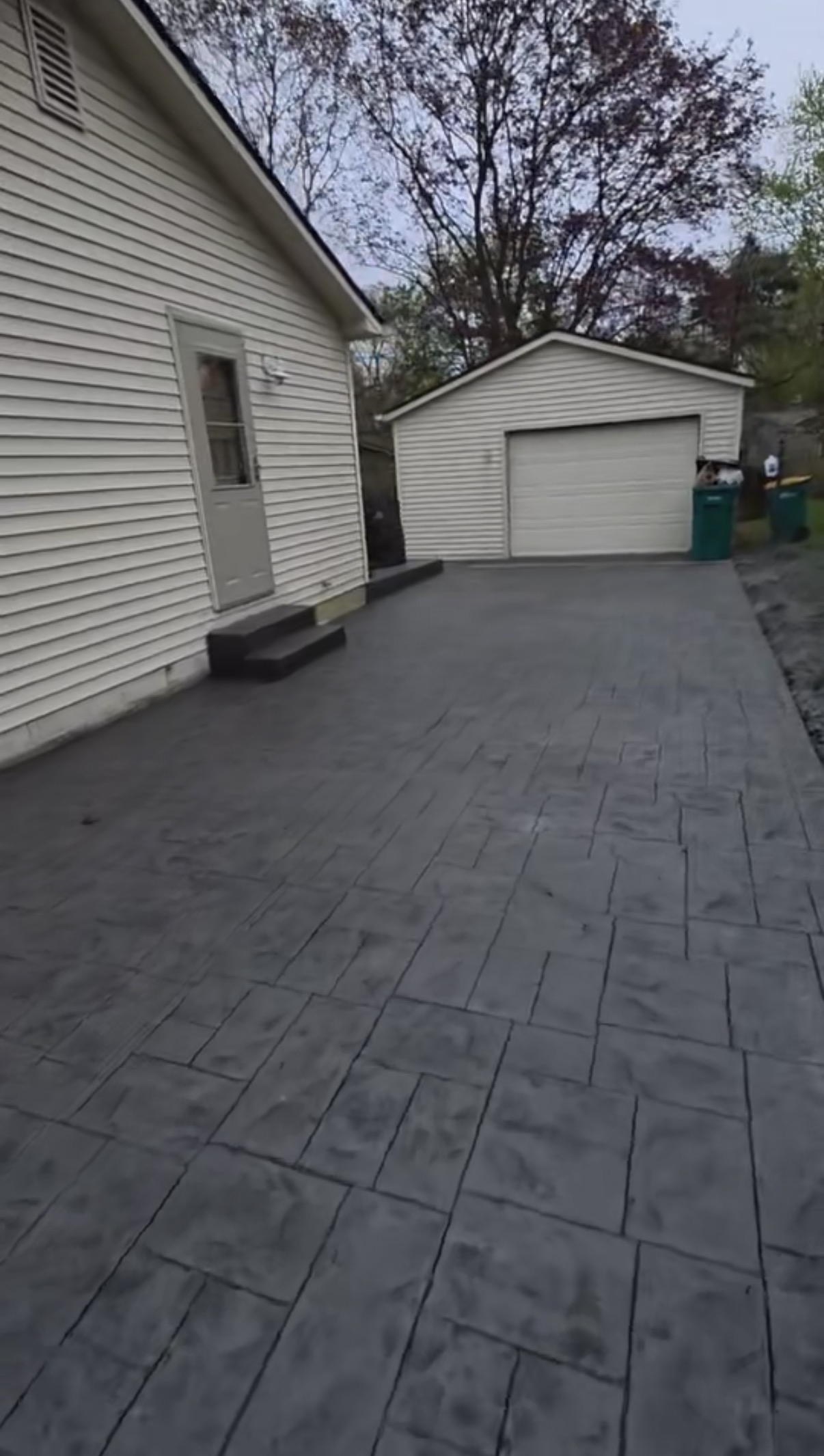
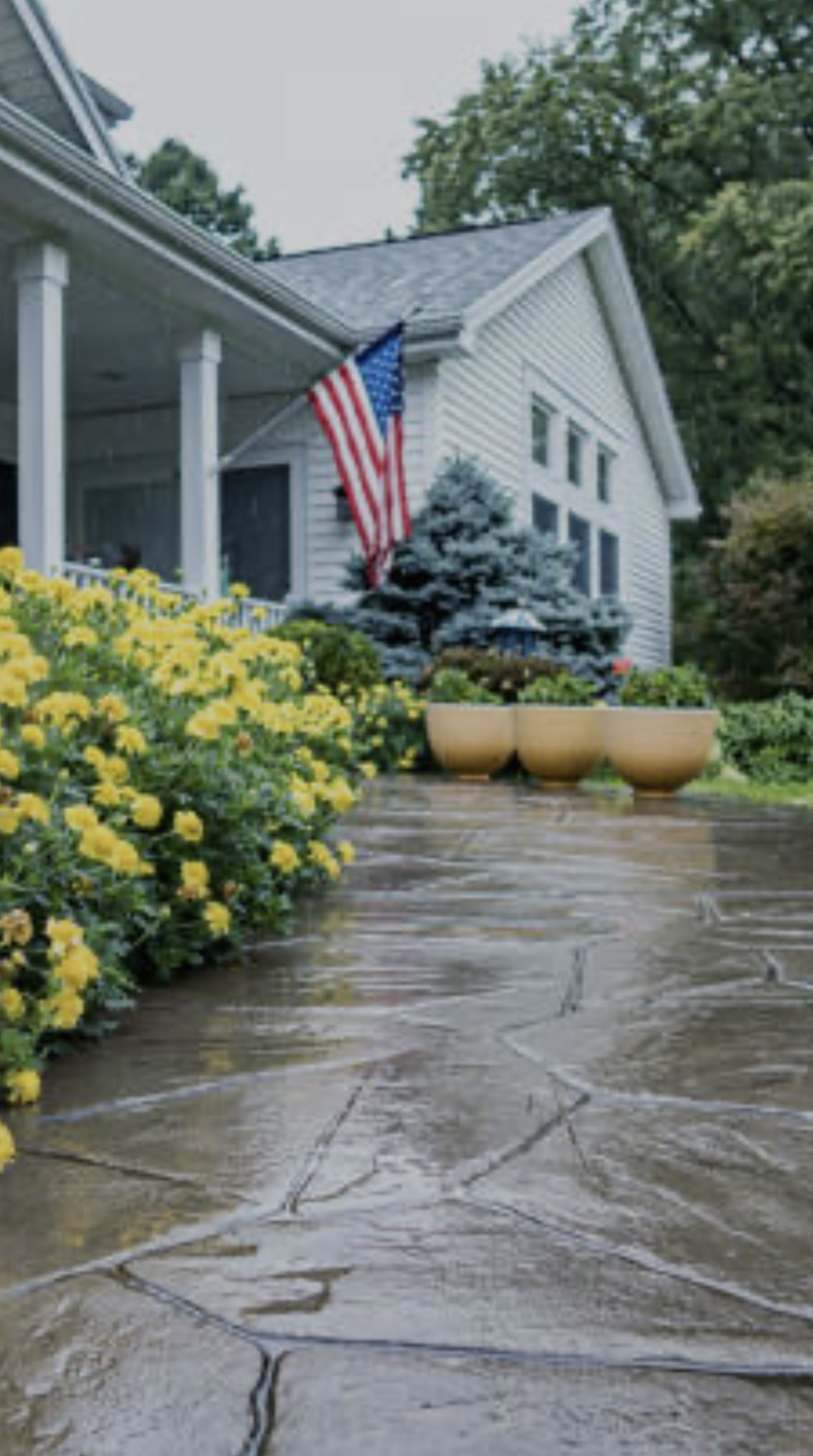
Benefits of a Concrete Driveway
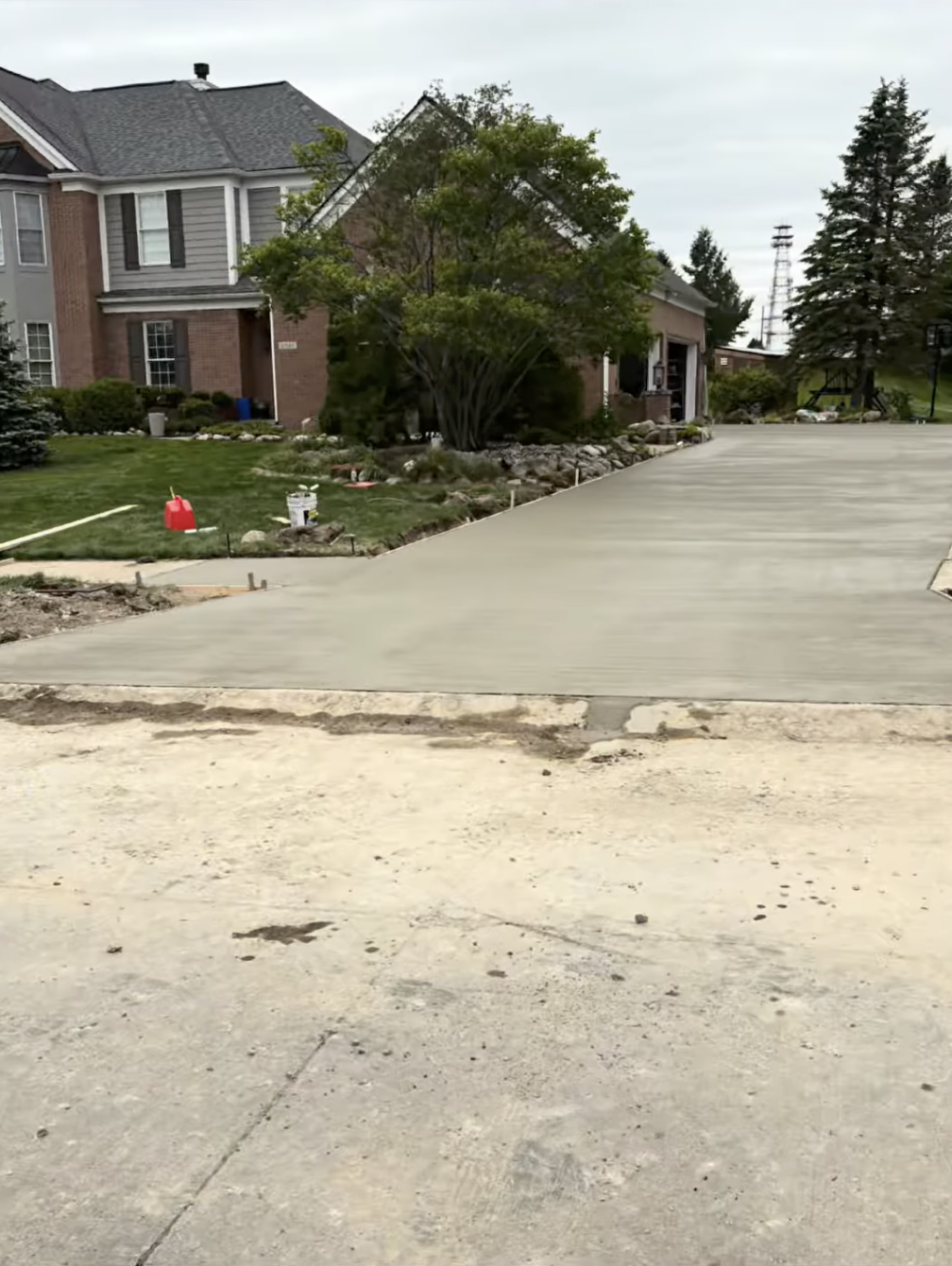
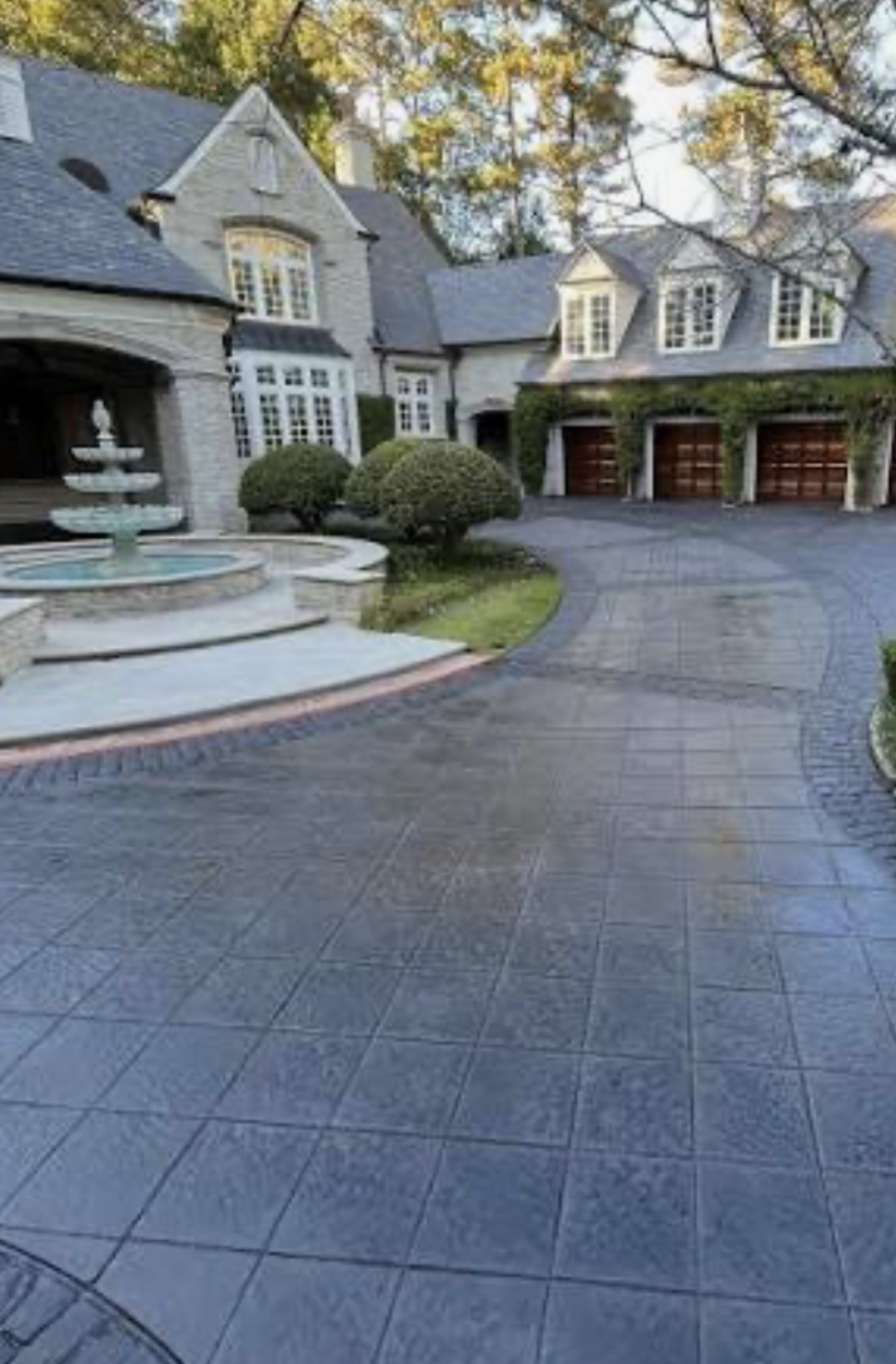
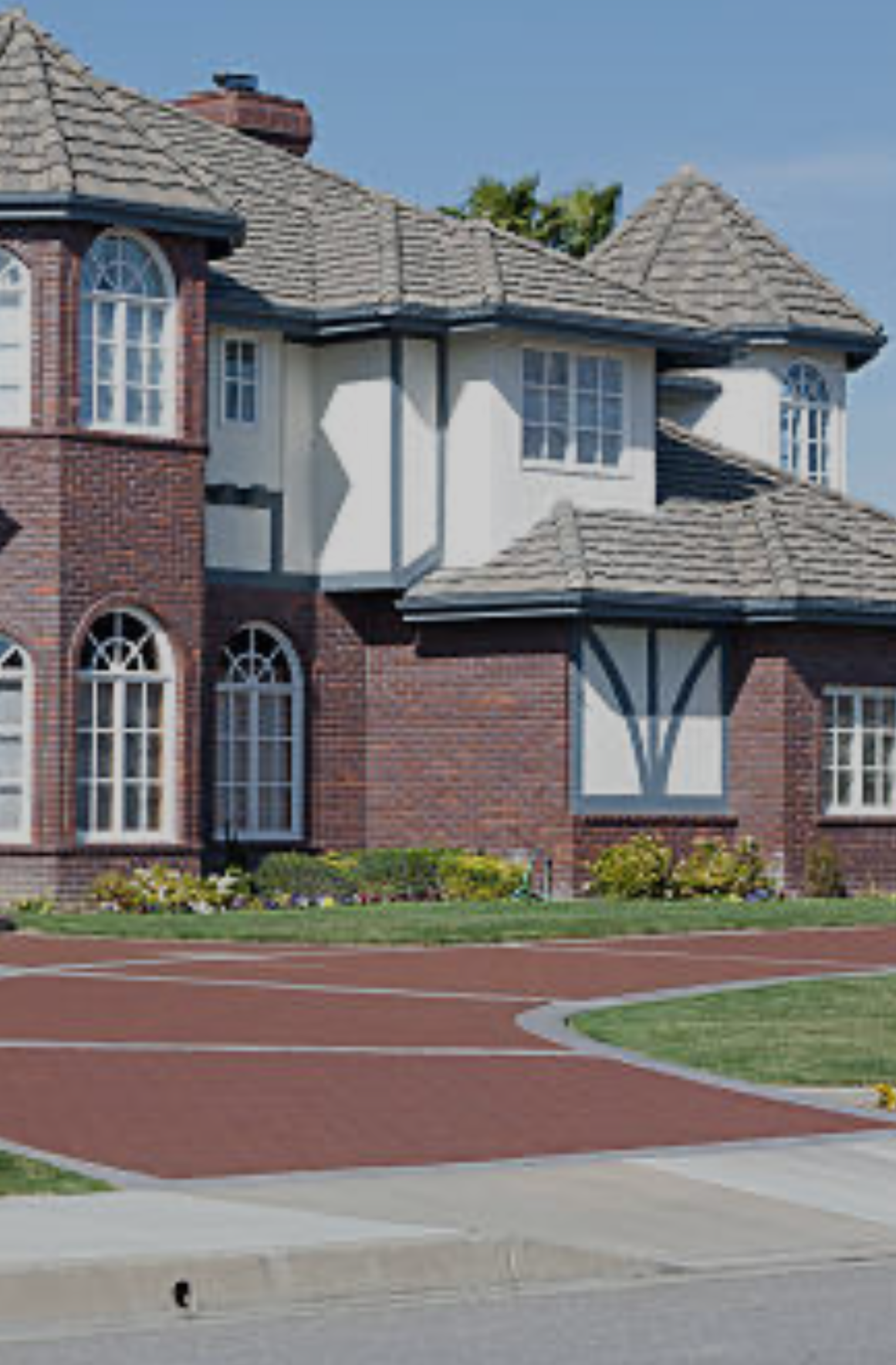
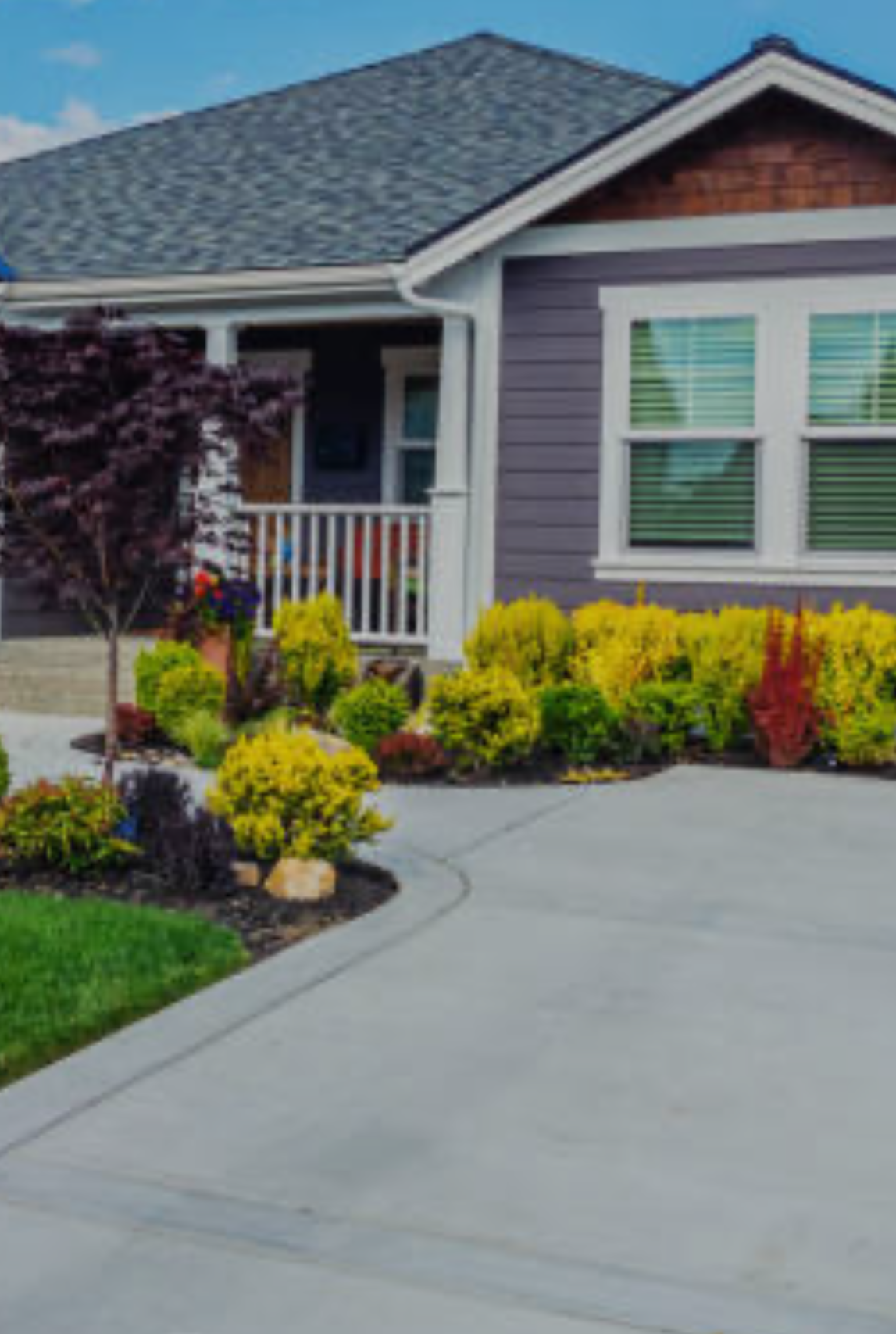
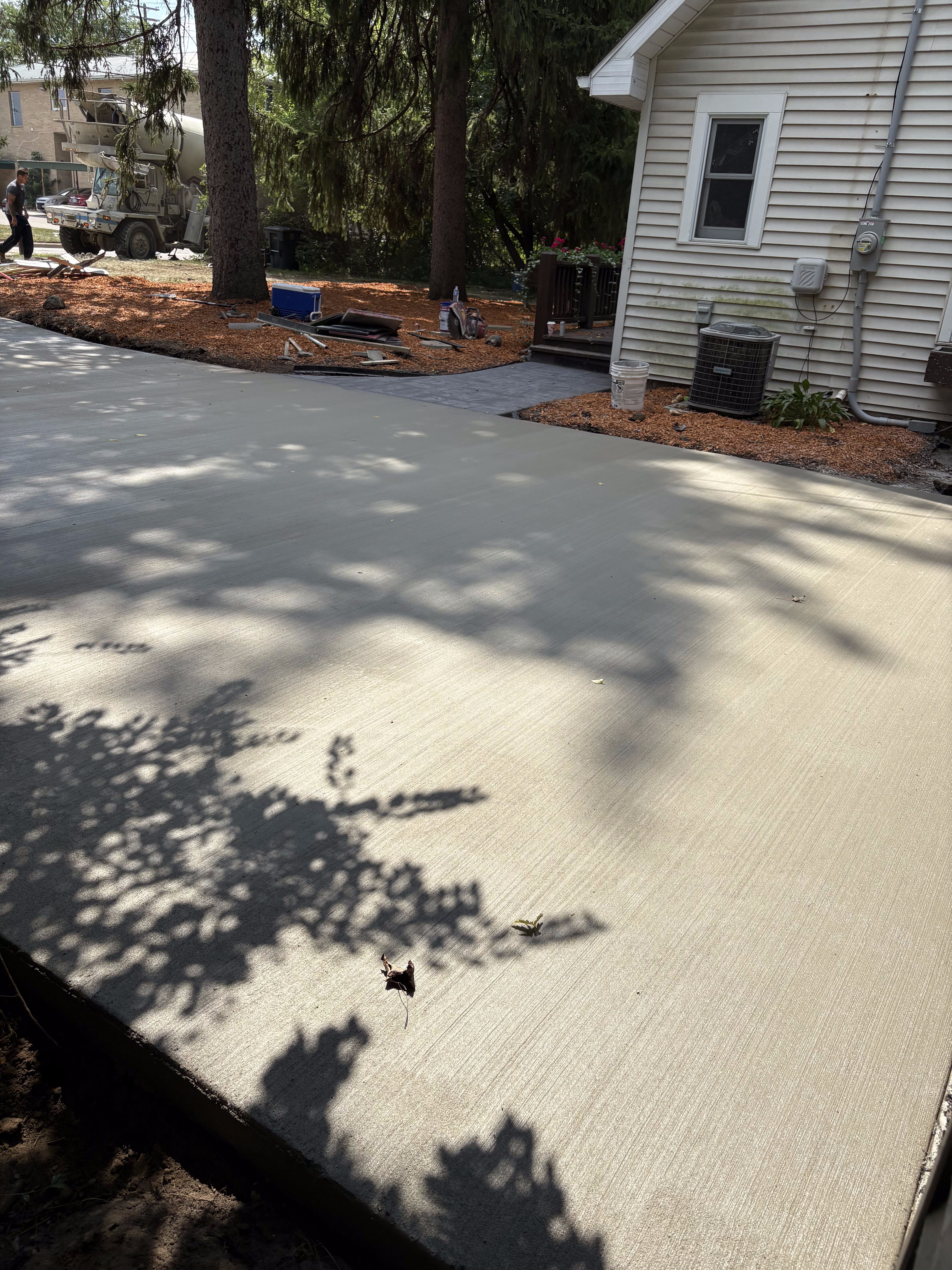
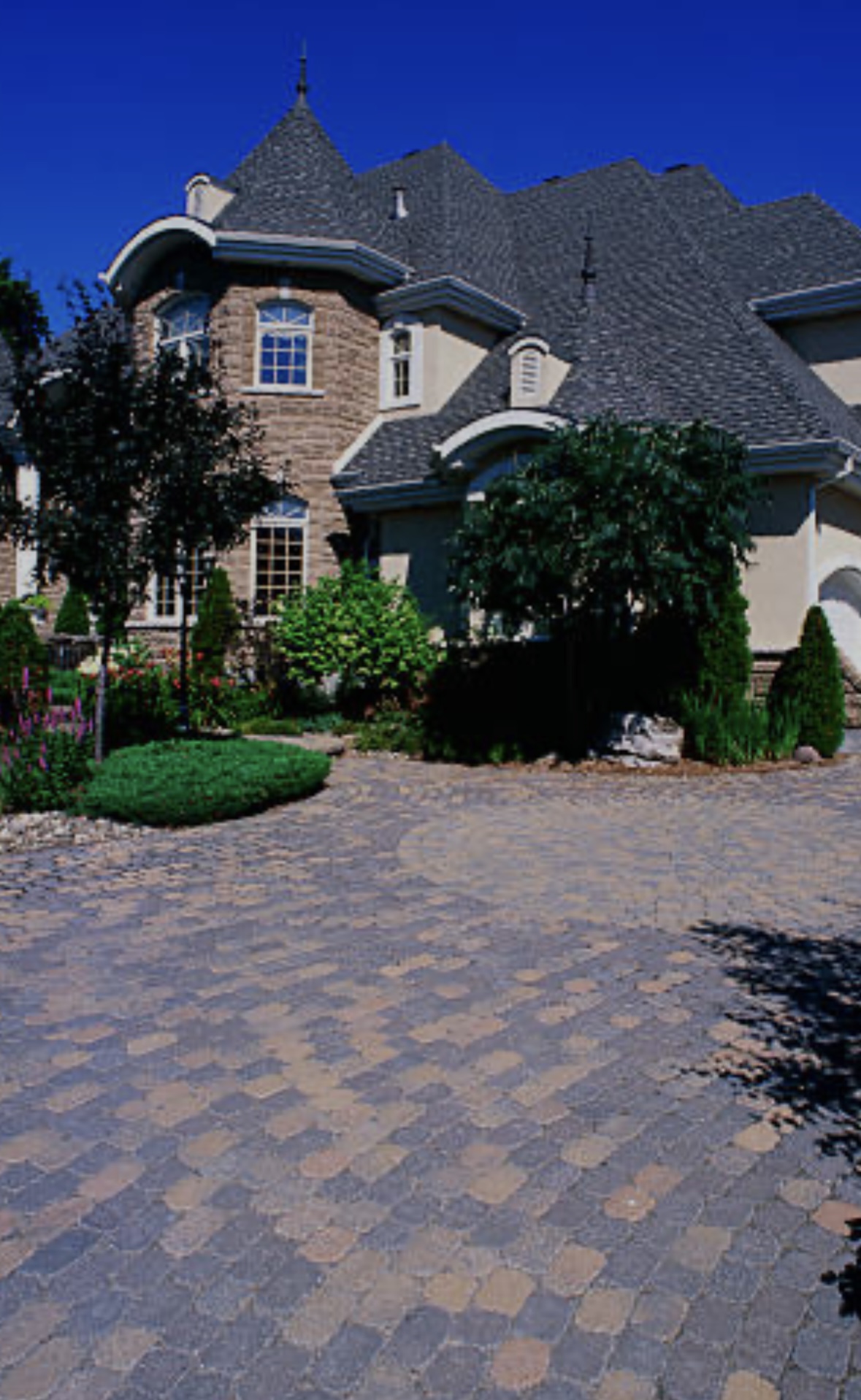
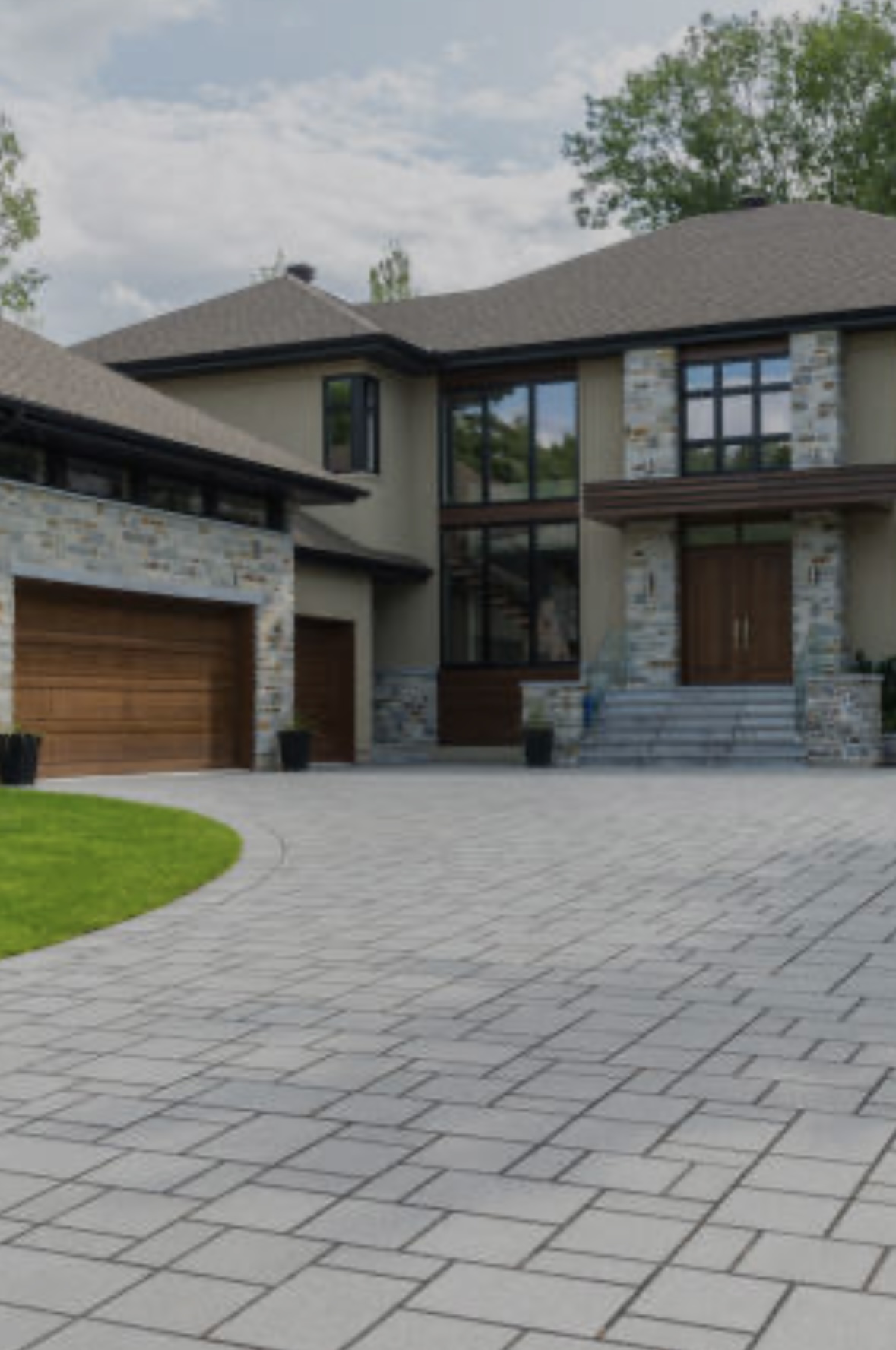
Concrete driveways are a widely embraced choice for homeowners seeking a blend of durability, aesthetic appeal, and long-term value. When correctly executed with proper subgrade preparation, reinforcement, and curing, a concrete driveway can endure heavy loads and resist wear for decades—many well-installed examples have lifespans ranging from 25 to 50 years.
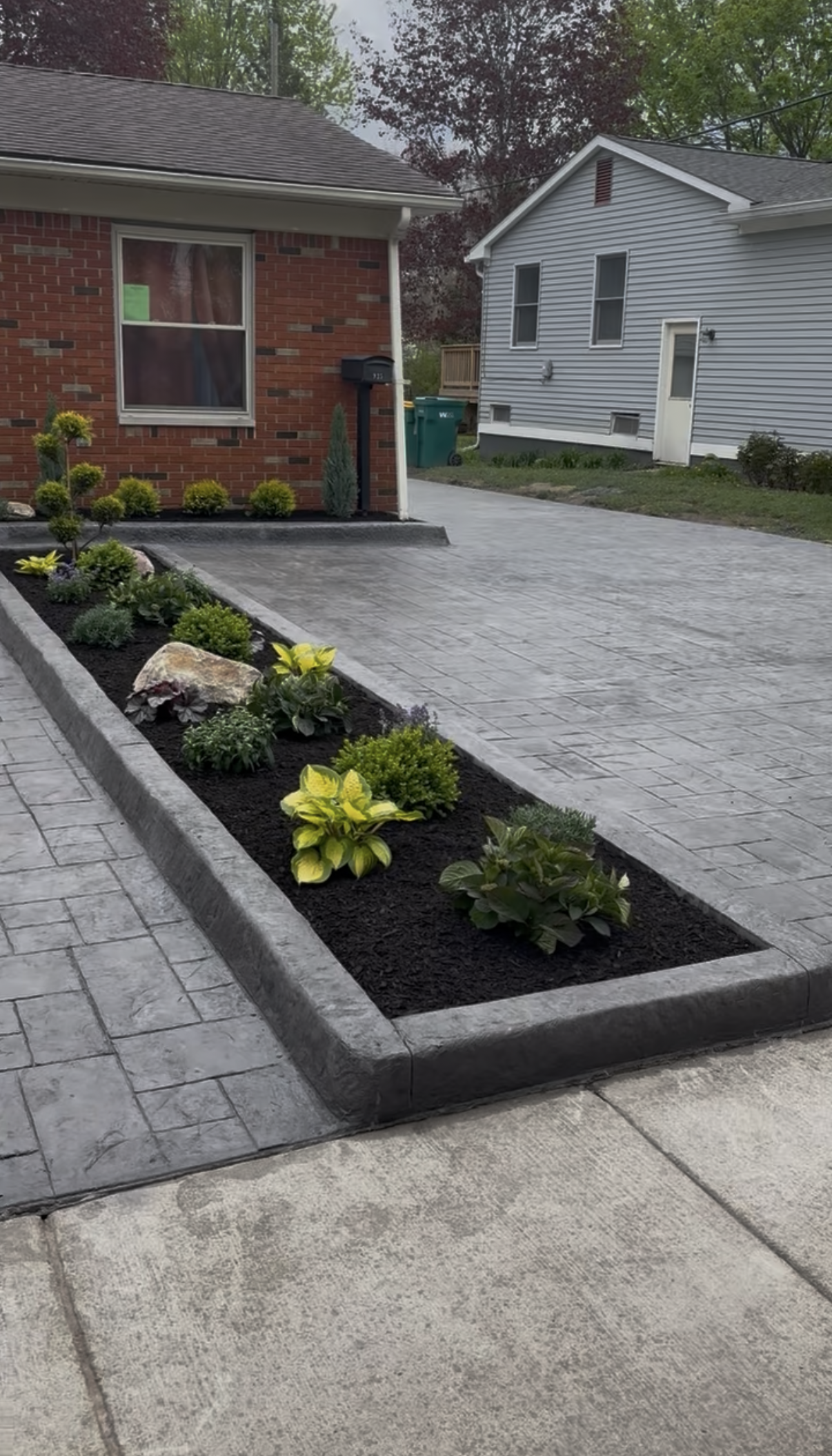
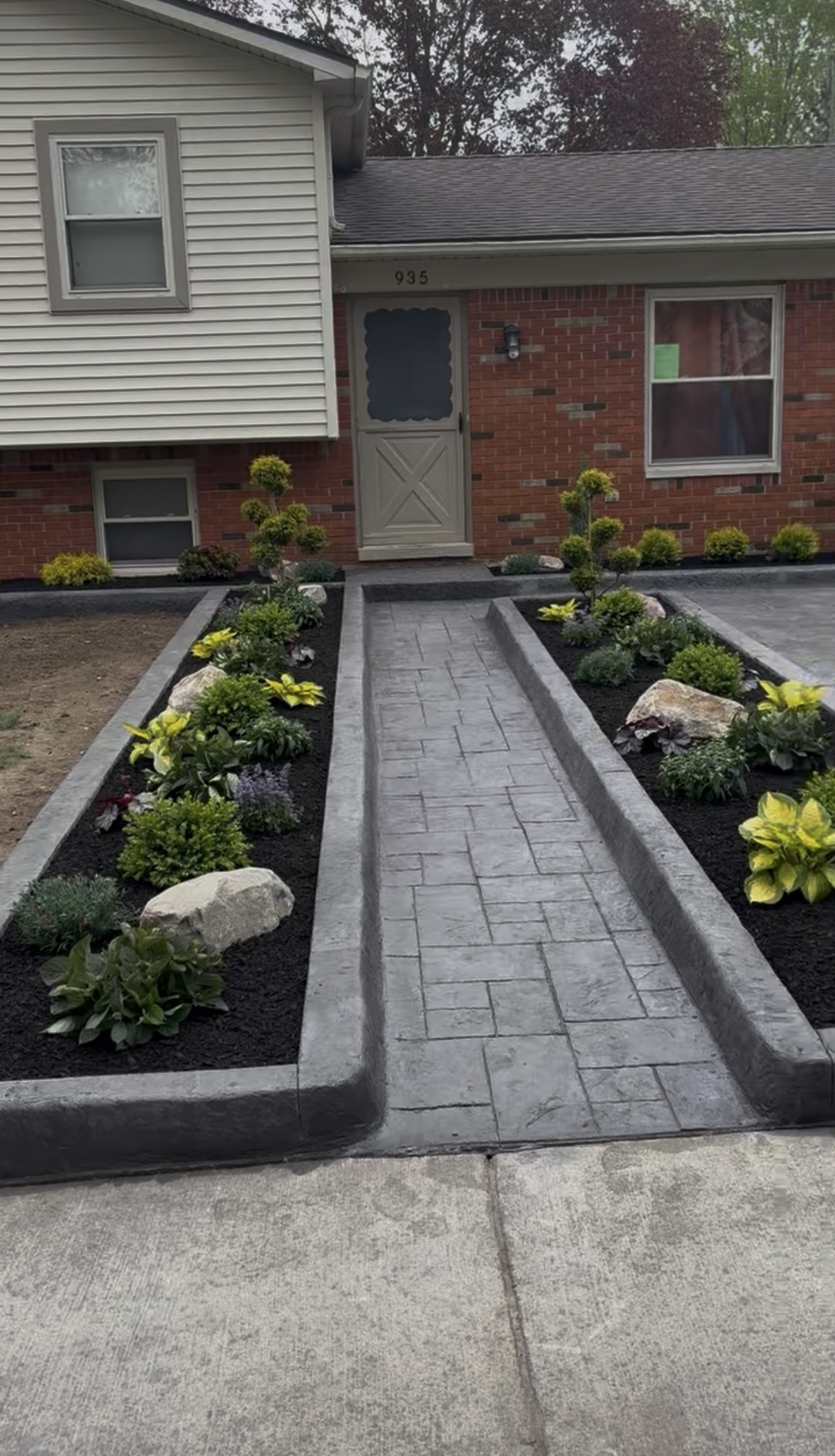
Maintenance demands are relatively modest, typically involving periodic cleaning and sealing every few years to preserve appearance, prevent stains, and protect against environmental factors such as freeze‑thaw cycles. A key attraction of concrete driveways lies in their versatility. Whether left as classic gray slab or enhanced with stamping, staining, coloring, or textured finishes, concrete can mimic materials like stone, brick, or tile and harmonize with a wide array of architectural styles.
LEARN MORE
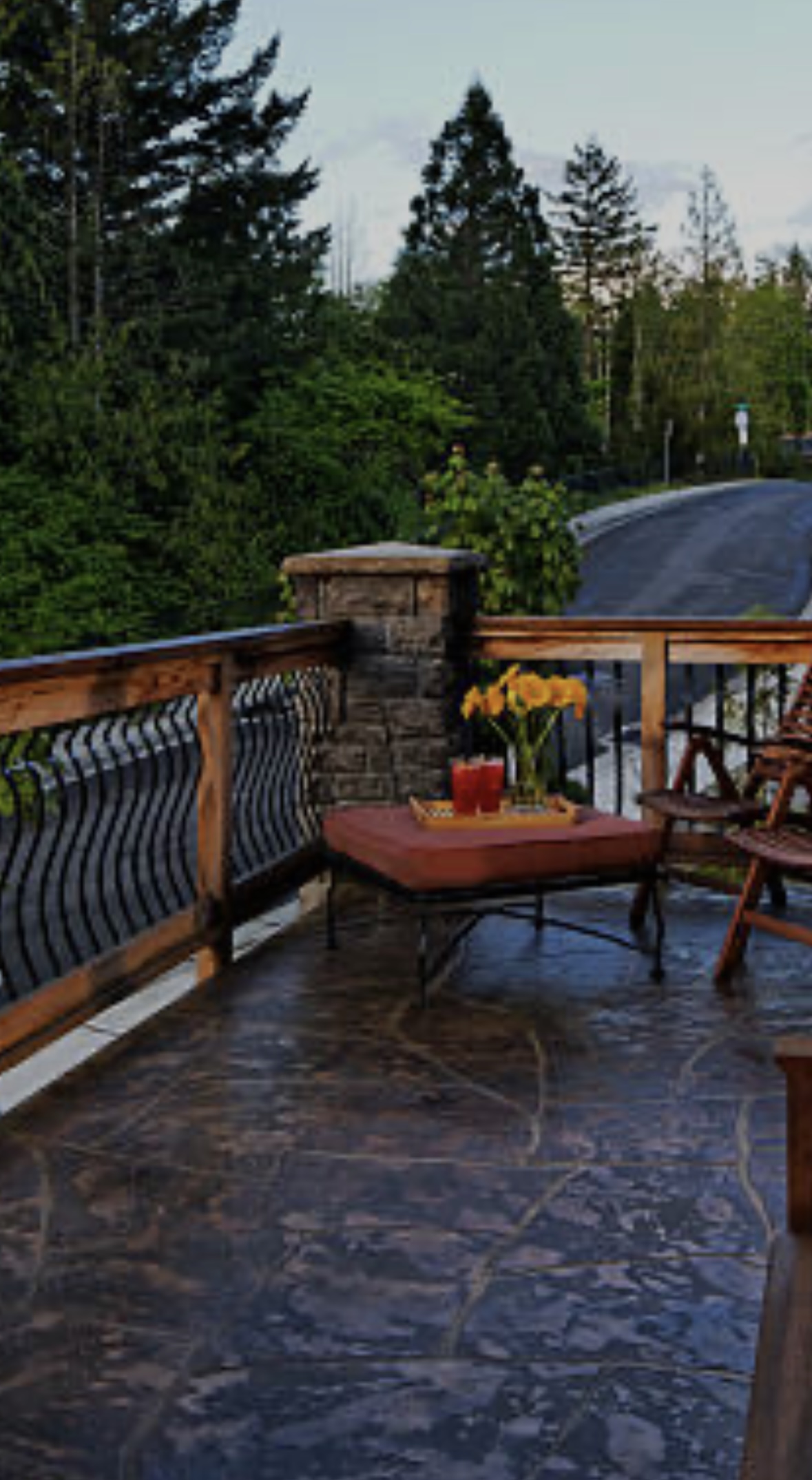
Redesign Your Patio with our Concrete Experts
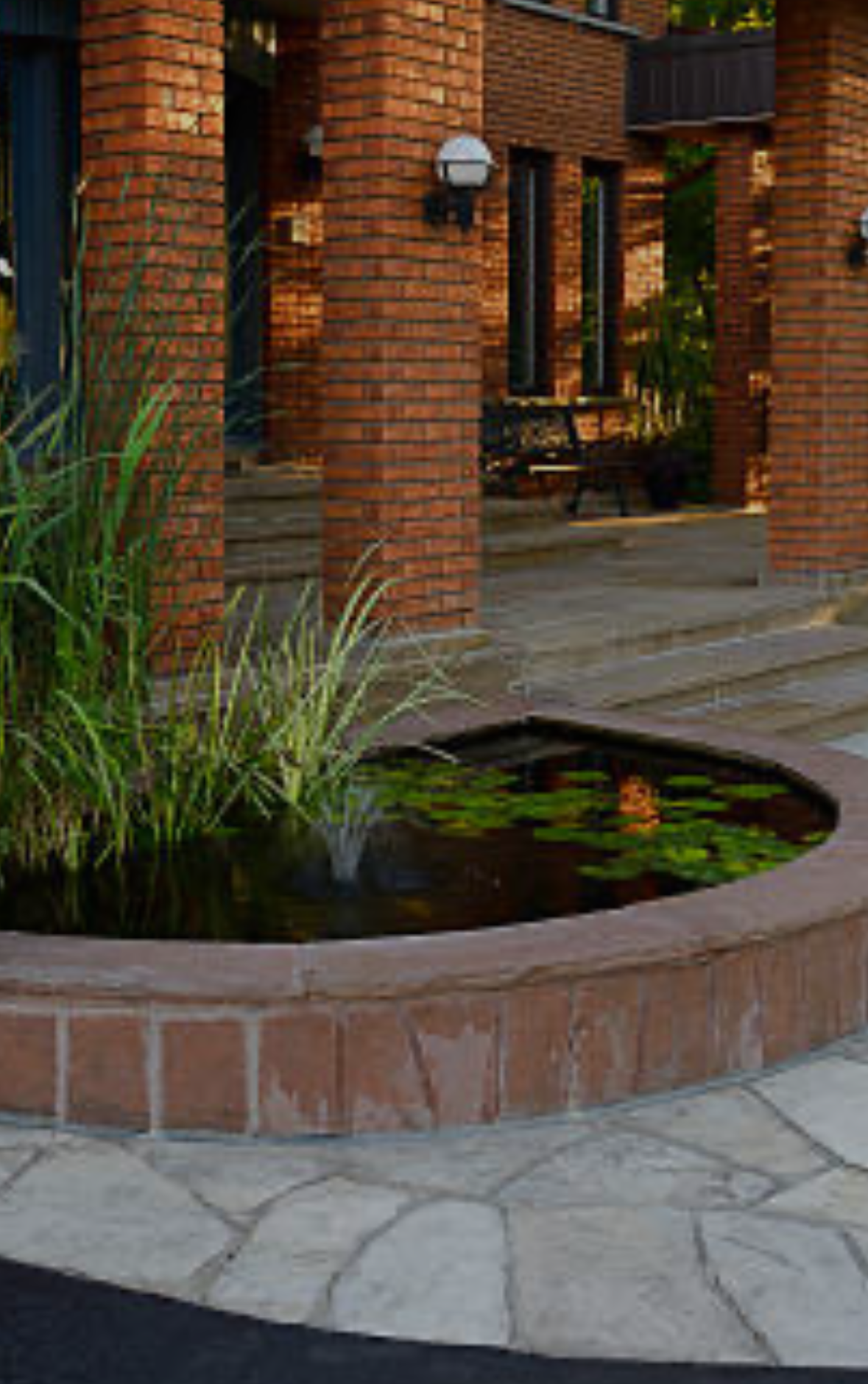
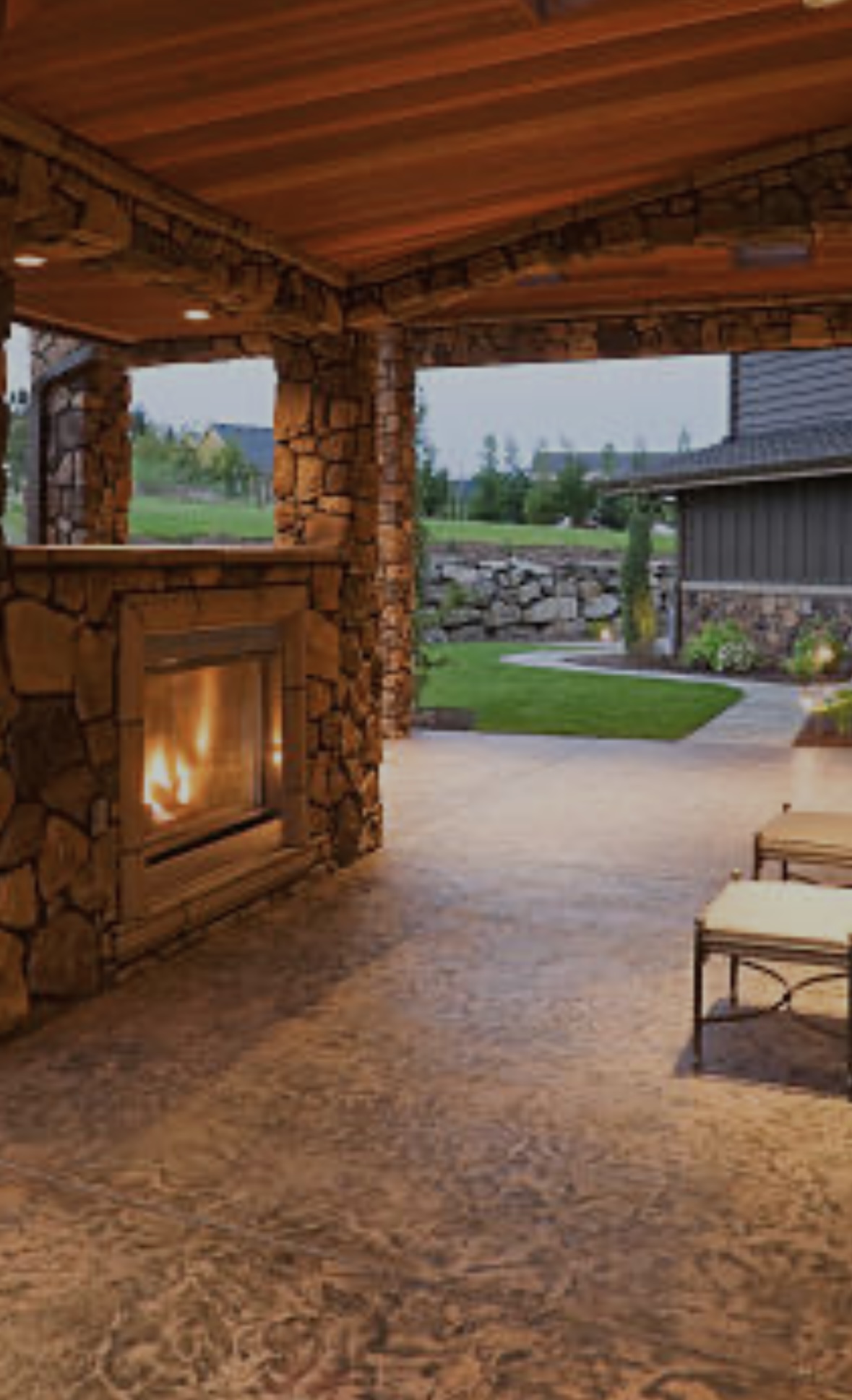
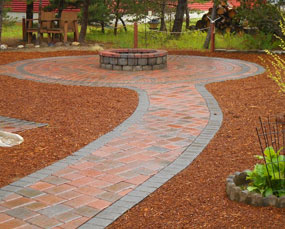
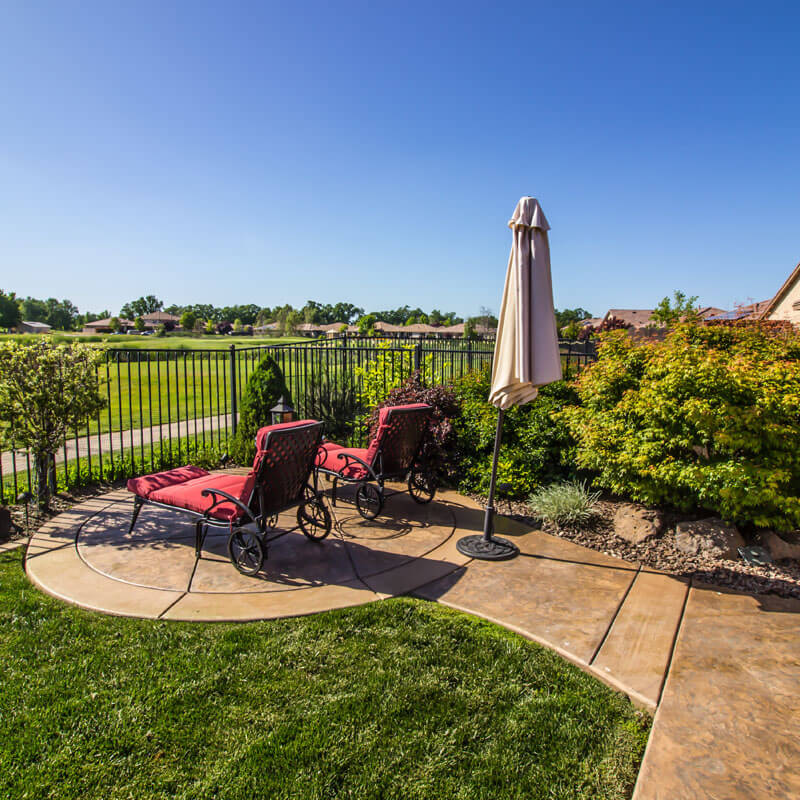
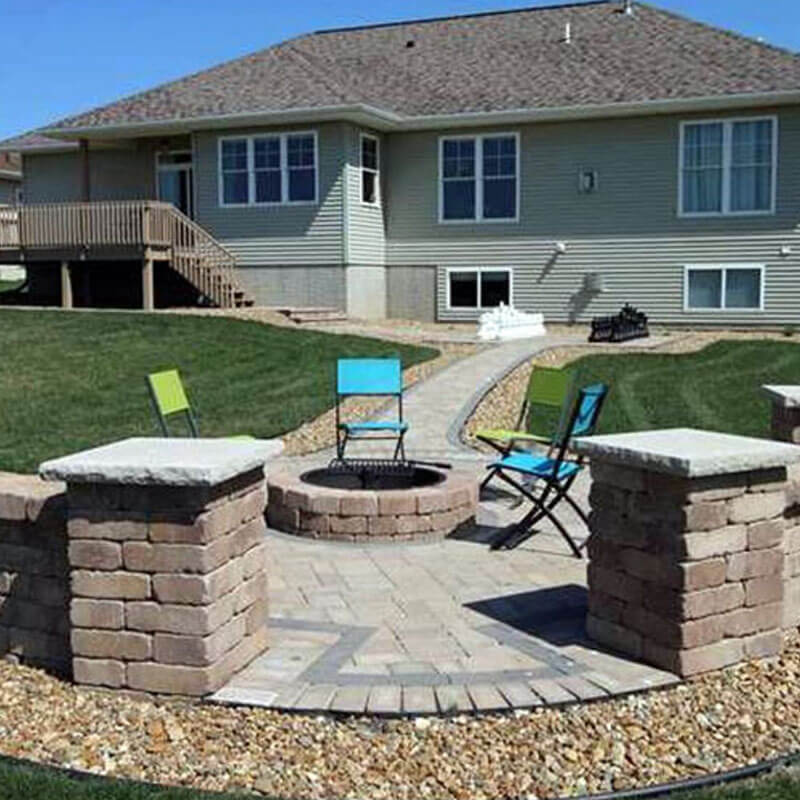
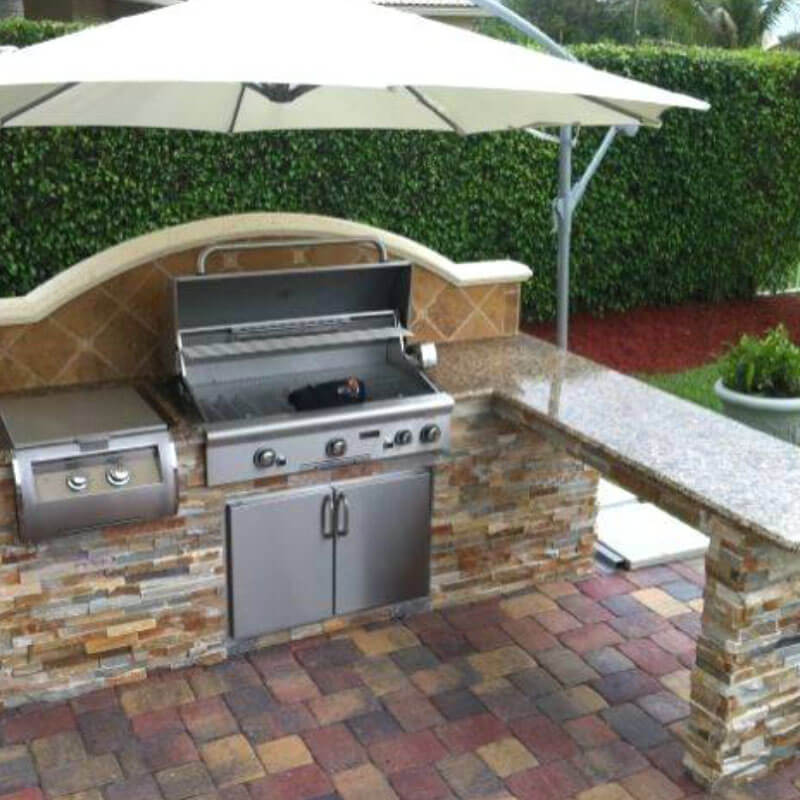
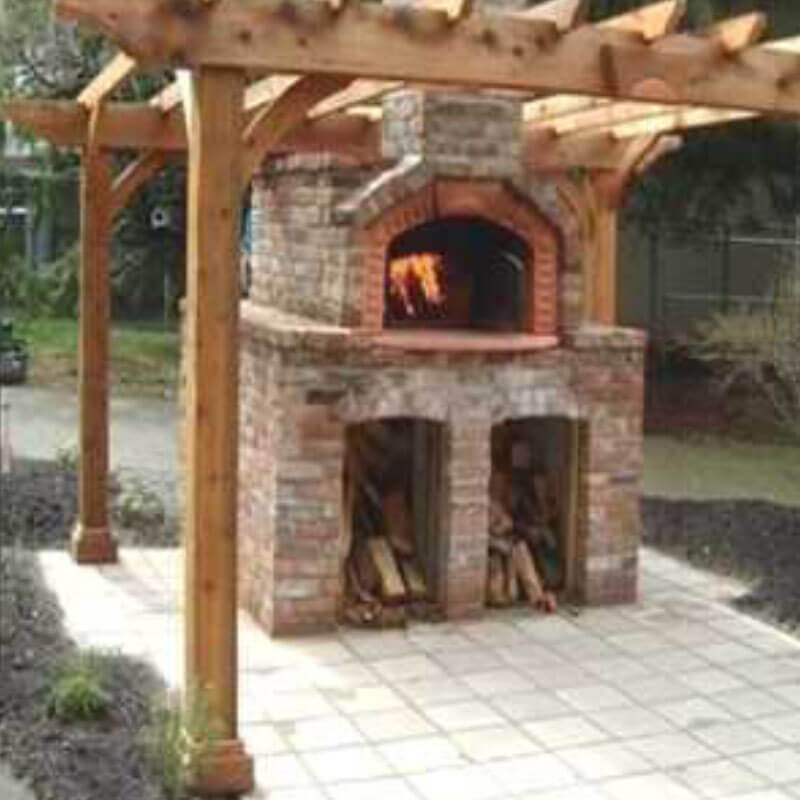
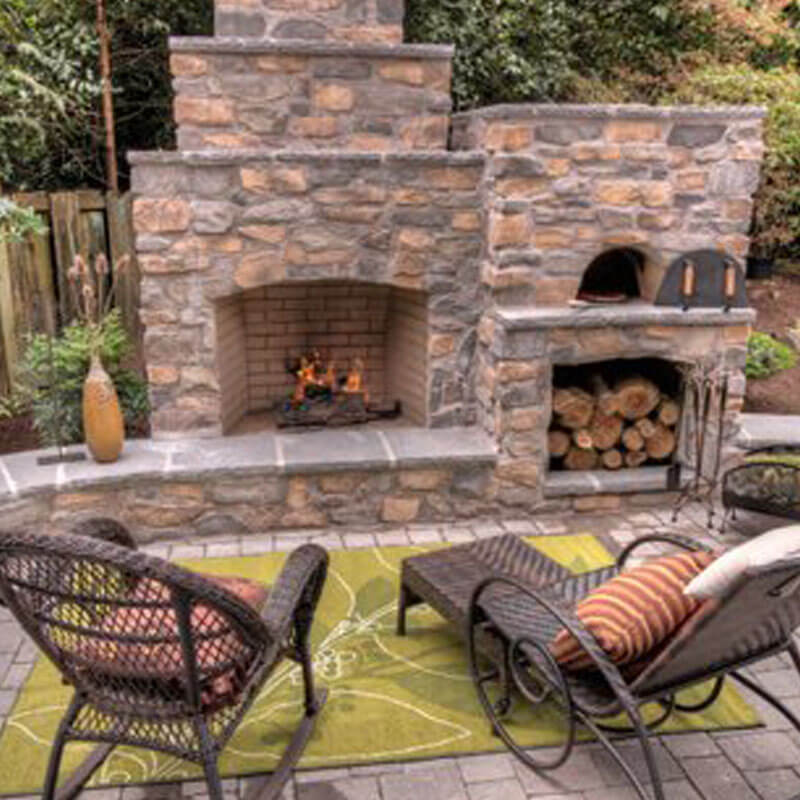
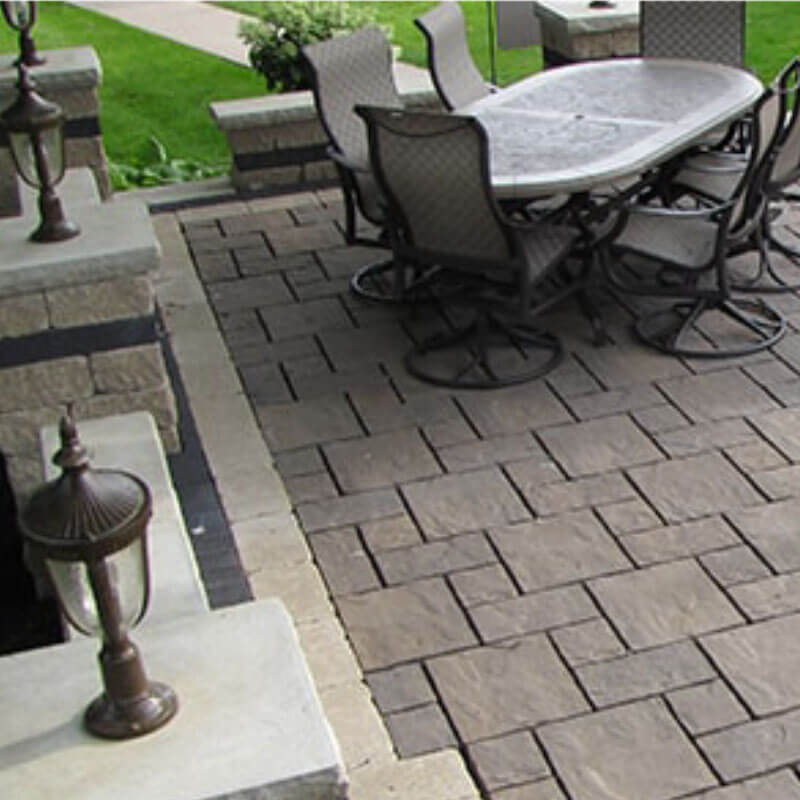
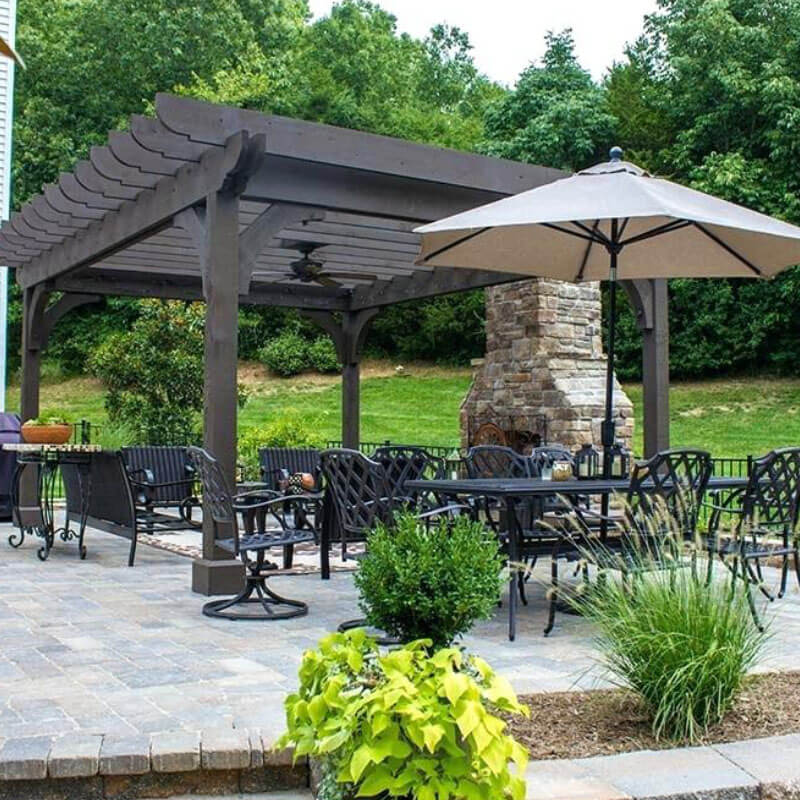
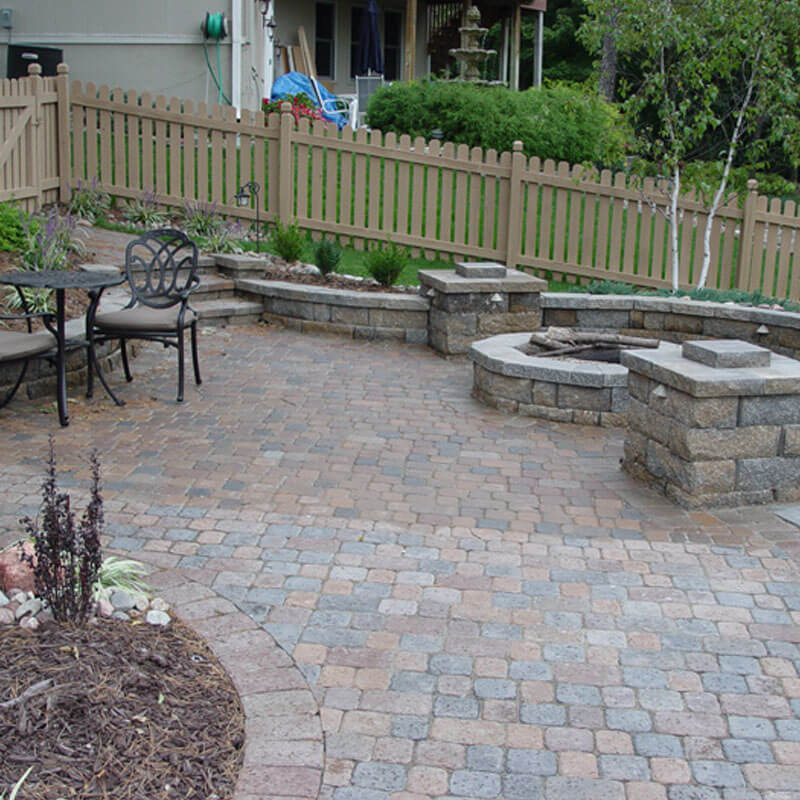
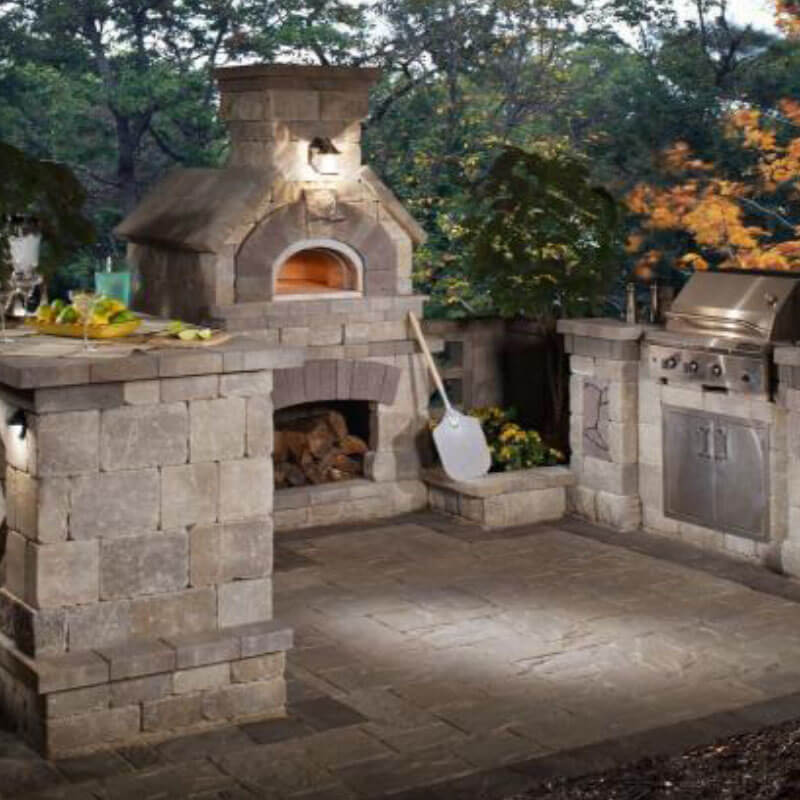
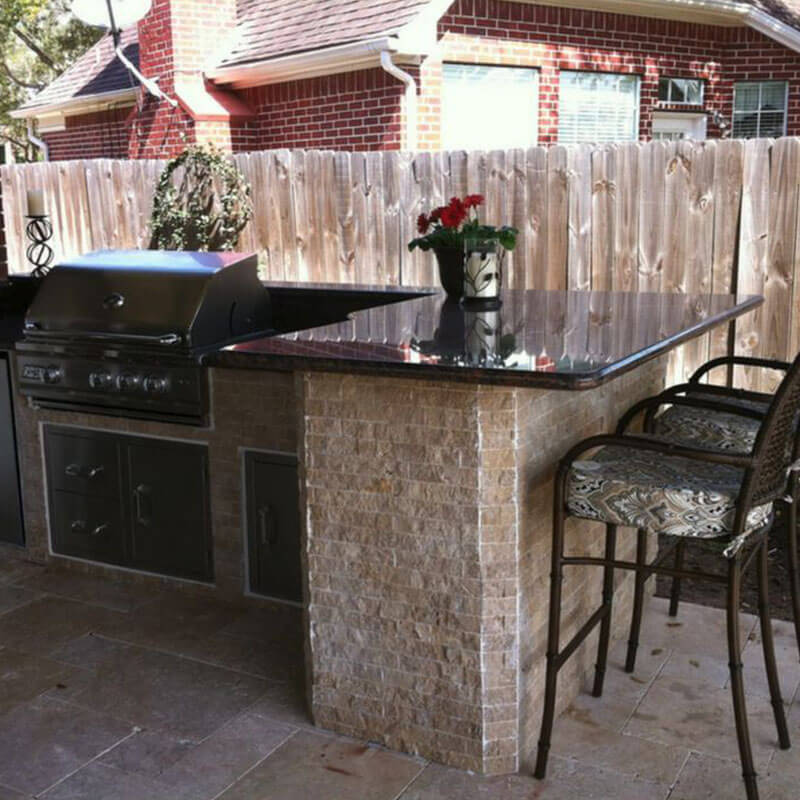
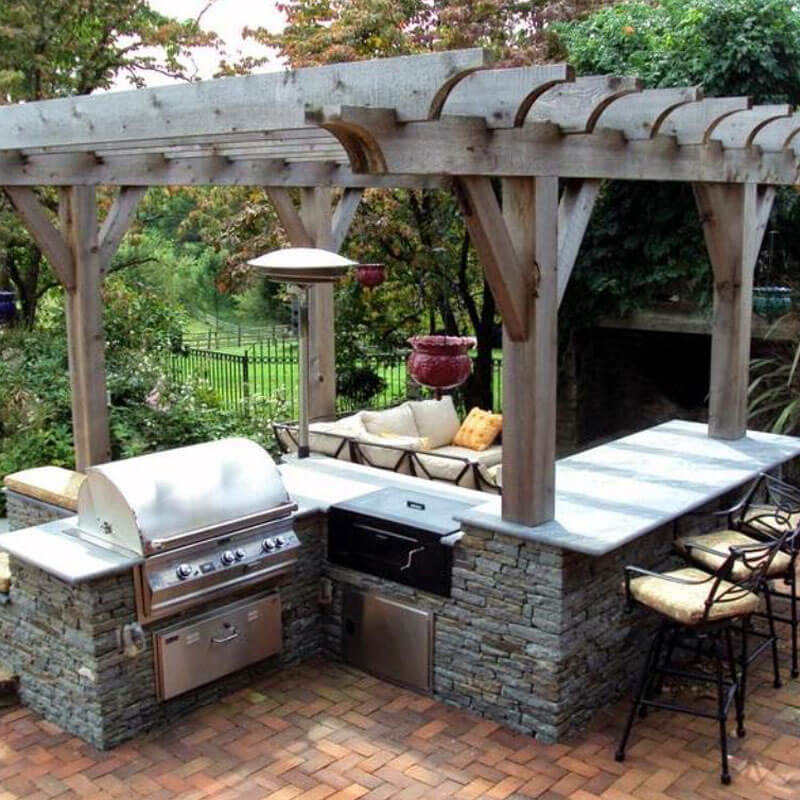
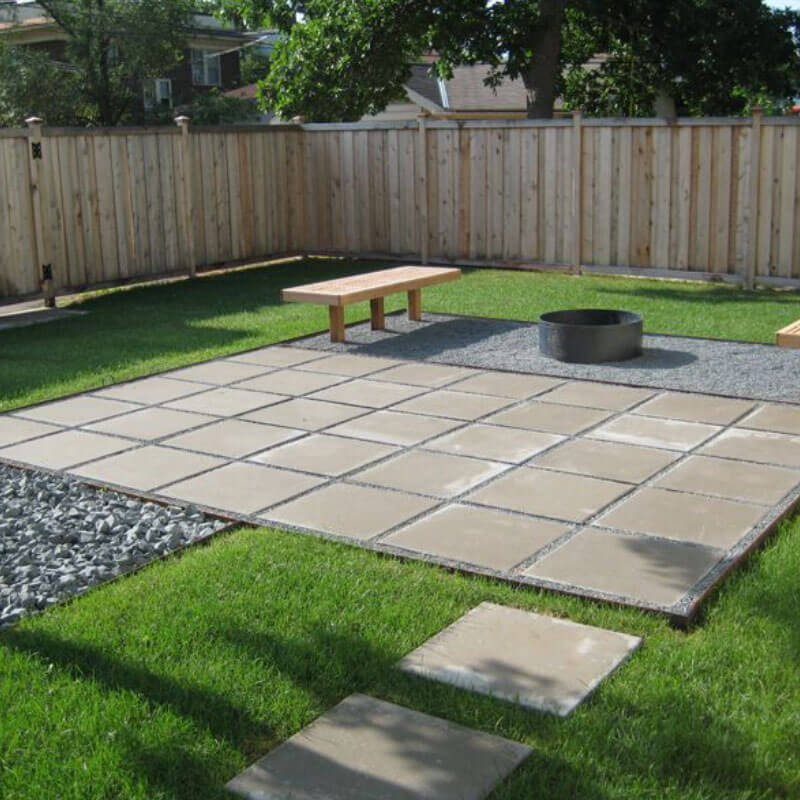
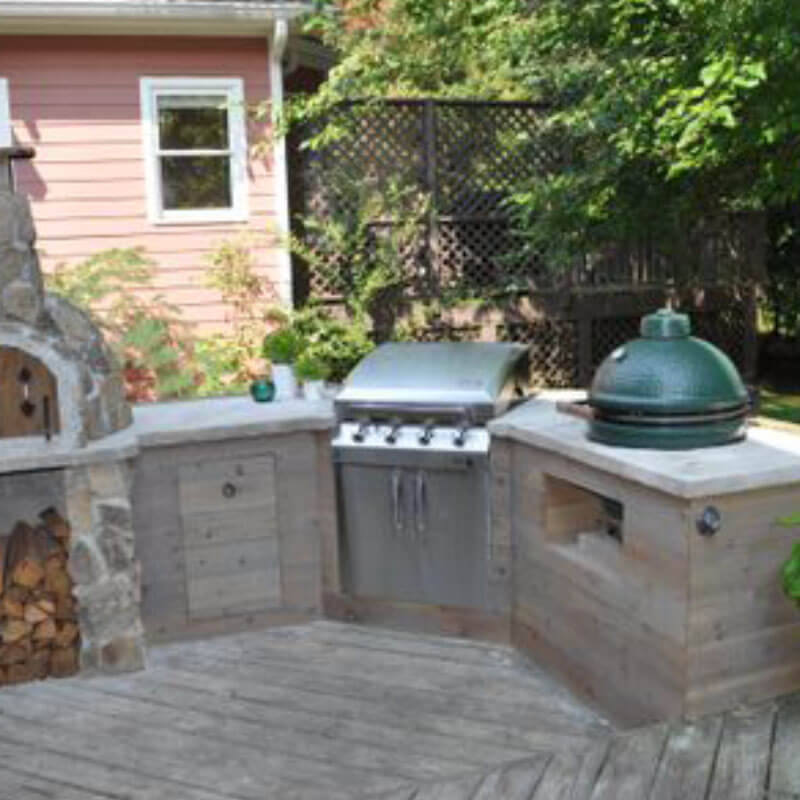
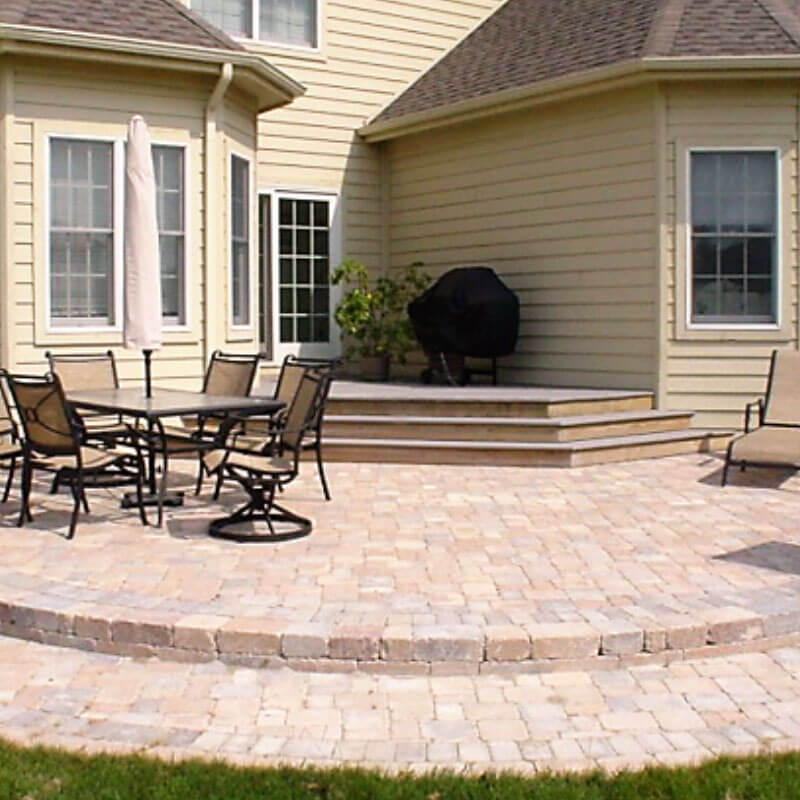
Our patio builders can skillfully maximize your available space to allow for features like firepits and outdoor kitchens or barbeque. Custom patios can fit very well as an outdoor living space in combination with a deck, porch, or pool naturally highlighting your landscaping.
We are Michigan licensed and insured patio contractors. A complete outdoor solutions company specializing in the design, installation, and maintenance of quality landscapes for both residential properties.
LEARN MORE
Common Concrete Questions
How long should I wait before driving on a new concrete driveway?
You can safely walk on the surface after 48 hours. We advise waiting at least seven days before driving a standard passenger car onto the slab. Heavy vehicles or moving trucks should wait 28 days for the material to fully cure.
Do you handle the excavation before pouring?
Yes. We manage the site development from start to finish. Our crews handle the grading and theremoval of old materials to create a solid foundation for the new hardscape.
Will a stamped surface be slippery when wet?
We mix an anti-slip additive directly into the final sealant. This provides traction for areas like pool decks or walkways while maintaining the visual design of the stamped pattern.
Why does concrete crack in Michigan?
The freeze-thaw cycle causes the ground beneath the slab to heave. We reduce this risk by establishing a heavily compacted subgrade and placing control joints that dictate where the material shifts.
How does weather impact project scheduling?
Extreme heat, heavy rain or rapid temperature swings can delay pouring or finishing. Scheduling is adjusted to ensure optimal curing conditions and long-term durability.
Can concrete be poured late in the season?
Yes, but cold-weather pours require additives, insulated blankets and extended curing precautions to prevent early-stage damage.
What sealant is recommended for Michigan climates?
A high-quality penetrating sealer is ideal for resisting moisture and freeze–thaw stress while maintaining a natural finish.
How often should decorative concrete be resealed?
Stamped or colored surfaces typically need resealing every one to two years to preserve color vibrancy and protect against abrasion.
Does drainage affect concrete longevity?
Absolutely. Poor drainage leads to erosion, frost heave and premature cracking. Proper grading and water management are essential.
Can small cracks be repaired without replacing the slab?
Yes. Early intervention with professional crack fillers or joint repair methods can prevent larger structural issues.
Is reinforcement always necessary?
Rebar or mesh reinforcement is recommended for most projects to improve load-bearing strength and reduce long-term cracking.
Looking for Inspiration?
Explore Our Concrete Work
Loading...